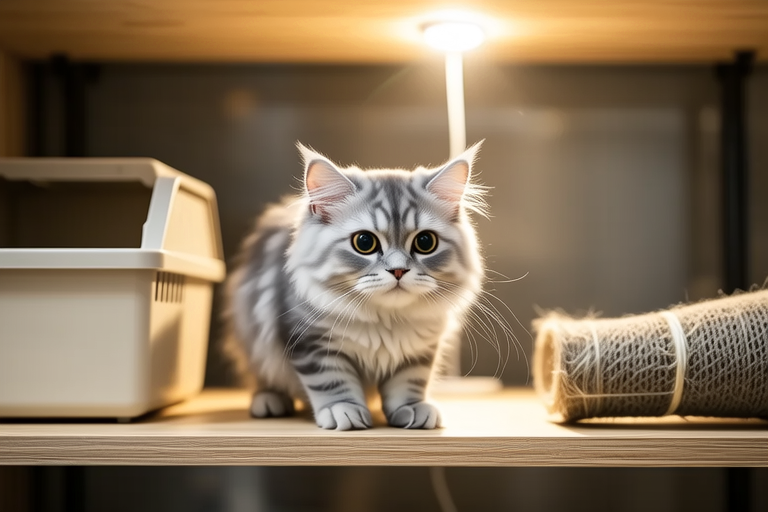
Chinchilla Care Made Easy: Tips for First-Time Owners
Welcome to the world of chinchilla ownership! These adorable, fluffy rodents are known for their luxurious fur and playful personalities. However, they also come with unique care requirements that set them apart from other pets. This guide will help you navigate the essentials of chinchilla care, ensuring your new furry friend lives a happy and healthy life.
Diet: The Key to a Healthy Chinchilla
Feeding your chinchilla correctly is crucial for their overall health. Their diet should primarily consist of high-quality chinchilla pellets, which provide necessary nutrients like vitamins and minerals. Additionally, timothy hay or orchard grass hay should be available at all times; it aids digestion and keeps teeth worn down.
Avoid giving your chinchilla foods high in sugar or fat, such as fruits, vegetables, nuts, seeds, and grains. These can cause obesity, digestive issues, and even dental problems. Occasional treats can include small pieces of fresh fruit, but limit these to once or twice a week.
Habitat Setup: Creating a Comfortable Home
Your chinchilla’s cage should be spacious enough for them to move around freely. A minimum size of 30 inches wide by 24 inches deep by 24 inches tall is recommended for one chinchilla. Multiple chinchillas require additional space.
Choose a cage with horizontal bars, allowing your pet to climb naturally. Place the cage away from direct sunlight and drafts, and ensure good ventilation. Bedding should be dust-free and absorbent, such as aspen shavings or paper-based products. Avoid cedar and pine shavings, as they contain oils harmful to chinchillas.
Incorporate climbing structures, platforms, and tunnels to stimulate mental and physical activity. Provide a dust bath area, which is essential for grooming. Fill a shallow dish with chinchilla-specific dust and place it in the cage daily for about 15 minutes.
Grooming Needs: Maintaining Your Chinchilla’s Fur
Chinchillas have thick coats that need regular grooming. Dust bathing is the primary method of cleaning, but you may also gently brush your chinchilla’s fur with a soft-bristled brush to remove any loose hair or debris.
Do not bathe your chinchilla with water, as it can lead to skin irritation and fungal infections. Instead, use a chinchilla-safe powder if needed. Regular nail trims are also important to prevent overgrowth, which can cause discomfort or injury. Consult your veterinarian for proper trimming techniques.
Health Considerations: Keeping Your Chinchilla Safe and Sound
Chinchillas are generally hardy animals, but they can suffer from various health issues if not cared for properly. Common ailments include bloat, dental problems, respiratory infections, and heatstroke. To prevent these, maintain a clean living environment, provide a balanced diet, and monitor your chinchilla’s behavior for signs of illness.
Scheduling regular check-ups with a veterinarian experienced in exotic animals is vital. They can provide vaccinations, deworming treatments, and address any health concerns promptly. Always quarantine new chinchillas before introducing them to your existing pets to avoid spreading diseases.
Behavioral Insights: Understanding Your Chinchilla’s Personality
Chinchillas are social animals that enjoy companionship, so consider getting a pair if possible. They are nocturnal creatures, meaning they’re most active during the evening and night. Respect their sleep schedule by limiting noise and handling during their resting hours.
While chinchillas can be shy at first, they often become affectionate towards their owners. Handle your chinchilla gently, supporting their body weight, especially when they’re young. Avoid sudden movements or loud noises that might startle them.
Chinchillas communicate through vocalizations, body language, and scent marking. Familiarize yourself with these behaviors to understand your pet better. For instance, a chinchilla may grind its teeth when content or purr when relaxed.
Conclusion: Embracing Chinchilla Ownership
Owning a chinchilla is a rewarding experience, but it requires commitment and knowledge. By understanding their dietary needs, setting up a suitable habitat, maintaining grooming routines, addressing health concerns, and appreciating their behavior, you’ll be well-prepared for the challenges and joys of chinchilla ownership.
Remember, each chinchilla is unique, so take time to get to know your pet’s individual preferences and quirks. With patience, love, and proper care, you and your chinchilla will share many wonderful moments together.
