Maine Coon: The Ultimate Guide
The Maine Coon is one of the largest domestic cat breeds, renowned for its friendly, dog-like personality and striking appearance. This guide explores the characteristics, history, and care requirements of this beloved breed, providing you with all the information you need to understand and appreciate these magnificent felines.
Physical Attributes
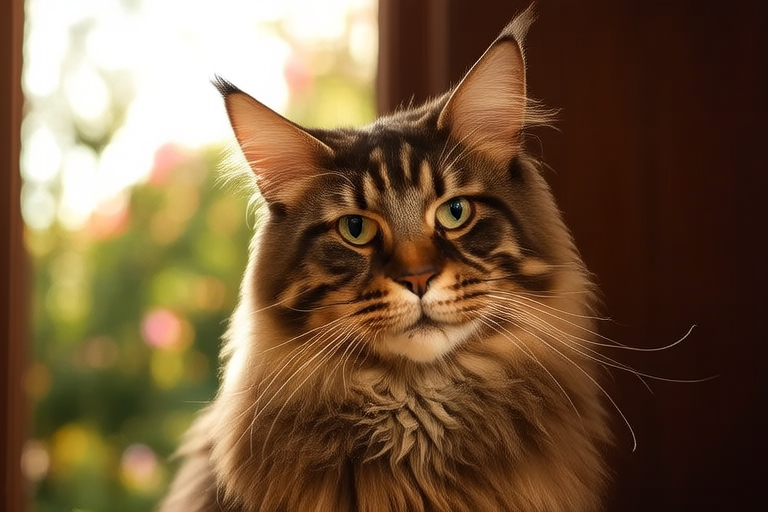
Maine Coons are known for their large size, typically weighing between 9 to 18 pounds, with some individuals reaching even heavier weights. They have a robust build, broad chest, and muscular body, which contribute to their impressive stature. Their heads are triangular, adorned with tufted ears and large, expressive eyes that come in various colors, including green, gold, and copper.
Their coats are one of the most distinctive features of Maine Coons. These cats have a thick, water-resistant double coat that comes in a variety of colors and patterns. The fur is longer around the neck, creating a ruff similar to that of a lion, and it gradually shortens toward the stomach. Their tails are long and fluffy, often resembling a plume. Maine Coons also have tufted paws and ear tips, which protect them from cold weather.
Personality and Temperament
Maine Coons are known for their friendly, sociable nature, often described as having a “dog-like” personality. They are intelligent, playful, and enjoy the company of humans and other animals. Maine Coons are particularly good with children and can be very affectionate, often following their owners around the house. They are also known for their curiosity and love of play, making them great companions for active households.
Despite their large size, Maine Coons are gentle giants, known for their calm demeanor and patient nature. They are not overly demanding but enjoy interaction and attention. Maine Coons are adaptable to different environments, making them suitable for both indoor and outdoor living. However, it is important to note that outdoor life poses risks, so it is generally recommended to keep them indoors.
Origins and Myths
The exact origin of the Maine Coon is shrouded in mystery, with several myths and legends surrounding its beginnings. One popular myth suggests that the breed originated from the mating of a domestic cat with a raccoon, despite the fact that these two species are not related. Another theory proposes that the Maine Coon is a descendant of the longhaired Angora cats brought to America by Marie Antoinette during her escape from France. However, the most widely accepted theory is that the breed developed naturally in New England, where they were prized for their hunting skills and ability to survive harsh winters.
Historical records indicate that the Maine Coon was first recognized as a distinct breed in the late 19th century. They were popular show cats in the early 20th century but fell out of favor after the introduction of Persian cats. It wasn’t until the 1950s that the Maine Coon experienced a resurgence in popularity, leading to its recognition as an official breed by the Cat Fanciers’ Association (CFA) in 1976.
Grooming and Care Requirements
Maine Coons have a thick, water-resistant double coat that requires regular grooming to prevent matting and keep the fur healthy. Brushing your Maine Coon at least once a week is recommended, with more frequent brushing during shedding seasons. Bathing is generally not necessary unless the cat gets excessively dirty or has a medical condition requiring it. When bathing your Maine Coon, use a mild shampoo and ensure that all soap is rinsed away to avoid irritation.
In addition to grooming, maintaining proper dental hygiene is crucial for your Maine Coon’s overall health. Brushing your cat’s teeth regularly or providing dental treats can help prevent periodontal disease. Regular nail trimming is also important to prevent overgrowth and discomfort. Clipping your cat’s nails every few weeks will help maintain their length and reduce the risk of injury.
Health Considerations
While Maine Coons are generally healthy cats, they are prone to certain genetic conditions. Hypertrophic cardiomyopathy (HCM), a heart disease that causes thickening of the heart muscle, is one of the most common health issues in Maine Coons. Regular veterinary check-ups, including echocardiograms, can help detect HCM early and manage the condition effectively. Other potential health concerns include hip dysplasia, polycystic kidney disease, and spinal muscular atrophy.
Early detection and management of these conditions can significantly improve your Maine Coon’s quality of life. Regular veterinary visits, along with a balanced diet and proper exercise, are essential for maintaining your cat’s health. Providing a stimulating environment with toys and scratching posts can also help keep your Maine Coon physically and mentally active.
Dietary Needs
Maine Coons have a high metabolism and require a well-balanced diet to support their large size and active lifestyle. High-quality commercial cat food, either wet or dry, formulated for large breed cats is recommended. Wet food provides moisture, which is especially important for maintaining urinary tract health. Dry food can be offered as a supplement or between meals. It is important to consult with your veterinarian to determine the appropriate amount and type of food for your Maine Coon based on age, weight, and activity level.
Providing fresh water at all times is essential for your cat’s hydration. Some Maine Coons may prefer running water, so consider investing in a water fountain to encourage drinking. Avoid feeding your Maine Coon table scraps or human food, as these can lead to obesity and other health problems. Treats should be given sparingly and as part of a balanced diet.
Why Maine Coons Make Excellent Pets
Maine Coons are excellent pets for families due to their friendly, sociable nature and adaptability to different environments. Their gentle demeanor and affectionate behavior make them ideal companions for children and adults alike. Maine Coons are also known for their intelligence and problem-solving abilities, making them fun and engaging pets. Their playful nature and love of interaction make them great companions for active households.
Maine Coons are adaptable to different environments, whether it’s a busy home with children or a quieter household with older adults. They are comfortable living indoors or outdoors, although indoor living is generally recommended for safety reasons. Their large size and strong hunting instincts make them well-suited for outdoor living, but it is important to provide them with a safe, enclosed space to roam.
Tips for Adopting and Integrating a Maine Coon
Adopting a Maine Coon can be a rewarding experience, but it is important to prepare yourself and your home before bringing your new pet home. Ensure that your home is cat-proofed, with no toxic plants or small objects that could pose a choking hazard. Provide your Maine Coon with a comfortable bed, scratching post, and toys to stimulate their mind and body.
Introducing your new Maine Coon to your household should be done gradually, allowing them time to adjust to their new environment. Keep their litter box in a quiet, easily accessible area and provide multiple food and water stations if you have multiple cats. Establish a routine for feeding, playtime, and grooming to help your Maine Coon feel secure and loved.
Remember that each Maine Coon is unique, and it may take time for them to fully settle into their new home. Be patient and understanding as they acclimate to their new surroundings. With proper care and attention, your Maine Coon will become a cherished member of your family.
