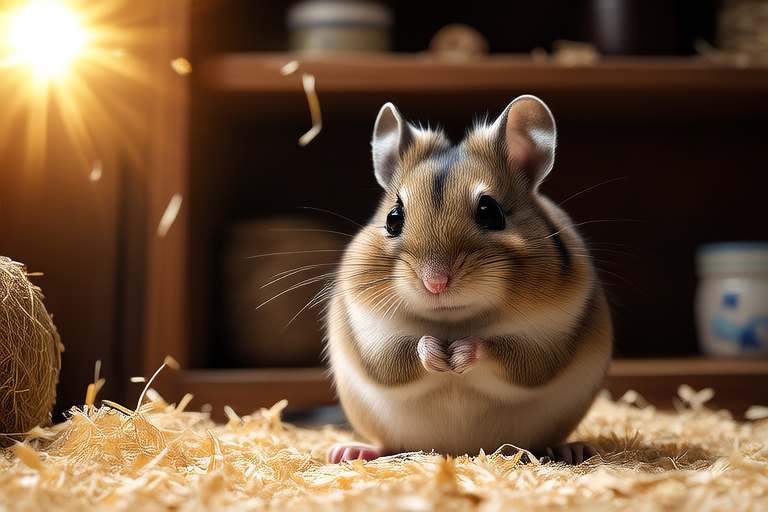
5 Secrets to Keeping Your Chinchilla Happy and Healthy at Home
Welcome to the world of chinchillas! These adorable, fluffy creatures are native to the Andes Mountains in South America and have become popular pets due to their playful nature and soft fur. However, owning a chinchilla comes with unique responsibilities that ensure they stay happy and healthy. In this article, we’ll explore five secrets to keeping your chinchilla thriving at home.
Secret 1: Provide Appropriate Housing
The first step in ensuring your chinchilla’s happiness and health is providing the right living space. Chinchillas are active and curious animals that require ample room to move around freely. An ideal cage should be large enough for your chinchilla to stretch out fully and engage in natural behaviors like jumping and climbing.
A minimum cage size of 24 inches wide, 24 inches deep, and 36 inches high is recommended for a single chinchilla. However, larger cages are always better. The cage should also have multiple levels and plenty of vertical space, as chinchillas love to climb and jump. Ensure that the bars are spaced no more than one inch apart to prevent escape or injury.
Chinchillas are very sensitive to heat, so it’s crucial to keep their environment cool. The ideal temperature range for chinchillas is between 60-70°F (15-21°C). Avoid placing the cage in direct sunlight or near heat sources such as radiators or air conditioning units. Additionally, chinchillas are nocturnal, meaning they are most active during the night. To accommodate their sleep schedule, place the cage in a quiet area of your home away from excessive noise and activity.
Secret 2: Feed Them a Balanced Diet
Proper nutrition is essential for maintaining your chinchilla’s health. A well-balanced diet consists mainly of hay, supplemented with pellets and fresh water. Timothy hay is the best choice, as it provides necessary fiber for digestion and helps wear down their continuously growing teeth. Fresh hay should be available at all times.
Pellets designed specifically for chinchillas are also important. These pellets are formulated to meet the nutritional needs of chinchillas, including vitamins, minerals, and proteins. However, avoid overfeeding pellets, as they can lead to obesity. A small handful of pellets per day is usually sufficient.
Fresh vegetables can be offered as treats but should make up only a small portion of their diet. Suitable vegetables include carrots, broccoli, and spinach. Fruits, while tempting, should be given sparingly due to their high sugar content. It’s also important to provide clean, fresh water daily in a sipper bottle designed for small animals. This ensures that your chinchilla stays hydrated and maintains good health.
Secret 3: Meet Their Exercise Needs
Chinchillas are highly energetic animals that require regular exercise to stay healthy. Providing opportunities for physical activity is crucial for preventing obesity and promoting mental stimulation. In addition to the space provided within their cage, you should allow your chinchilla supervised time outside of its enclosure each day.
Chinchillas enjoy running and jumping, so setting up an exercise wheel or creating a safe play area with tunnels and obstacles can help them burn off excess energy. When choosing an exercise wheel, opt for one made of solid material rather than wire, as wire wheels can damage their feet. Rotate the play area regularly to keep your chinchilla interested and engaged.
Exercise not only benefits their physical health but also contributes to their mental well-being. Regular physical activity helps reduce stress and anxiety, which are common issues in captive chinchillas. By providing ample opportunities for movement and exploration, you can ensure your chinchilla remains active and happy.
Secret 4: Establish a Grooming Routine
Grooming is an essential part of caring for your chinchilla. Chinchillas have thick, luxurious coats that require regular attention to maintain their health and appearance. Dust baths are the primary method of grooming for chinchillas. Unlike water, dust baths do not wet the fur, which can lead to skin problems. Instead, they help remove dirt, excess oils, and loose fur from the coat.
To provide a dust bath, fill a shallow container with chinchilla-specific dust or sand. Allow your chinchilla to roll around in the dust for about 10-15 minutes, two to three times a week. After the bath, remove any remaining dust from their fur to prevent respiratory issues. It’s also important to trim your chinchilla’s nails regularly to prevent overgrowth and discomfort. Use nail clippers designed for small animals and be cautious not to cut into the quick, which can cause bleeding and pain.
In addition to dust baths and nail trimming, you should also check your chinchilla’s teeth regularly. Chinchillas’ teeth grow continuously throughout their lives, and if not properly worn down, they can develop dental problems. Providing chew toys made from untreated wood or cardboard can help keep their teeth in check. If you notice any signs of dental issues, such as drooling or difficulty eating, consult a veterinarian immediately.
Secret 5: Enrich Their Environment
Environmental enrichment plays a vital role in keeping your chinchilla mentally stimulated and engaged. Chinchillas are intelligent creatures that benefit from varied and stimulating environments. Providing a variety of toys and activities can help prevent boredom and promote healthy behavior.
Consider adding items such as tunnels, hammocks, and platforms to your chinchilla’s cage. These additions encourage exploration and climbing, which are natural behaviors for chinchillas. Puzzle feeders can also be used to challenge your chinchilla’s problem-solving skills and provide mental stimulation. Rotate these items periodically to keep things interesting and prevent your chinchilla from becoming bored.
Additionally, spending quality time with your chinchilla can greatly enhance their emotional well-being. Chinchillas are social animals that form strong bonds with their human companions. Spend time handling and interacting with your chinchilla daily, but always respect their boundaries and body language. Some chinchillas may prefer gentle petting, while others may enjoy being held or sitting on your lap. Pay attention to your chinchilla’s preferences and adjust accordingly.
Creating a stimulating and enriching environment for your chinchilla will contribute to their overall happiness and health. By providing a variety of toys, activities, and social interaction, you can ensure that your chinchilla leads a fulfilling life.
Conclusion
Owning a chinchilla is a rewarding experience, but it requires dedication and knowledge to meet their unique care needs. By following these five secrets—providing appropriate housing, feeding them a balanced diet, meeting their exercise needs, establishing a grooming routine, and enriching their environment—you can ensure your chinchilla stays happy and healthy at home. Remember, every chinchilla is different, so observe your pet closely and tailor their care to suit their individual preferences and requirements.
