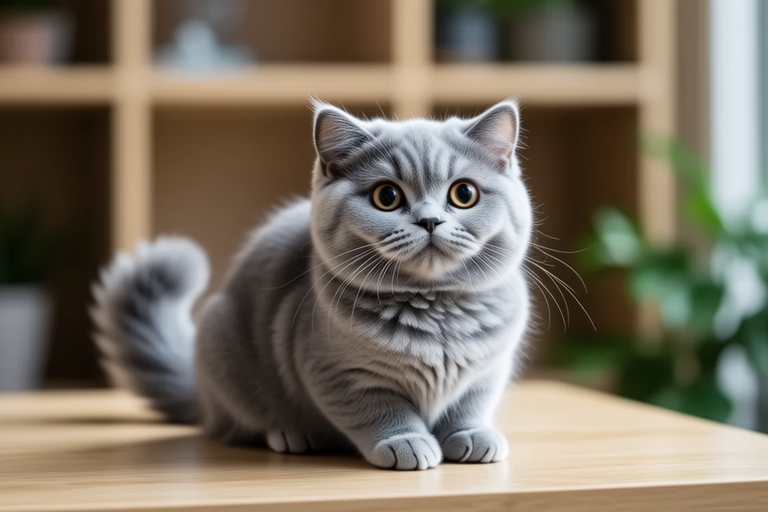
Meet the Fuzzy Friends: Why You Should Adopt a Chinchilla
Welcome to the world of chinchillas, one of the most unique and delightful creatures you could ever bring into your home. These small, fluffy animals have captured the hearts of many pet lovers with their soft, luxurious fur and endearing personalities. Chinchillas are not just any ordinary pets; they are special companions that offer a unique experience for those willing to provide the right environment and care.
The Physical Characteristics of Chinchillas
Chinchillas are known for their incredibly soft fur, which is why they were once hunted extensively for their pelts. Each hair follicle on a chinchilla can have up to 60 individual hairs growing from it, making their coat one of the densest in the animal kingdom. Their fur is so dense that it repels water, which is why they do not need to bathe in water like other animals. Instead, they take dust baths, which we will discuss later.
In addition to their soft fur, chinchillas have large, rounded ears that help them detect sounds in their natural habitat. They also have long whiskers that assist them in navigating their surroundings, especially in low light conditions. Chinchillas come in various colors, including standard gray, beige, white, and even black velvet, adding to their charm and appeal.
The Friendly and Intelligent Nature of Chinchillas
Despite their wild origins, chinchillas can be very friendly and affectionate pets if handled correctly. They are intelligent creatures that enjoy interacting with their owners. Many chinchillas can learn to recognize their names and respond to certain commands, showing their level of intelligence and bond with their human companions.
Chinchillas are naturally curious and playful, often exploring their environments and playing with toys. However, they are also quite sensitive and can become stressed easily if not given the proper attention and care. It’s important to handle them gently and provide a calm, quiet environment to ensure they remain happy and healthy.
Common Behaviors and Social Habits
Dust bathing is one of the most fascinating behaviors of chinchillas. This practice involves rolling around in fine volcanic ash or specially formulated dust, which helps them clean and maintain their thick fur. Dust bathing is not only a hygiene ritual but also a form of play for chinchillas. Providing a dust bath box filled with appropriate dust is essential for their well-being.
Chinchillas are social animals and prefer to live in pairs or groups. In the wild, they live in colonies, and this social structure can be replicated in captivity to some extent. While chinchillas can thrive in single-pet households, having another chinchilla companion can enhance their quality of life. Introducing two chinchillas requires careful planning and patience to ensure they get along well.
Care Tips for Chinchillas
Diet
Proper nutrition is crucial for maintaining the health of your chinchilla. A balanced diet primarily consists of hay, which provides the necessary fiber for digestion. Timothy hay is commonly recommended, though orchard grass hay can also be suitable. Pellets specifically formulated for chinchillas should make up a small portion of their diet, ensuring they receive the required vitamins and minerals.
Avoid feeding chinchillas sugary treats or foods high in fat, as these can lead to obesity and dental problems. Fresh vegetables and fruits can be offered sparingly as occasional treats. Always introduce new foods gradually to prevent digestive upset.
Housing
Creating a safe and comfortable living space is essential for your chinchilla’s happiness. A spacious cage with multiple levels is ideal, allowing your pet to climb and explore. The cage should be made of wire mesh with small openings to prevent injuries and escape attempts. Solid flooring is preferable to wire flooring to avoid foot injuries.
Provide plenty of bedding material, such as shredded paper or wood shavings, to make the cage cozy and absorbent. Ensure good ventilation and cleanliness within the cage to prevent respiratory issues. Position the cage away from direct sunlight and drafts to maintain a stable temperature.
Exercise and Enrichment
Chinchillas are active animals that require regular exercise to stay healthy. Provide toys, tunnels, and platforms within the cage to stimulate their minds and bodies. Out-of-cage time in a safe, chinchilla-proofed area allows them to stretch their legs and explore their surroundings.
Supervise chinchillas during out-of-cage time to prevent accidents and ensure their safety. Avoid placing chinchillas in areas with open spaces, as they may jump and injure themselves. Rotate toys regularly to keep your chinchilla engaged and interested in its environment.
Potential Challenges of Owning a Chinchilla
Owning a chinchilla comes with its own set of challenges. One of the biggest concerns is the cost of proper care. High-quality food, specialized bedding, and veterinary care can add up over time. Additionally, chinchillas require specific environmental conditions, such as a cool and dry climate, which might necessitate air conditioning or heating.
Another challenge is the potential for health issues. Chinchillas are prone to dental problems, respiratory infections, and digestive disorders. Regular check-ups with a veterinarian experienced in exotic pets can help catch and treat these issues early. Early signs of illness include changes in appetite, lethargy, or abnormal droppings.
Chinchillas can also be territorial and aggressive if not properly socialized. Introducing a second chinchilla to a household requires careful planning and gradual introduction to prevent fights. Proper handling and socialization from a young age can help mitigate these challenges and ensure a harmonious relationship between you and your chinchilla.
The Joy of Adoption
Adopting a chinchilla from a shelter or rescue organization offers numerous benefits. Many shelters and rescues have chinchillas that need loving homes due to various reasons, such as previous neglect or abandonment. By adopting, you not only provide a much-needed home but also support the work of these organizations in finding homes for animals in need.
Adopted chinchillas often come with a history of care, which can be valuable information for new owners. Shelters and rescues typically provide guidance on the specific needs and quirks of each chinchilla, helping you better understand and meet their requirements. Adopting a chinchilla also ensures that resources are being used efficiently and that fewer animals are left without homes.
The joy and companionship that chinchillas offer are immeasurable. Their playful nature, intelligence, and unique behaviors make them delightful companions. With the right care and attention, chinchillas can provide years of happiness and fulfillment for their owners. Consider adopting a chinchilla today and welcome a fuzzy friend into your life.
In conclusion, chinchillas are truly remarkable pets that offer a unique and rewarding experience for those willing to provide the necessary care and attention. Their soft fur, large ears, and playful demeanor make them irresistible, while their intelligence and social nature deepen the bond between pet and owner. By understanding their needs and providing a nurturing environment, you can ensure a happy and healthy life for your chinchilla. So, why not give a chinchilla a chance? You might just find yourself with a new best friend.
