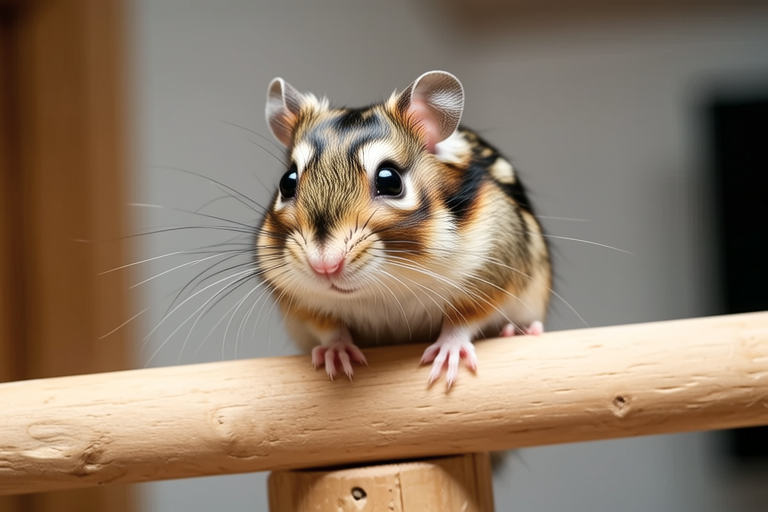
Chinchilla Care: Understanding Their Unique Needs for Happiness at Home
Chinchillas are fascinating creatures with unique behaviors and needs that make them both delightful and challenging pets. Originating from the Andes Mountains in South America, these small rodents have adapted to life in high altitudes with cold temperatures and sparse vegetation. As such, understanding their specific dietary preferences, exercise requirements, social interactions, environmental enrichment, and grooming habits is essential for ensuring their mental and physical well-being in a domestic setting. This article explores these aspects of chinchilla care, dispels common myths, and provides evidence-based advice for potential and current owners.
Dietary Preferences
Chinchillas have a specialized diet that primarily consists of hay, pellets, and fresh water. They require high-fiber diets to maintain healthy digestion and prevent dental issues. Timothy hay is often recommended as it is rich in nutrients and helps wear down their continuously growing teeth. Pellets formulated specifically for chinchillas should be provided in limited quantities, as overfeeding can lead to obesity and other health problems. Fresh water should always be available, preferably in a bottle with a metal sipper tube to prevent contamination.
Avoid feeding chinchillas sugary or starchy treats like fruits, vegetables, or grains, as they can cause digestive upset and tooth decay. Occasional treats of dried herbs or flowers can be offered but should be given sparingly. Chinchillas also enjoy gnawing on wooden toys or chew sticks to help wear down their teeth and keep them occupied. Providing a balanced diet is crucial for maintaining their overall health and happiness.
Exercise Requirements
Chinchillas are highly active animals that need ample opportunities for exercise to stay physically fit. In the wild, they spend most of their time running, jumping, and climbing among rocky outcrops. To replicate this environment at home, provide a spacious cage with multiple levels, ramps, and tunnels. A minimum cage size of 3 feet by 2 feet by 4 feet is recommended, though larger enclosures are ideal. Ensure that the cage has bars spaced no more than 1 inch apart to prevent injury.
In addition to their cage setup, allow chinchillas supervised playtime outside of their enclosure for at least an hour each day. This can include running on a safe surface, exploring new environments, or interacting with their owner. Exercise is vital for preventing obesity, muscle atrophy, and behavioral issues. Regular activity also promotes mental stimulation, which is essential for their overall well-being.
Social Interactions
Chinchillas are generally solitary animals in the wild, living alone or in small groups. However, they can form strong bonds with humans and may tolerate the presence of other chinchillas if introduced properly. When considering housing multiple chinchillas together, ensure that they have adequate space and resources to avoid conflicts. Introducing new chinchillas should be done gradually under close supervision to monitor compatibility.
Chinchillas thrive on positive interactions with their owners, including gentle handling, petting, and playtime. Spend quality time with your chinchilla daily to strengthen the bond and encourage trust. Avoid sudden movements or loud noises that could startle them. Providing a calm and predictable environment will help your chinchilla feel secure and comfortable.
Environmental Enrichment
To mimic their natural habitat and provide mental stimulation, create an enriched environment that encourages exploration and problem-solving. Offer a variety of toys, such as chew sticks, tunnels, hammocks, and puzzle feeders. Rotate toys periodically to prevent boredom and maintain interest. Incorporate elements that promote climbing, digging, and hiding, like cardboard boxes, paper bags, or tunnels made from PVC pipes.
Chinchillas are nocturnal animals, so providing dim lighting during the day and adjusting the cage location away from direct sunlight can help them adjust to a natural sleep-wake cycle. Consider using red or blue LED lights for night-time viewing without disturbing their rest. Maintaining a consistent routine and providing a stimulating environment will contribute to their overall happiness and well-being.
Grooming Habits
Chinchillas have thick, luxurious fur that requires regular maintenance to prevent matting and skin conditions. Unlike many other animals, they cannot bathe in water due to the density of their coat, which would trap moisture and lead to fungal infections. Instead, they take dust baths several times a week to clean and condition their fur. Provide a shallow container filled with chinchilla-specific dust (often made from volcanic ash) and allow your chinchilla to roll around freely.
Monitor the duration of dust baths to prevent excessive grooming, which can lead to skin irritation or ingestion of too much dust. Gently brush your chinchilla’s fur occasionally to remove loose hair and debris. Pay attention to any signs of discomfort or changes in grooming behavior, as these may indicate underlying health issues.
Myths About Chinchilla Care
Several misconceptions exist regarding chinchilla care that can lead to improper husbandry practices:
- Myth: Chinchillas can live in small cages. While some people believe that chinchillas can adapt to smaller spaces, this is far from true. Chinchillas need ample room to move around and explore. A cramped environment can lead to stress, obesity, and behavioral problems.
- Myth: Chinchillas don’t need much exercise. Chinchillas are naturally active animals that require regular physical activity to maintain their health. Lack of exercise can result in obesity, muscle atrophy, and behavioral issues.
- Myth: Chinchillas can eat anything. Chinchillas have sensitive digestive systems that require a carefully controlled diet. Feeding them inappropriate foods, such as sugary treats or human snacks, can cause serious health problems.
- Myth: Chinchillas can swim. Chinchillas cannot swim and should never be exposed to water. Their dense fur traps moisture, leading to fungal infections and other health issues.
By addressing these myths and providing accurate information, we can ensure that chinchillas receive the care they deserve and thrive in their domestic environments.
Maintaining Mental and Physical Well-Being
To ensure the mental and physical well-being of chinchillas, follow these guidelines:
- Provide a spacious, secure cage with multiple levels, ramps, and tunnels.
- Allow supervised playtime outside of the cage for at least an hour each day.
- Offer a balanced diet of hay, pellets, and fresh water, supplemented with occasional treats.
- Introduce new chinchillas cautiously and monitor their interactions closely.
- Create an enriched environment with toys, tunnels, and hiding spots.
- Provide dust baths several times a week and gently brush their fur occasionally.
- Monitor grooming habits and seek veterinary care if necessary.
- Establish a consistent routine and maintain a calm, predictable environment.
By following these recommendations, you can create a stimulating and safe environment that mimics their natural habitat as much as possible, promoting the happiness and well-being of your chinchilla.
