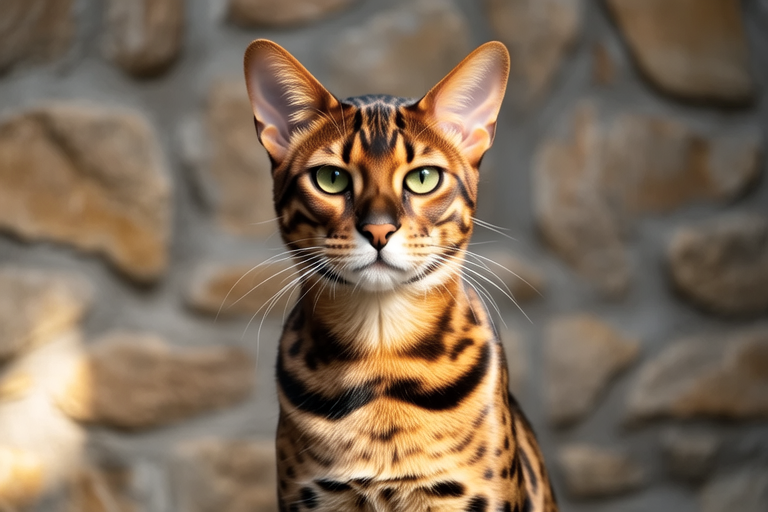
Bengal Cats: The Perfect Blend of Wild Elegance and Domestic Charm
Introduction
Bengal cats are a unique breed that has captured the hearts of many cat enthusiasts. With their striking wild appearance and playful yet affectionate nature, these felines are a perfect blend of elegance and charm. In this article, we will delve into the origins, appearance, temperament, care requirements, and lifestyle compatibility of Bengal cats. We’ll also explore their interactions with families and other pets, common health issues, and preventive measures. By the end of this piece, you will have a comprehensive understanding of why Bengal cats are considered the ideal pets for certain lifestyles.
The Origins of Bengal Cats
Bengal cats are the result of crossbreeding domestic cats with Asian leopard cats, a small wild feline native to Southeast Asia. This hybridization was first attempted in the 1960s by Dr. Willard Centerwall, who aimed to study the genetic resistance of Asian leopard cats against feline leukemia virus. However, it wasn’t until the 1980s that Jean Mill, an American breeder, successfully developed the Bengal breed by selectively breeding the offspring of these hybrids. Today, Bengal cats are recognized as a distinct breed by most major cat registries.
A Striking Appearance
One of the most captivating aspects of Bengal cats is their appearance. These felines possess a sleek, muscular build, with medium to large-sized bodies that exude grace and agility. Their coat is perhaps their most distinctive feature; it boasts a luxurious, short, and dense fur that shimmers like satin under light. The most sought-after coat pattern is the marbled or spotted leopard pattern, which gives them a striking resemblance to their wild ancestors. Additionally, Bengal cats come in various colors, including brown, silver, charcoal, and snow, making each individual unique.
A Playful Yet Affectionate Temperament
Bengal cats are known for their playful and curious nature. They are highly intelligent and enjoy interactive toys, puzzles, and games that challenge their minds. Despite their wild appearance, Bengal cats are incredibly affectionate towards their owners and form strong bonds with them. They are often described as dog-like in their loyalty and can be trained to walk on a leash or fetch objects. While they may seem aloof at times, Bengal cats are social animals that thrive in environments where they receive plenty of attention and stimulation.
Care Requirements
Like any other pet, Bengal cats require proper care to ensure their well-being. Here’s what you need to know about their exercise, diet, and grooming:
- Exercise: Bengal cats are active and require ample opportunities for physical activity. Providing them with climbing trees, scratching posts, and interactive toys can help keep them entertained and healthy. Regular play sessions are essential for their mental and physical development.
- Diet: A balanced diet rich in protein is crucial for maintaining your Bengal cat’s health. High-quality commercial cat food or a homemade diet formulated by a veterinarian can meet their nutritional needs. Avoid feeding them human food or treats that could cause digestive issues or obesity.
- Grooming: Although their short fur requires minimal maintenance, regular brushing can help remove loose hair and prevent matting. Bathing may be necessary occasionally, especially if your Bengal cat enjoys water. Pay attention to their dental hygiene and trim their nails regularly to avoid overgrowth.
Lifestyle Compatibility
Bengal cats are best suited for homes where they can receive plenty of attention and stimulation. They thrive in environments where they have access to vertical spaces, such as cat trees and window perches, to satisfy their natural climbing instincts. Families with children or other pets should consider whether the household environment is conducive to the Bengal’s active and curious nature. It’s important to introduce new pets gradually and supervise their interactions to ensure harmony.
Interactions with Families and Other Pets
Bengal cats are known for their friendly and sociable nature. They often form close bonds with all members of the family, including children, and can be gentle companions. However, their high energy levels and curiosity mean they may not always be patient with young children who don’t understand how to handle them properly. Supervision is key to ensuring positive interactions between Bengals and kids. When introduced to other pets, Bengals tend to be accepting, but early socialization is essential to promote peaceful coexistence.
Common Health Issues and Prevention
Bengal cats are generally healthy, but they are prone to certain health conditions. Hypertrophic cardiomyopathy (HCM), a heart disease, is one of the most significant concerns for this breed. Regular veterinary check-ups, including cardiac evaluations, can help detect HCM early and manage its progression. Dental issues are also common, so maintaining good oral hygiene through regular brushing and professional cleanings is vital. Providing a balanced diet and avoiding obesity can help prevent joint problems, which are more prevalent in larger breeds like Bengals.
Conclusion
Bengal cats are a remarkable breed that combines the elegance of wild felines with the charm of domestic pets. Their striking appearance, playful yet affectionate temperament, and specific care requirements make them ideal companions for those who can provide them with the attention and stimulation they need. By understanding their unique characteristics and needs, you can ensure a happy and healthy life for your Bengal cat. Whether you’re a seasoned cat owner or considering adopting a Bengal for the first time, these felines are sure to bring joy and excitement to your home.
