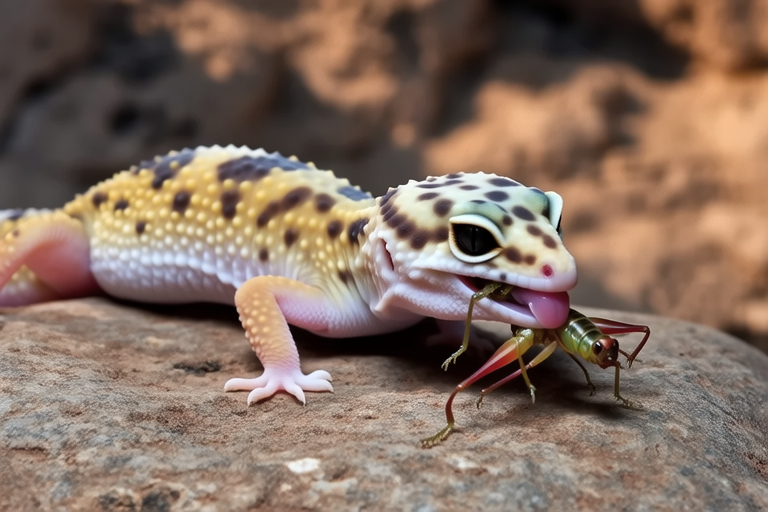
Leopard Gecko Diet Secrets: What They Need to Thrive
Leopard geckos are one of the most popular reptile pets due to their docile nature, vibrant colors, and relatively low maintenance requirements. Originating from the arid regions of Afghanistan, Pakistan, and parts of India, these small lizards have adapted to thrive in captivity with the right care. One crucial aspect of keeping leopard geckos healthy is understanding their dietary needs. This article delves into the secrets of crafting a balanced diet that will ensure your gecko thrives.
Understanding Leopard Gecko Dietary Needs
Leopard geckos are insectivores, meaning their primary diet consists of insects. Their digestive system is designed to process these high-protein meals efficiently, providing the necessary energy and nutrients for growth, activity, and overall health. In the wild, they consume a variety of insects, but as pets, their diet must be carefully managed to meet all their nutritional requirements.
Essential Nutrients for Health
Calcium
Calcium is critical for maintaining strong bones and proper muscle function in leopard geckos. Without sufficient calcium, they can develop metabolic bone disease (MBD), a condition characterized by weak, brittle bones that can lead to fractures and severe mobility issues. To ensure adequate calcium intake, dusting insects with a calcium supplement is recommended. However, it’s important to avoid over-supplementation, as excess calcium can lead to kidney problems. Calcium should be provided without vitamin D3, especially if the gecko has access to UVB lighting.
Vitamins
In addition to calcium, leopard geckos require a variety of other vitamins to maintain optimal health. Vitamin A is vital for skin and eye health, while B-complex vitamins support metabolism and energy production. Vitamin D3 aids in calcium absorption, and vitamin E acts as an antioxidant, protecting cells from damage. A good multivitamin supplement should be used sparingly, typically once or twice a week, to prevent toxicity.
Protein Sources
Protein is the cornerstone of a leopard gecko’s diet, as it provides the building blocks for muscles, organs, and other tissues. The best protein sources are live insects such as crickets and mealworms. These insects should be gut-loaded, which means feeding them a nutritious diet themselves before offering them to the gecko. Gut-loading ensures that the gecko receives additional vitamins and minerals from the insects’ guts.
Appropriate Live Food Options
Crickets
Crickets are one of the most common feeder insects for leopard geckos. They are easy to find, breed, and store, making them a convenient choice. Crickets are rich in protein and can be gut-loaded with a variety of foods such as commercial cricket food, leafy greens, and fruits. It’s important to offer crickets of appropriate size; juvenile geckos should eat crickets no larger than the space between their eyes, while adults can handle slightly larger prey.
Mealworms
Mealworms are another excellent option for leopard geckos. They are particularly beneficial because they contain more fat than crickets, which is essential for adult geckos. Mealworms should also be gut-loaded, ideally with a mix of vegetables and grains. However, it’s worth noting that mealworms have hard exoskeletons, so they should be offered in moderation to avoid digestive issues.
The Importance of Supplementation
Supplementation plays a crucial role in ensuring that your leopard gecko receives all the necessary nutrients. Dusting insects with calcium powder and occasionally adding a multivitamin can help fill any gaps in their diet. However, it’s important to balance supplementation to avoid overloading the gecko with certain nutrients, which can lead to health issues. Always follow the manufacturer’s instructions when using supplements, and consider consulting a veterinarian experienced with reptiles for personalized advice.
Feeding Frequency and Portion Control
The feeding schedule for leopard geckos varies depending on their age and activity level. Juvenile geckos, which are still growing rapidly, should be fed daily or every other day, with a portion size equivalent to about half their body weight. Adult geckos generally require less frequent feedings, typically two to three times per week, with smaller portions. Overfeeding can lead to obesity, while underfeeding can result in malnutrition.
Tips for Monitoring Your Gecko’s Health Through Its Diet
Maintaining a healthy diet is key to monitoring your leopard gecko’s overall well-being. Regular observations of your gecko’s appetite, weight, and activity levels can help you detect potential issues early. Signs of a healthy gecko include regular feeding, smooth skin, clear eyes, and active behavior. If you notice changes in these areas, it may indicate a problem with their diet or overall health. Consulting with a veterinarian can provide guidance on addressing these concerns.
Additionally, maintaining clean living conditions is essential. Uneaten food should be removed promptly to prevent bacterial growth and contamination. Regular cleaning of the enclosure and changing of substrates can further contribute to a healthy environment for your pet.
In conclusion, providing a balanced and nutritious diet is fundamental to the health and happiness of your leopard gecko. By understanding their dietary needs and implementing proper feeding practices, you can ensure that your pet thrives in its new home. Remember to consult with professionals when needed and stay informed about advancements in reptile care to give your gecko the best possible life.
