Why Are Rajah Cichlids So Popular? Uncovering the Mystery Behind Their Appeal
Rajah cichlids, also known as Aequidens rivulatus, are a captivating species that have gained significant attention among aquarium enthusiasts. These fish are native to the waters of Guyana and Suriname, where they thrive in the slow-moving rivers and tributaries. What sets Rajah cichlids apart from other freshwater fish is their striking appearance and intriguing behavior. This article delves into the reasons behind their popularity, exploring their physical attributes, behavioral traits, care requirements, and addressing common misconceptions.
The Alluring Appearance of Rajah Cichlids
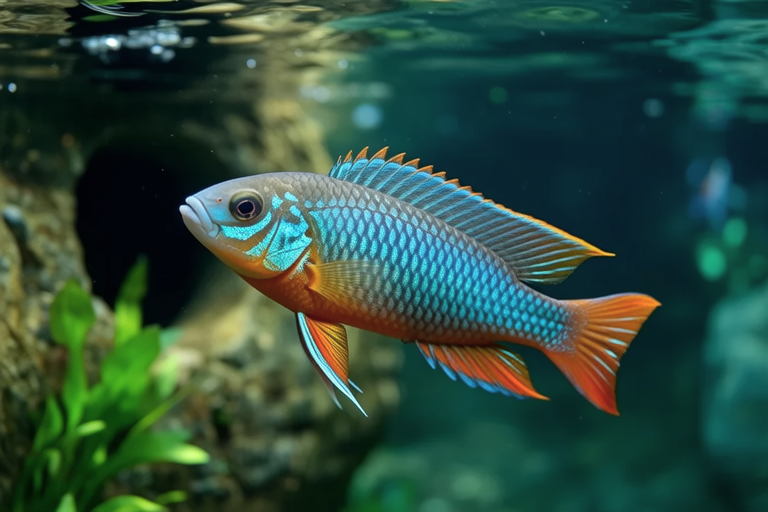
Rajah cichlids are renowned for their vibrant and varied coloration. Males typically display a more intense and diverse palette, featuring electric blue hues that contrast beautifully with their orange-red fins. Females, while equally attractive, tend to have a more subdued color scheme. The most distinguishing feature of Rajah cichlids is the black stripe that runs vertically across their body, which gives them a regal and majestic look. This characteristic, combined with their robust build and medium size (ranging from 4 to 6 inches), makes them a standout addition to any aquarium.
Behavioral Traits: A Blend of Grace and Aggression
Rajah cichlids are not only visually appealing but also exhibit fascinating behaviors that captivate observers. They are known for their territorial nature, especially during breeding seasons, when males become particularly aggressive towards other males. However, outside of these periods, they can be quite peaceful and even social with other non-aggressive fish species. Their interactions within the aquarium often include complex displays of dominance and submission, which can be entertaining to watch. These behaviors highlight the intelligence and adaptability of Rajah cichlids, making them a favorite among hobbyists who appreciate dynamic and interactive fish.
Care Requirements: Ensuring a Healthy Environment
Maintaining Rajah cichlids requires careful attention to their specific needs. Proper diet and habitat setup are crucial for their well-being and longevity. These cichlids are omnivorous, meaning they require a balanced diet that includes both plant matter and protein. High-quality pellets, fresh vegetables like zucchini or spinach, and occasional live or frozen foods such as brine shrimp or bloodworms will ensure they receive all necessary nutrients. Additionally, it’s important to provide a spacious tank with plenty of hiding spots and open swimming areas. A minimum tank size of 55 gallons is recommended for a pair, and additional space should be considered if housing multiple individuals. Decorations like caves, driftwood, and rocks mimic their natural environment and offer shelter for these territorial fish.
Tank Setup: Creating the Ideal Habitat
The ideal tank setup for Rajah cichlids should replicate their natural riverine habitats. Soft, sandy substrate is preferable, as it mimics the bottom of their native rivers. Live plants, such as java fern or anubias, can be included to provide additional cover and oxygenate the water. It’s essential to maintain stable water parameters, including a pH level between 6.5 and 7.5 and a temperature range of 75 to 82 degrees Fahrenheit. Regular water changes and filtration are vital to keep the tank clean and free from harmful substances.
Compatibility: Finding Suitable Tankmates
Choosing compatible tankmates for Rajah cichlids can be challenging due to their territorial tendencies. It’s advisable to house them with similarly-sized, peaceful fish species that won’t provoke aggression. Some suitable companions include other cichlid species, such as angelfish or discus, provided they are not too small to become prey. Avoid overly aggressive or highly territorial species that could lead to conflict. Compatibility largely depends on individual temperaments and the size of the tank, so careful observation and adjustment may be necessary.
Addressing Common Misconceptions
One common misconception about Rajah cichlids is that they are difficult to care for. While they do require specific conditions, with proper research and preparation, they can be rewarding pets. Another myth is that they are unsuitable for community tanks. With the right tankmates and adequate space, Rajah cichlids can coexist peacefully in a community setting. It’s important for new owners to understand that patience and regular maintenance are key to ensuring the health and happiness of these fish.
Tips for New Owners
For those considering adding Rajah cichlids to their aquarium, here are some practical tips:
- Start with a well-established tank: Ensure your tank has been running for at least a month before introducing Rajah cichlids to allow beneficial bacteria to develop.
- Monitor water quality: Use test kits to regularly check ammonia, nitrite, and nitrate levels to maintain optimal water conditions.
- Provide ample hiding spots: Offer various caves and crevices to reduce stress and promote natural behavior.
- Observe interactions: Keep an eye on the dynamics between Rajah cichlids and their tankmates to prevent potential conflicts.
- Be patient: Allow time for Rajah cichlids to acclimate to their new environment before introducing any new elements.
Conclusion: Why Rajah Cichlids Stand Out
In conclusion, Rajah cichlids are a popular choice among aquarium enthusiasts due to their stunning appearance, interesting behaviors, and unique care requirements. Their vibrant colors and dynamic interactions make them a captivating addition to any freshwater aquarium. By understanding their specific needs and providing a suitable environment, aquarists can enjoy the beauty and charm of Rajah cichlids. Whether you’re a seasoned hobbyist or a beginner, these fish offer a rewarding experience that highlights the diversity and wonder of the aquatic world.
