Unraveling the Mystique of the Abyssinian: History and Personality
The Abyssinian cat, a breed steeped in mystery and legend, has captivated cat lovers for centuries. With its striking appearance and endearing personality, it’s no wonder why this breed remains one of the most popular choices among cat enthusiasts. In this article, we will delve into the origins and historical background of the Abyssinian, explore its unique physical characteristics, and examine the breed’s distinct personality traits. Additionally, we will provide valuable insights into caring for an Abyssinian and offer tips for those considering adopting one of these enchanting creatures.
Origins and Historical Background
The Abyssinian cat’s origins are as intriguing as the breed itself. Historically, the Abyssinian is believed to have originated from ancient Egypt, where cats were revered and worshipped. Many myths and legends surround the breed’s ancestry, with some suggesting that they were the descendants of the sacred cats of the pharaohs. The name “Abyssinian” refers to Ethiopia, formerly known as Abyssinia, which was once thought to be the birthplace of the breed. However, recent genetic studies suggest that the Abyssinian may have actually descended from Southeast Asian or East African cats brought to Britain by British soldiers returning from the Abyssinian War in the mid-19th century.
The first recorded Abyssinian cat appeared in Britain in the 1860s, and the breed quickly gained popularity. It was introduced to the United States in the early 20th century and has since become a favorite among cat fanciers worldwide. The breed’s rich history and mysterious origins have contributed to its enduring appeal, making it a subject of fascination for many.
Physical Characteristics
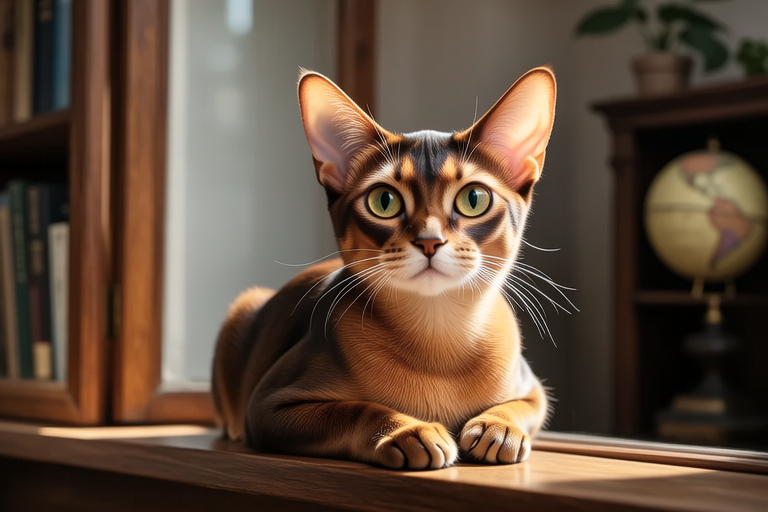
The Abyssinian cat is renowned for its striking appearance, which sets it apart from other breeds. One of the most distinctive features of the Abyssinian is its short, silky coat, which comes in four recognized colors: ruddy (a warm reddish-brown), blue (a cool gray), fawn (a light beige), and sorrel (a soft cinnamon). Each hair has a ticking pattern, meaning each strand is banded with multiple colors, giving the coat a shimmering effect. This unique feature, along with the breed’s large ears and expressive almond-shaped eyes, contributes to its exotic and elegant appearance.
The Abyssinian’s body is slender and muscular, with long legs and a graceful stance. Their tails are long and tapering, adding to their overall sleek and athletic look. The breed’s large, alert ears and expressive eyes further enhance its regal demeanor, making it a true sight to behold. These physical attributes, combined with their lively and playful nature, make Abyssinians a joy to watch and interact with.
Personality Traits
Abyssinian cats are known for their intelligence, playfulness, and social nature, making them ideal companions for those seeking an interactive and engaging pet. They are highly curious and enjoy exploring their surroundings, often becoming involved in household activities. Their intelligence means they can be trained to perform tricks and respond to commands, making them a delight for their owners.
Abyssinians are also very affectionate and tend to form strong bonds with their human families. They enjoy being around people and often seek out attention and interaction, making them excellent companions for those who spend a lot of time at home. Despite their independent nature, they are not overly demanding and are generally content as long as they receive regular attention and stimulation.
Their playful nature makes Abyssinians particularly enjoyable for families with children or other pets. They are known for their agility and acrobatic skills, often engaging in games that require climbing, jumping, and chasing. Their curiosity and playfulness ensure that life with an Abyssinian is never dull, providing endless entertainment for their owners.
Care Requirements
While Abyssinians are generally low-maintenance when it comes to grooming, their short coats still require regular brushing to remove loose hairs and prevent matting. Their active lifestyle means they need plenty of space to move around and play, so providing them with toys and scratching posts is essential. Interactive play sessions are also important to keep them mentally stimulated and physically fit.
Feeding an Abyssinian a balanced diet is crucial for maintaining their health and vitality. High-quality cat food that meets their nutritional needs should be provided, and fresh water should always be available. Regular veterinary check-ups are necessary to monitor their health and address any potential issues early on. Vaccinations, flea control, and dental care are all important aspects of keeping an Abyssinian healthy and happy.
Common Health Issues
Despite their robust appearance, Abyssinians are prone to certain health conditions, including Periodontal Disease, Renal Amyloidosis, and Patellar Luxation. Periodontal Disease, a common issue in many cat breeds, can be prevented through regular dental care and professional cleanings. Renal Amyloidosis, a condition affecting the kidneys, is more prevalent in Abyssinians and can lead to kidney failure if left untreated. Early detection and management are key to prolonging the cat’s life. Patellar Luxation, a condition where the kneecap dislocates, can cause discomfort and mobility issues but is usually treatable with surgery.
Genetic testing and responsible breeding practices can help reduce the risk of these conditions. Owners should work closely with their veterinarians to ensure their Abyssinian receives appropriate care and attention throughout its life.
Tips for Potential Owners
Adopting an Abyssinian can be a rewarding experience for those willing to meet the breed’s unique needs. Their intelligence, playfulness, and affectionate nature make them ideal companions for individuals or families looking for an interactive and loving pet. However, potential owners should be prepared for the commitment involved in caring for an Abyssinian, including providing ample mental and physical stimulation, regular grooming, and proper nutrition.
Those considering adopting an Abyssinian should research reputable breeders and shelters to find a healthy and well-socialized kitten. Socialization during the early months is crucial for ensuring the cat grows up to be confident and friendly. Providing a safe and stimulating environment, along with regular veterinary care, will contribute to the cat’s overall well-being.
In conclusion, the Abyssinian cat is a breed rich in history and charm, offering a unique blend of elegance and playfulness. Their striking appearance, coupled with their intelligent and affectionate nature, makes them a delightful addition to any home. By understanding their origins, physical characteristics, and care requirements, potential owners can provide the best possible life for their new feline companion. Embracing the mystique of the Abyssinian promises a rewarding and enriching experience for both the cat and its owner.
