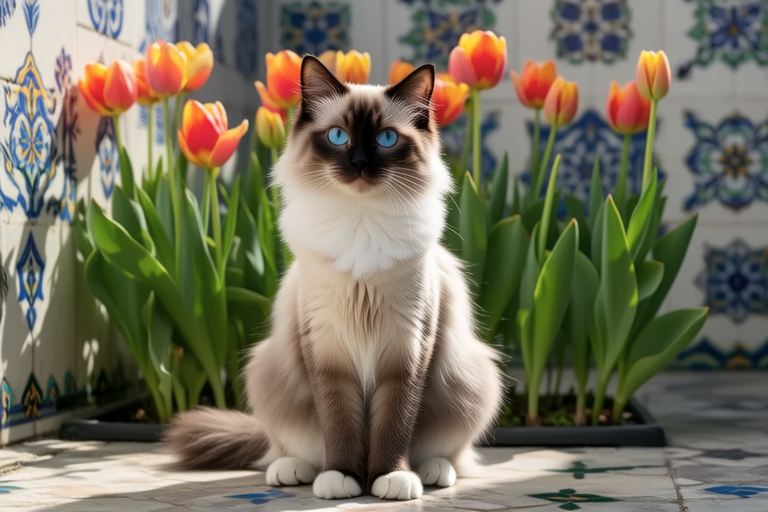
Turkish Angora: The Majestic Feline of Anatolia
The Turkish Angora, a breed of cat renowned for its elegance and grace, has captivated hearts for centuries. Originating from the Anatolian region of modern-day Turkey, this feline is not only a symbol of beauty but also a testament to the rich tapestry of Turkish culture. With a history that stretches back millennia, the Turkish Angora has played a significant role in folklore, art, and everyday life. This article delves into the breed’s origins, physical characteristics, temperament, cultural importance, and essential care tips.
Origins in Anatolia
The Turkish Angora traces its roots back to the ancient lands of Anatolia, where it has been cherished by locals for its striking appearance and gentle nature. Historians and geneticists believe that the breed descended from the wild cats native to the region, evolving over time to become the refined and beloved pet we know today. The breed’s name reflects its geographical origin, with “Angora” being a former name for Ankara, the capital city of Turkey.
Distinctive Physical Traits
One cannot discuss the Turkish Angora without mentioning its iconic physical features. These cats are medium-sized, slender, and graceful, with long legs and a lithe body that allows them to be both agile and elegant. Their heads are triangular, adorned with large, expressive eyes that come in various colors, including blue, green, gold, and even heterochromia (two different colored eyes). The most striking feature of the Turkish Angora is undoubtedly its luxurious, silky coat, which comes in a wide array of colors and patterns.
Unique Coat Characteristics
The coat of the Turkish Angora is one of its defining features. It is semi-longhaired, meaning it is longer than that of a short-haired cat but shorter than that of a fully longhaired breed. The texture is fine and silky, and it requires minimal grooming due to its non-matting quality. The breed is known for its stunning color variations, ranging from solid whites to tortoiseshells, tabbies, and even rare colors like chocolate and lilac. The white Turkish Angora, in particular, is highly valued for its purity of color and often plays a significant role in breeding programs.
Temperament, Intelligence, and Adaptability
Beyond their physical beauty, Turkish Angoras are celebrated for their engaging personalities. They are known for their playful and curious nature, always ready to explore new environments and engage in interactive play. Despite their independent streak, they are affectionate and bond closely with their human companions. This breed thrives on attention and enjoys spending time with their families, making them ideal pets for those who can provide consistent interaction.
Intelligence is another hallmark of the Turkish Angora. They are quick learners and enjoy solving puzzles and playing games that challenge their minds. Their adaptability makes them suitable for various living situations, whether it’s a bustling household with children or a quieter home environment. However, they do require mental stimulation to prevent boredom, so providing toys and activities that keep them engaged is crucial.
Historical Significance and Cultural Role
The Turkish Angora has been a part of Turkish culture for centuries, featuring prominently in art, literature, and mythology. In Turkish folklore, the white Turkish Angora is often associated with good luck and protection, believed to ward off evil spirits. Legends speak of these cats as sacred guardians, capable of bringing fortune and prosperity to their homes.
Historically, the Turkish Angora was highly prized by royalty and nobility. During the Ottoman Empire, these cats were kept in palaces and presented as gifts to foreign dignitaries. Their regal presence and refined demeanor made them symbols of prestige and luxury. Today, the Turkish Angora continues to be revered in its homeland, with many Turkish citizens taking pride in owning and breeding this majestic breed.
Care Tips for Owners
Owning a Turkish Angora is a rewarding experience, but it does come with certain responsibilities. Proper care and attention ensure that your feline companion remains healthy and happy. Regular grooming is essential, although the breed’s coat requires less maintenance compared to fully longhaired breeds. Brushing once or twice a week helps remove loose fur and prevents matting.
Providing a balanced diet rich in nutrients is crucial for maintaining their health. Consult with a veterinarian to determine the appropriate diet based on your cat’s age, weight, and activity level. Fresh water should always be available, and regular access to clean litter boxes is necessary for hygiene.
Exercise and mental stimulation are vital for keeping your Turkish Angora physically fit and mentally engaged. Interactive toys, climbing structures, and puzzle feeders can help satisfy their natural curiosity and energy levels. Additionally, regular veterinary check-ups are important for early detection and management of potential health issues.
Health Considerations
While generally healthy, Turkish Angoras can be prone to certain genetic conditions. Hypertrophic cardiomyopathy (HCM), a heart disease that affects the heart muscle, is one of the most common health concerns in this breed. Regular veterinary screenings can help monitor heart health and manage the condition if it arises.
Another consideration is the breed’s sensitivity to anesthesia. Due to their slender bodies and delicate constitutions, Turkish Angoras may require special precautions during surgical procedures. Discussing this with your veterinarian before any planned surgeries is advisable.
Despite these potential health issues, the Turkish Angora remains a robust and resilient breed when provided with proper care and attention. Their longevity, combined with their vibrant personalities, ensures years of companionship and joy for their owners.
Conclusion
The Turkish Angora stands as a testament to the enduring allure of feline grace and beauty. From its origins in the ancient lands of Anatolia to its current status as a cherished companion, this breed has left an indelible mark on Turkish culture and the hearts of cat lovers worldwide. With their striking appearance, intelligent demeanor, and loving nature, Turkish Angoras continue to captivate and inspire admiration. By understanding and addressing their specific needs, owners can ensure that these majestic felines lead happy, healthy lives.
