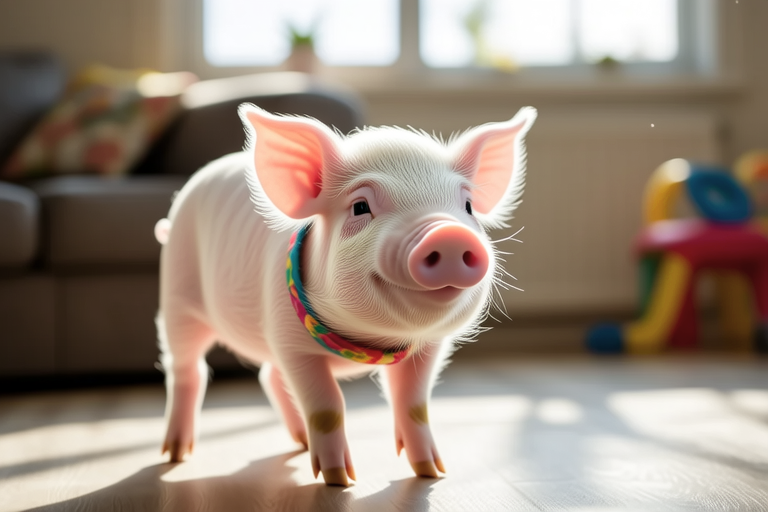
From Micro to Macro: Transforming Mini Pigs into Family Stars
Welcome to a heartwarming journey of integrating mini pigs into family life. This comprehensive guide will walk you through the process of choosing the right mini pig, essential care tips, effective training techniques, common health issues, and how these intelligent animals can become beloved family members. We’ll also share real-life transformations and success stories to inspire potential owners.
Selecting Your Mini Pig
Choosing the right mini pig is the first step towards a successful integration into your family. Mini pigs come in various breeds and sizes, so it’s crucial to understand what each breed entails. Some popular breeds include the Vietnamese pot-bellied pig, which is known for its smaller size and friendly demeanor. Consider the space available in your home, as some mini pigs can grow larger than expected. Always adopt from reputable breeders or rescue organizations to ensure ethical sourcing.
It’s important to meet the piglet before adopting. Observe their behavior and temperament to ensure they are well-socialized and healthy. A calm, curious piglet with bright eyes and a clean coat is a good sign. Additionally, ask about the piglet’s lineage and any health issues that run in the family.
Essential Care Tips
Mini pigs require specific care to thrive. Their diet should consist of high-quality pig feed, supplemented with fresh fruits and vegetables. Avoid feeding them chocolate, avocados, and other harmful foods. Regular exercise is vital for maintaining their physical and mental health. Provide them with a safe, spacious area to explore and play.
Hygiene is equally important. Mini pigs need regular grooming, especially during shedding seasons. Bathe them every few months or when necessary, and keep their living area clean. Nail trimming and ear cleaning are part of routine maintenance. Consult a veterinarian for proper techniques and frequency.
Socialization is key to ensuring your mini pig becomes a well-adjusted family member. Introduce them to different people, environments, and situations gradually. Positive reinforcement and patience are essential during this process. Encourage gentle interactions and reward good behavior with treats and praise.
Training Techniques
Mini pigs are highly intelligent and trainable animals. Basic commands like ‘sit,’ ‘stay,’ and ‘come’ can be taught using positive reinforcement methods. Start with short, fun training sessions and gradually increase the duration. Use treats and verbal praise to reward desired behaviors.
Housebreaking is an essential skill for mini pigs. Establish a consistent routine and designate a specific area for bathroom breaks. Praise and treats for correct behavior will reinforce the learning process. Be patient and consistent; accidents may happen, but they are part of the learning curve.
Behavioral challenges such as digging, chewing, or excessive vocalization can be addressed through redirection and proper training. Offer alternative activities, such as toys or puzzles, to keep them mentally stimulated and reduce boredom-related behaviors.
Common Health Issues
Like all pets, mini pigs are susceptible to certain health issues. Common conditions include obesity, dental problems, and respiratory infections. Regular veterinary check-ups are crucial for early detection and treatment. Vaccinations and parasite control are also important aspects of preventive care.
Obesity is a significant concern for mini pigs, as it can lead to joint problems, heart disease, and reduced lifespan. Monitor their weight and adjust their diet accordingly. Dental care is another critical aspect of their health. Provide chew toys and regular dental check-ups to prevent tooth decay and gum disease.
Respiratory infections can occur due to environmental factors or stress. Keep their living area clean and well-ventilated. If symptoms persist, consult a veterinarian for appropriate treatment.
Real-Life Transformations and Success Stories
Meet Bella, a once-shy mini pig who has transformed into a confident and loving family member. Adopted at six weeks old, Bella was initially timid and reserved. Through consistent socialization and positive reinforcement training, she has become a playful and affectionate companion. Her owners credit her transformation to their dedication and patience. Today, Bella enjoys playing with her siblings and cuddling with her human family.
Another inspiring story is that of Charlie, a mini pig who was adopted at three months old. Initially, Charlie had difficulty adjusting to his new home. With the help of a professional trainer, Charlie learned basic commands and became housebroken. His owners noticed a significant improvement in his behavior after implementing a structured routine and providing mental stimulation. Today, Charlie is a beloved family member, participating in daily walks and family gatherings.
Conclusion
Integrating mini pigs into family life requires commitment, patience, and love. By selecting the right mini pig, providing essential care, and utilizing effective training techniques, you can create a happy and healthy environment for your new family member. Real-life success stories demonstrate the transformative power of love and dedication. Embrace the journey of transforming mini pigs into family stars, and enjoy the rewarding experience of having a loyal and intelligent companion by your side.
