From Forests to Foyers: The Majestic Journey of Maine Coons
The Maine Coon, one of the largest domesticated breeds of cats, has a fascinating history that begins in the dense forests of North America. Known for their adaptability to harsh, cold climates, these felines have evolved over centuries to thrive in the wild. This article delves into the origins, physical characteristics, social nature, and the journey of Maine Coons from rural settings to becoming beloved household pets.
Origins in the Wild
While the exact origins of the Maine Coon remain a mystery, several theories exist. One popular belief is that they descended from long-haired cats brought to America by European settlers. These cats likely mated with local shorthaired breeds, creating a robust and hardy breed capable of surviving in the rugged New England climate. Their natural habitat was the thickly forested areas of Maine, where they hunted small game and kept rodents at bay.
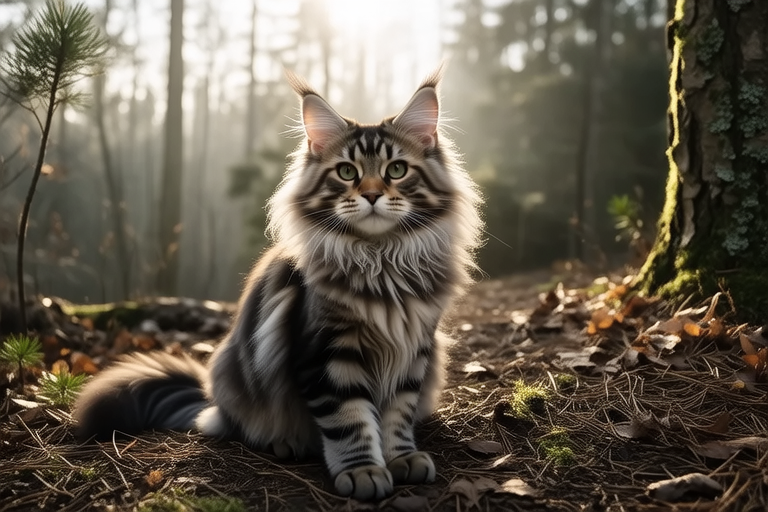
Maine Coons’ adaptation to cold weather is evident in their physical features. Their thick, water-resistant coat, which comes in various colors and patterns, serves as insulation against harsh winters. Additionally, their large paws act like snowshoes, enabling them to move gracefully over snow. This combination of physical traits makes them well-suited to life in the wilderness.
Physical Characteristics
Maine Coons are known for their striking appearance. They are generally large, with males weighing between 13-18 pounds and females slightly smaller. Their most distinctive feature is their luxurious, semi-longhaired coat, which is shorter on the shoulders and longer on the stomach and flanks. This coat is designed to repel water, making them excellent swimmers.
Another notable trait is their tufted ears and tail. The ear tufts help protect their sensitive hearing from the cold, while the bushy tail provides warmth and balance. Their eyes, typically green or gold, are large and expressive, adding to their majestic appearance. Despite their large size, Maine Coons are surprisingly agile, thanks to their muscular bodies and strong legs.
Sociable and Friendly Nature
Beyond their physical attributes, Maine Coons are renowned for their friendly and sociable nature. Unlike some other cat breeds, they enjoy human companionship and often seek it out. They are affectionate without being overly demanding, making them ideal family pets. Maine Coons are also known for their playful behavior, often engaging in activities that might be more typical of dogs, such as fetching toys or walking on a leash.
This breed’s sociability extends beyond humans; they get along well with other pets, including dogs. Their calm demeanor and patience make them great companions for households with children. Maine Coons are intelligent and can learn simple commands and tricks, further enhancing their appeal as interactive and entertaining pets.
Journey to Popularity
Once confined to the rural regions of Maine, the Maine Coon has become a popular breed across the United States and internationally. Their unique appearance and gentle temperament have captured the hearts of many cat lovers. The breed gained official recognition from the Cat Fanciers’ Association (CFA) in 1976, marking a significant milestone in its journey from a regional favorite to a global sensation.
The rise in popularity of the Maine Coon can also be attributed to their role in various cat shows and competitions. Their striking presence and impressive size have made them standouts in these events, further increasing their visibility and desirability. Today, Maine Coons are found in homes around the world, cherished for their beauty and companionship.
Caring for Your Maine Coon
For those considering adopting a Maine Coon, understanding their specific care needs is crucial. While they are generally healthy, regular veterinary check-ups are essential to monitor their overall well-being. Maine Coons are prone to certain genetic conditions, such as hip dysplasia and cardiomyopathy, so early detection and management are vital.
Grooming is another important aspect of caring for a Maine Coon. Their thick coats require weekly brushing to prevent matting and reduce shedding. Using a slicker brush and a comb can help maintain their coat’s health and shine. Bathing should be done infrequently, as over-bathing can strip their coat of natural oils.
Dietary needs should be tailored to their age and activity level. High-quality, protein-rich cat food is recommended to support their muscular build. Fresh water should always be available, and treats should be given sparingly to avoid weight gain. Regular exercise is also important, especially for indoor cats. Interactive toys and climbing structures can help keep them active and mentally stimulated.
Conclusion
The Maine Coon’s journey from the forests of Maine to the cozy foyers of homes worldwide is a testament to their resilience and charm. Their adaptability, combined with their friendly and sociable nature, has made them one of the most beloved cat breeds. For those looking to bring a Maine Coon into their lives, understanding their specific needs will ensure a long and happy relationship. Whether you’re a seasoned cat enthusiast or a newcomer to the breed, the Maine Coon offers a unique and rewarding experience that will captivate your heart.
