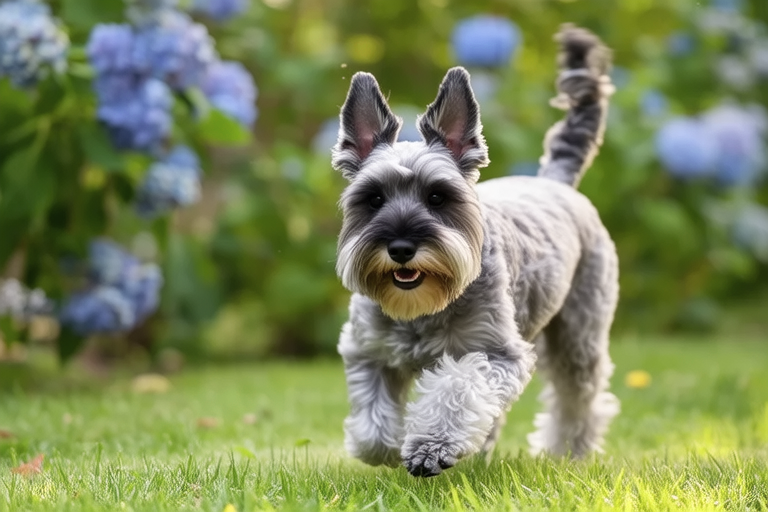
The Ultimate Guide to Raising a Happy and Healthy Schnauzer
Welcome to your comprehensive guide on raising a happy and healthy Schnauzer! As one of the most popular breeds in the world, Schnauzers are known for their distinctive beards, lively personalities, and intelligence. To ensure that your Schnauzer leads a long, fulfilling life, it’s important to understand their unique needs in terms of diet, exercise, grooming, health, training, and socialization. This guide will cover all these aspects and more, providing you with practical, actionable advice.
Diet and Nutrition
Feeding your Schnauzer a balanced diet is crucial for maintaining optimal health. Schnauzers are prone to certain health conditions like bladder stones and diabetes, so it’s important to choose a high-quality food that suits their specific needs. Consult with your veterinarian to determine the best type of food for your Schnauzer, whether it’s dry kibble, wet food, or a raw diet. Avoid foods high in sugar and salt, as these can contribute to weight gain and other health issues.
Schnauzers are generally active dogs, so they require a diet rich in protein and fat to fuel their energy levels. However, overfeeding can lead to obesity, which increases the risk of joint problems and other health issues. Monitor your Schnauzer’s weight and adjust portion sizes accordingly. Provide fresh water at all times and avoid giving them table scraps or human food, as these can cause digestive upset.
Exercise Routines
Schnauzers are an energetic breed that requires regular exercise to stay healthy and happy. Daily walks, playtime, and mental stimulation are essential for keeping your Schnauzer fit and engaged. Schnauzers enjoy activities such as agility training, fetch, and puzzle toys. However, be mindful of their energy levels, as too much exercise can lead to exhaustion or injury.
Consider enrolling your Schnauzer in obedience classes or agility training to keep them mentally stimulated. These activities also provide an opportunity for socialization and bonding with your dog. Always supervise your Schnauzer during outdoor activities to prevent accidents or injuries.
Grooming Tips
Schnauzers have a double coat that requires regular grooming to maintain its appearance and prevent matting. Brush your Schnauzer at least twice a week to remove loose hair and prevent tangles. Use a slicker brush for the undercoat and a bristle brush for the outer coat. Pay special attention to areas prone to matting, such as behind the ears and around the tail.
Bathing your Schnauzer every four to six weeks is recommended, but avoid bathing too frequently, as this can strip the natural oils from their skin. Use a mild shampoo specifically formulated for dogs and rinse thoroughly to avoid any residue. After bathing, blow-dry your Schnauzer to prevent matting and keep them warm.
The most distinctive feature of a Schnauzer is its beard, which requires extra care. Clean your Schnauzer’s beard daily to prevent food buildup and bad breath. Use a damp cloth or baby wipes to gently wipe the area, and trim any excess hair if necessary.
Common Health Issues
Schnauzers are generally healthy dogs, but they are prone to certain genetic conditions. Regular veterinary check-ups can help catch potential health issues early. Some common health concerns include:
- Bladder Stones: Schnauzers are predisposed to developing bladder stones, which can cause urinary tract infections and blockages. Monitor your Schnauzer’s urination habits and consult with your veterinarian if you notice any changes.
- Diabetes: Schnauzers are at higher risk for diabetes, particularly if they are overweight. Keep your Schnauzer’s weight in check and monitor their blood glucose levels if necessary.
- Portosystemic Shunt: This condition affects liver function and can lead to behavioral changes and stunted growth. Early diagnosis and treatment are crucial for managing this condition.
- Allergies: Schnauzers can develop allergies to food, pollen, or environmental factors. Watch for signs such as itching, redness, or ear infections, and consult with your veterinarian for proper diagnosis and treatment.
Training Methods
Schnauzers are intelligent and eager to please, making them relatively easy to train. However, they can also be stubborn and independent, so consistency and positive reinforcement are key. Start training your Schnauzer as early as possible, ideally between 8 and 12 weeks of age. Use treats, praise, and play as rewards for good behavior, and avoid harsh punishment or negative reinforcement.
Basic commands such as sit, stay, come, and down are essential for any dog, but Schnauzers can also learn more advanced tricks and commands with patience and practice. Consider enrolling your Schnauzer in obedience classes or hiring a professional trainer for additional support.
Socialization Techniques
Socializing your Schnauzer is important for building confidence and preventing aggression. Expose your Schnauzer to various environments, people, and animals from an early age to help them become comfortable in different situations. Take your Schnauzer to dog parks, pet stores, and other public places to meet new friends and build social skills.
Encourage positive interactions with strangers and other animals, and always supervise your Schnauzer during socialization activities. If your Schnauzer shows signs of fear or aggression, consult with a professional trainer for guidance on how to address these behaviors.
Advice for Different Life Stages
Puppyhood (0-1 Year)
Raising a Schnauzer puppy requires extra care and attention. Puppies are curious and playful, so it’s important to provide them with plenty of mental and physical stimulation. Socialize your puppy early and often, and start basic training as soon as possible. Choose a high-quality puppy food that supports healthy growth and development, and monitor their weight to prevent obesity.
Be prepared for teething and chewing, as puppies tend to explore their environment with their mouths. Provide appropriate chew toys and redirect any inappropriate chewing behavior. Crate training can be helpful for housebreaking and providing a safe space for your puppy.
Adulthood (1-6 Years)
During adulthood, Schnauzers are generally healthy and active. Continue to provide regular exercise and mental stimulation to keep your Schnauzer engaged and happy. Monitor their weight and adjust their diet as needed to prevent obesity. Regular grooming and dental care are also important for maintaining their appearance and overall health.
Continue to reinforce good behavior through positive reinforcement and training. Adult Schnauzers may benefit from advanced obedience classes or agility training to challenge their minds and bodies.
Senior Years (7+ Years)
As Schnauzers age, their activity levels may decrease, and they may experience joint pain or other health issues. Adjust their exercise routine accordingly and provide soft bedding for comfort. Senior Schnauzers may also benefit from joint supplements or prescription diets to support their health.
Regular veterinary check-ups are essential for monitoring your Schnauzer’s health and addressing any potential issues early. Be patient and understanding as your Schnauzer ages, and provide extra love and attention to ensure they remain happy and comfortable.
Conclusion
Raising a happy and healthy Schnauzer requires dedication, patience, and a deep understanding of their unique needs. By following the advice outlined in this guide, you can provide your Schnauzer with the best possible care throughout all stages of life. Remember to consult with your veterinarian for personalized advice and support, and always prioritize your Schnauzer’s well-being. With proper care and attention, your Schnauzer will live a long, fulfilling life full of joy and companionship.
