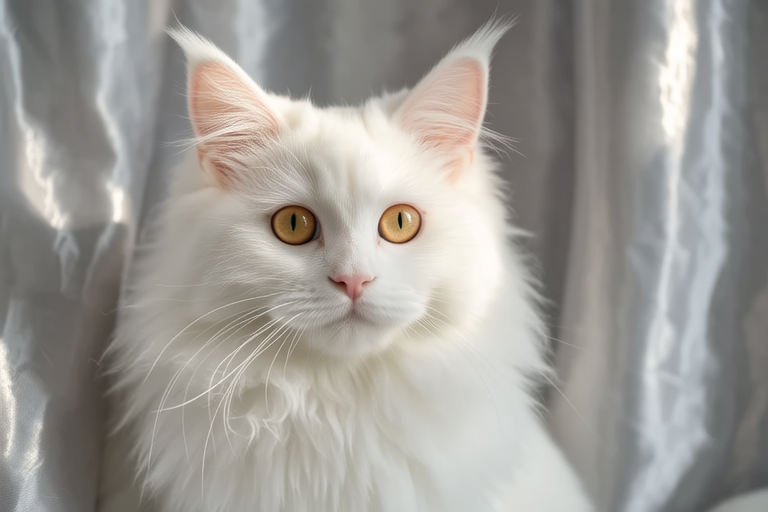
The Secret Behind the Silk Coat of Turkish Angora Cats
The Turkish Angora is a breed of cat that has captured the hearts of cat lovers around the world. With its elegant appearance and striking coat, this breed has a rich history and cultural significance. In this article, we will explore the secret behind the silky coat of the Turkish Angora, delving into the genetic factors that contribute to its texture and color, as well as proper grooming techniques to maintain its health.
Introduction to the Turkish Angora Breed
The Turkish Angora is a breed of cat that originated in central Turkey. This breed has been recognized for centuries and has played a significant role in Turkish culture and mythology. The Turkish Angora is known for its long, silky coat, which comes in a variety of colors and patterns. The breed is also known for its graceful movements and friendly demeanor. The Turkish Angora is a medium-sized cat with a slender build and large, pointed ears. Its eyes are almond-shaped and can be blue, green, or a combination of both.
Genetic Factors Contributing to the Silky Coat
The silky coat of the Turkish Angora is due to several genetic factors. One of the most important genes involved in coat texture is the gene that codes for keratin, a protein found in hair. The keratin gene in Turkish Angoras produces a type of keratin that is finer and more elastic than in other breeds, giving the coat its silky texture. Another gene that contributes to the coat’s appearance is the gene that controls hair length. In Turkish Angoras, this gene produces longer hair than in other breeds, resulting in a luxurious, flowing coat.
In addition to coat texture and length, there are genes that control coat color and pattern. The Turkish Angora comes in a wide range of colors, from white to black, and in a variety of patterns, including tabby, tortoiseshell, and bi-color. The genetics behind these colors and patterns are complex and involve multiple genes. For example, the gene that produces white fur in Turkish Angoras is dominant, while the genes that produce other colors are recessive. This means that a cat with one copy of the white gene and one copy of a recessive color gene will have white fur, but the recessive color gene can still be passed on to offspring.
Proper Grooming Techniques
To keep the silky coat of a Turkish Angora healthy and beautiful, regular grooming is essential. The breed’s long, fine hair is prone to tangling and matting, so daily brushing is recommended. A soft-bristled brush or a slicker brush can be used to remove loose hair and prevent mats. In addition to brushing, bathing is necessary every few months to keep the coat clean and free of dirt and oils. When bathing a Turkish Angora, it is important to use a gentle shampoo designed for cats and to avoid getting water in its ears or eyes.
Trimming the nails and cleaning the ears are also important aspects of grooming a Turkish Angora. Regular nail trimming helps prevent overgrowth and discomfort, while cleaning the ears prevents infections and buildup of wax and debris. It is also important to check the eyes and mouth regularly for signs of infection or irritation. If any issues are detected, it is important to consult a veterinarian for treatment.
Mythological and Cultural Importance
The Turkish Angora has played an important role in Turkish culture and mythology for centuries. In Turkish mythology, the cat is considered a symbol of good luck and protection. According to legend, the Turkish Angora was created by the goddess Hecate, who was known for her power over the moon and stars. In Turkish folklore, the cat is often associated with the moon and is believed to have magical powers. The Turkish Angora is also mentioned in Turkish literature and art, where it is often depicted as a symbol of elegance and grace.
In addition to its mythological significance, the Turkish Angora has played an important role in Turkish culture. The breed was highly prized by Ottoman sultans and was kept as a pet by royalty and nobility. The Turkish Angora was also used in breeding programs to develop new breeds of cats, including the Persian and the Chinchilla. Today, the Turkish Angora is still highly valued in Turkey and is considered a national treasure.
Tips for Potential Owners
If you are considering adopting a Turkish Angora, there are several things to keep in mind to ensure that you provide the best care for your new pet. First, it is important to understand the breed’s grooming needs and to be prepared to dedicate time and effort to keeping its coat healthy and beautiful. Regular brushing and bathing are essential, as is checking for signs of matting, infection, or irritation.
Another important consideration when adopting a Turkish Angora is its diet. A high-quality, balanced diet is essential for maintaining the health of your cat’s coat and overall well-being. Consult with a veterinarian to determine the best diet for your cat based on its age, weight, and activity level. In addition to a proper diet, regular veterinary care is essential for keeping your cat healthy. This includes routine check-ups, vaccinations, and dental care.
Finally, it is important to provide your Turkish Angora with plenty of love and attention. These cats are social animals and thrive on human interaction. Spend time playing with your cat, providing mental and physical stimulation, and building a strong bond. By providing proper care and attention, you can help your Turkish Angora live a long, healthy, and happy life.
In conclusion, the Turkish Angora is a breed of cat with a rich history and cultural significance. Its silky coat is due to several genetic factors, including genes that control keratin production, hair length, and coat color and pattern. Proper grooming techniques, including regular brushing and bathing, are essential for maintaining the health and beauty of the Turkish Angora’s coat. In addition to its physical characteristics, the Turkish Angora has played an important role in Turkish mythology and culture. By understanding the breed’s needs and providing proper care, you can enjoy the beauty and companionship of a Turkish Angora for many years to come.
