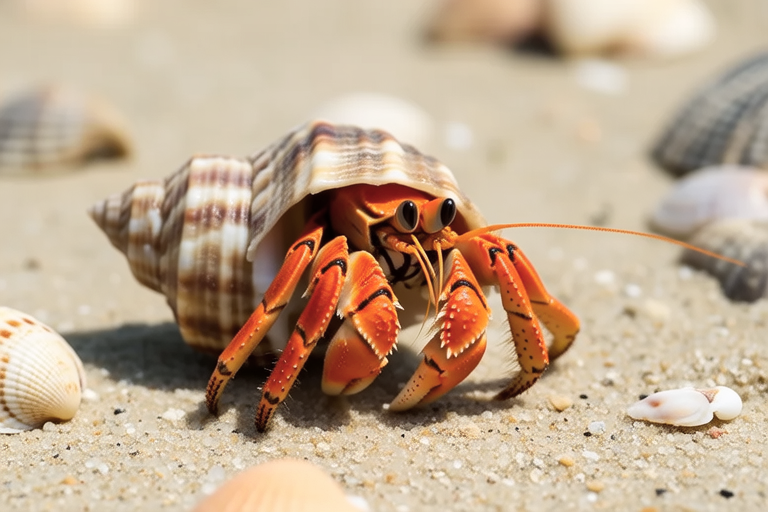
Uncovering the Mysteries of Hermit Crab Shell Swapping
Introduction:
Hermit crabs, with their distinctive appearance and intriguing behavior, have long fascinated marine biologists and nature enthusiasts alike. Unlike other crustaceans that grow their own protective exoskeletons, hermit crabs rely on second-hand homes – seashells. This unique adaptation allows them to protect their soft abdomens from predators and harsh environmental conditions. The act of adopting and swapping these shells is both a survival mechanism and a fascinating study in animal behavior.
The shells hermit crabs inhabit are originally occupied by gastropods, such as snails, which eventually vacate them when they outgrow their current dwelling or die. Hermit crabs, ever resourceful, make use of these abandoned shells, ensuring their safety and comfort. This reliance on external structures for protection sets hermit crabs apart from many of their aquatic counterparts and has led to the development of complex behaviors around shell selection and swapping.
The Process of Shell Swapping:
Shell swapping is a critical aspect of hermit crab life, directly tied to their growth and survival. As hermit crabs grow larger, they need to find new, larger shells to accommodate their expanding bodies. This search for a suitable shell can be a lengthy and challenging process, involving careful examination of potential candidates to ensure the best fit.
The criteria for selecting a new shell vary but generally include size, shape, weight, and overall condition. A well-fitting shell ensures the hermit crab’s safety and mobility. Once a hermit crab finds a suitable shell, it must displace the current occupant, often another hermit crab. This displacement can lead to competitive interactions and sometimes even violent confrontations.
Hermit crabs employ various strategies to secure a new home. Some crabs will patiently wait for an opportunity to present itself, while others actively seek out vacant shells. In some cases, hermit crabs will even engage in cooperative behavior, where smaller crabs will assist larger ones in displacing their current occupants. This cooperative behavior showcases the complexity and adaptability of hermit crab social dynamics.
Environmental Factors Influencing Shell Availability and Competition:
The availability of suitable shells is heavily influenced by environmental factors, including the abundance of gastropod species, ocean currents, and human activities. Gastropods thrive in diverse marine environments, from shallow coastal waters to deep-sea habitats. However, overfishing, pollution, and climate change pose significant threats to their populations, reducing the number of available shells.
Ocean currents play a crucial role in the distribution of gastropod shells. Strong currents can transport shells far from their original locations, creating opportunities for hermit crabs in distant areas. Conversely, weak currents may result in a localized depletion of shells, leading to increased competition among hermit crabs. Human activities, particularly coastal development and the collection of shells for decorative purposes, further exacerbate this issue.
Competition for shells can be fierce, especially during times of scarcity. Hermit crabs may resort to aggressive tactics, such as shoving or biting, to displace rivals. These confrontations highlight the importance of shell availability and the lengths hermit crabs will go to secure a safe and comfortable home. The presence of empty shells is vital for maintaining healthy hermit crab populations.
Symbiotic Relationships Within Shells:
Hermit crabs often form symbiotic relationships with other organisms within their shells, enhancing their chances of survival and reproduction. One notable example is the relationship between hermit crabs and sea anemones. Sea anemones attach themselves to the exterior of the hermit crab’s shell, providing camouflage and additional protection against predators. In return, the anemone benefits from the movement of the hermit crab, gaining access to more food sources.
Another symbiotic relationship involves the hermit crab’s interaction with certain types of algae. Algae growing on the shell can provide additional camouflage and help to deter predators. Additionally, some hermit crabs have been observed carrying small pieces of coral or other materials, which may serve similar purposes. These relationships underscore the intricate web of dependencies within marine ecosystems and the adaptability of hermit crabs in utilizing their environment to their advantage.
The Implications of Habitat Changes on Hermit Crab Populations and Shell Accessibility:
The increasing threat of habitat destruction and climate change poses significant challenges for hermit crab populations and the availability of suitable shells. Coastal development, pollution, and rising sea temperatures disrupt the delicate balance of marine ecosystems, affecting the abundance and distribution of gastropods and, consequently, the availability of shells for hermit crabs.
As habitats degrade, hermit crabs face greater competition for limited resources, potentially leading to population declines. Furthermore, changes in water temperature and acidity can affect the structural integrity of shells, making them less suitable for hermit crabs. Addressing these challenges requires concerted efforts to protect marine environments and promote sustainable practices.
In conclusion, the behavior of hermit crabs adopting and swapping shells is a testament to their adaptability and ingenuity. By understanding the complexities of this behavior, we gain valuable insights into the broader dynamics of marine ecosystems. Protecting the habitats and resources that support hermit crabs is essential for preserving the rich biodiversity of our oceans.
Exploring the mysteries of hermit crab shell swapping not only enriches our knowledge of marine biology but also underscores the importance of conservation efforts. By fostering a deeper appreciation for these remarkable creatures, we can work towards safeguarding their future and the health of our planet’s marine environments.
