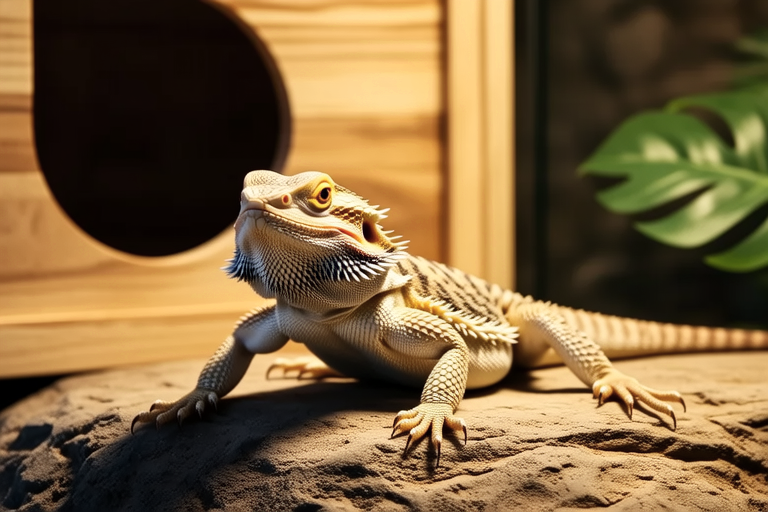
How to Make Your Bearded Dragon the Happiest Reptile on the Block!
Welcome to the wonderful world of bearded dragons! These captivating creatures are popular pets for both novice and seasoned reptile enthusiasts. With the right care and attention, you can ensure your bearded dragon leads a long, healthy, and fulfilling life. This guide will walk you through the essential steps to create a thriving environment for your scaly friend, covering everything from habitat setup to diet and health.
Optimal Habitat Setup
The first step in making your bearded dragon the happiest reptile on the block is to set up its habitat correctly. A well-planned enclosure provides a safe, comfortable space where your pet can thrive. Start by selecting a tank that’s at least 40 gallons for one adult bearded dragon and increase the size if you plan to house multiple dragons. The tank should have a secure screen top to allow for proper ventilation.
Within the enclosure, include various elements to mimic the natural environment of a bearded dragon. Place a sturdy branch or rock structure for climbing, as bearded dragons love to bask and climb. Adding a hide box or two—preferably one on each side of the tank—is also crucial. These provide your dragon with a sense of security and privacy. Opt for hides made of cork bark or half logs, ensuring they’re spacious enough for your dragon to fully enter and comfortably fit inside.
In addition to these basic structures, consider adding live or artificial plants to the tank. Not only do plants enhance the aesthetic appeal of the enclosure, but they also offer additional climbing opportunities and help maintain humidity levels. Be sure to choose non-toxic plant species specifically recommended for reptile habitats.
Temperature and Lighting Requirements
Maintaining the correct temperature gradient within the enclosure is vital for your bearded dragon’s overall health. Dragons are ectothermic, meaning they rely on external heat sources to regulate their body temperature. Therefore, providing a range of temperatures allows them to thermoregulate effectively.
The basking spot should reach between 95°F and 110°F (35°C to 43°C), while the cooler end of the tank should remain around 75°F to 85°F (24°C to 29°C). Achieve this temperature gradient using a combination of heat lamps, ceramic heat emitters, and under-tank heaters. Always monitor temperatures with digital thermometers placed at different points throughout the enclosure.
Proper lighting is equally important for your bearded dragon’s well-being. Bearded dragons require UVB light to synthesize vitamin D3, which aids in calcium absorption and prevents metabolic bone disease. Install a high-quality UVB bulb designed for reptiles, ensuring it covers at least 75% of the tank. Replace the bulb every six months, even if it still appears functional, to guarantee adequate UVB output.
Additionally, provide a full-spectrum fluorescent bulb for general lighting. This simulates natural daylight, promoting healthy behaviors such as basking and eating. Ensure all lights are positioned correctly and are securely fastened to prevent any risk of fire or injury.
Appropriate Diet
A balanced diet is key to keeping your bearded dragon happy and healthy. In the wild, bearded dragons consume a variety of insects and vegetation. Replicate this diet as closely as possible in captivity.
The primary component of your dragon’s diet should be a mix of insects and vegetables. Offer crickets, dubia roaches, and mealworms as protein sources, dusting them with a calcium supplement before feeding. Feed young dragons daily, reducing the frequency as they mature. Adults generally require feeding three to four times per week.
Vegetables should make up about 20-30% of your dragon’s diet. Safe options include collard greens, mustard greens, turnip greens, squash, and bell peppers. Avoid feeding spinach, cabbage, or iceberg lettuce, as these can cause digestive issues. Serve vegetables fresh and thoroughly washed to remove any pesticides or chemicals.
Hydration is also crucial. Bearded dragons obtain most of their water through their food, but you can encourage drinking by misting the enclosure daily or providing a shallow dish of clean water. Some dragons may lap water directly from the dish, while others prefer to drink droplets sprayed onto leaves or rocks.
Handling Techniques
Bearded dragons are generally docile and enjoy gentle interactions with their owners. However, proper handling techniques are necessary to ensure both your safety and your dragon’s comfort.
When picking up your bearded dragon, always support its entire body, including the torso and limbs. Avoid grabbing the tail, as this can lead to injury. Approach your dragon slowly and calmly, allowing it time to adjust to your presence. If your dragon puffs out its beard or darkens its color, it may feel threatened or stressed. In such cases, give it some space and try again later.
Regular handling helps your dragon become accustomed to human interaction, making future sessions easier and more enjoyable. Start with short, frequent sessions and gradually increase the duration as your dragon becomes more comfortable. Always handle your dragon with care and respect, ensuring it remains calm and relaxed throughout the process.
Creating a Stimulating Environment
To keep your bearded dragon mentally and physically engaged, it’s essential to provide a stimulating environment. In addition to the basic structures mentioned earlier, incorporate enrichment activities that challenge your dragon’s senses and encourage exploration.
Rotate toys and decorations periodically to maintain interest. Consider introducing puzzle feeders or treat-dispensing toys that require your dragon to manipulate objects to access food. These activities not only provide mental stimulation but also promote physical activity, helping to prevent obesity and other health issues.
Interactive playtime with your dragon can also contribute to its happiness. Spend quality time together, offering treats or simply observing its behavior. Engaging with your dragon strengthens your bond and ensures it feels secure and valued.
Social Interaction and Signs of a Happy, Healthy Bearded Dragon
Bearded dragons are generally solitary animals, so they don’t necessarily need companionship from other bearded dragons. However, regular interaction with their owner can greatly enhance their quality of life. Establish a routine that includes daily check-ins, feeding times, and gentle handling sessions.
A contented bearded dragon displays several positive behaviors. It will be active during the day, frequently basking under the heat lamp, and show interest in food. A healthy dragon has clear eyes, smooth skin, and strong, alert posture. Regularly inspect your dragon for signs of illness, such as lethargy, loss of appetite, swollen eyes, or abnormal stool. Early detection and intervention can prevent minor issues from escalating into serious health problems.
Common Health Issues to Watch For
Despite your best efforts, bearded dragons may encounter health challenges. Recognizing common issues early can prevent complications and ensure prompt treatment.
Metabolic bone disease (MBD) is one of the most prevalent conditions affecting bearded dragons. Caused by a deficiency in calcium or vitamin D3, MBD results in weakened bones and impaired muscle function. Symptoms include trembling, lethargy, and difficulty moving. Ensuring proper nutrition and adequate UVB exposure can help prevent MBD. If you suspect your dragon is affected, consult a veterinarian specializing in reptiles for diagnosis and treatment.
Respiratory infections can occur due to improper temperature regulation or poor hygiene. Signs include wheezing, nasal discharge, and labored breathing. Maintain optimal environmental conditions and clean the enclosure regularly to minimize the risk. Seek veterinary care immediately if you notice any respiratory symptoms.
Parasites, both internal and external, pose another potential threat. Regular fecal examinations can help detect internal parasites, while visual inspections of the skin can reveal external parasites like mites or ticks. Consult a vet for appropriate diagnostic tests and treatment plans.
Maintaining a clean, hygienic environment is critical for preventing many health issues. Clean the enclosure weekly, removing waste and replacing substrate as needed. Disinfect dishes and accessories regularly to eliminate bacteria and fungi.
Conclusion
By following these guidelines, you can create an ideal living space for your bearded dragon, ensuring it remains happy, healthy, and content. Remember, each dragon is unique, so pay close attention to your pet’s individual needs and preferences. With proper care and attention, your bearded dragon will undoubtedly be the happiest reptile on the block!
