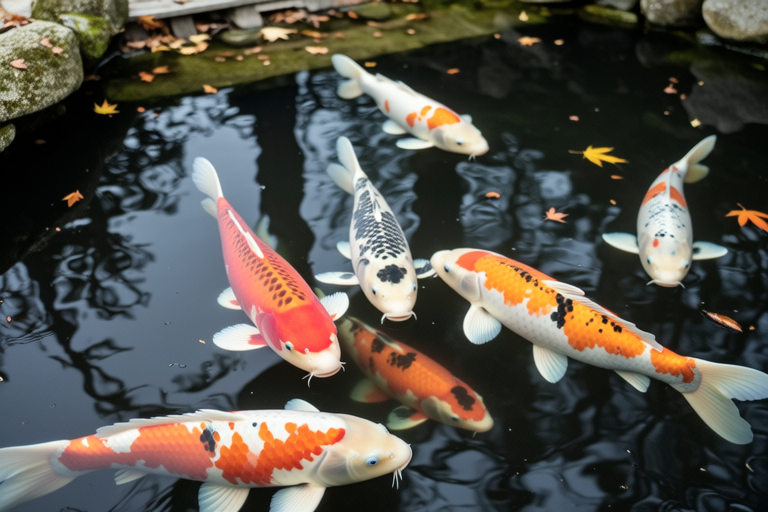
The Ultimate Guide to Feeding and Caring for Your Koi Family
Welcome to the comprehensive guide that will help you provide the best care for your koi fish. Whether you’re a novice or an experienced koi keeper, this article covers all aspects of feeding and caring for your koi family, ensuring they thrive in their aquatic environment.
Selecting Appropriate Food Based on Koi’s Life Stages
Understanding the dietary needs of your koi at different stages of their lives is crucial for their growth and well-being. Here’s a breakdown of what to feed them during each phase:
- Egg-Laying Stage: At this stage, koi rely on natural algae and microorganisms in the pond for sustenance. No additional feeding is necessary.
- Fry Stage (0-3 months): Fry need high-protein diets to support rapid growth. Start with specialized fry food, then gradually introduce larger, nutrient-rich flakes as they grow.
- Juvenile Stage (3-12 months): Juveniles benefit from a balanced diet containing protein, vitamins, and minerals. Choose floating pellets specifically formulated for juveniles.
- Adult Stage (over 1 year): Adult koi require a varied diet to maintain optimal health. Feed them a mix of high-protein pellets, vegetables, and occasional treats like shelled peas or earthworms.
Feeding Schedules
Establishing a consistent feeding schedule helps ensure your koi receive adequate nutrition while maintaining water quality. Follow these guidelines:
- Feed your koi two to three times daily, especially during warmer months when they are more active.
- Avoid overfeeding, which can lead to poor water conditions and health problems. Stop feeding if fish show no interest after five minutes.
- Reduce feeding frequency and quantity during colder periods, as koi become less active and require less food.
Water Quality Maintenance
Maintaining excellent water quality is vital for your koi’s health and longevity. Regular monitoring and proper filtration systems are key components of good water management:
- Test your pond water regularly for pH, ammonia, nitrite, and nitrate levels. Aim for a pH between 6.8 and 8.0, with minimal ammonia and nitrite, and low nitrate levels.
- Install an efficient biological filter to break down harmful substances and maintain healthy bacteria colonies.
- Perform partial water changes weekly, replacing about 10-20% of the total volume to dilute waste products.
Pond Setup Essentials
A well-designed pond provides a safe and comfortable habitat for your koi. Consider these elements when setting up or upgrading your pond:
- Size: Ensure your pond is large enough to accommodate the number of koi you plan to keep. A general rule is one square foot of surface area per inch of fully grown fish.
- Depth: Provide at least 3 feet of depth to allow koi to escape harsh weather conditions and predators.
- Cover: Install a cover or net to protect your koi from birds and other animals.
- Plants: Incorporate aquatic plants to oxygenate the water and provide hiding spots for koi.
- Shade: Position your pond in a partially shaded area or add floating plants to prevent excessive algae growth.
Common Health Issues
Despite your best efforts, koi may still encounter health problems. Recognizing symptoms early can aid in prompt treatment:
- Fin Rot: Characterized by frayed or disintegrating fins, fin rot is often caused by poor water quality or bacterial infections. Treat with antibiotics or antifungal medications.
- Ich (White Spot Disease): Visible as tiny white spots on the body and fins, ich is usually triggered by sudden temperature changes. Raise the water temperature slightly and treat with medication.
- Swim Bladder Disorder: Affected fish may struggle to swim properly due to gas build-up in their swim bladder. Feed them boiled peas to aid digestion and avoid overfeeding.
Preventive Care Tips
Implementing preventive measures can significantly reduce the risk of health issues and improve overall well-being:
- Regular Water Testing: Monitor water parameters frequently and address any imbalances promptly.
- Proper Nutrition: Feed your koi a balanced diet according to their life stages and seasonal changes.
- Hygiene Practices: Clean feeding areas and equipment regularly to prevent the spread of disease.
- Stress Reduction: Minimize stressors such as overcrowding, sudden temperature fluctuations, and aggressive tank mates.
In conclusion, providing proper care for your koi involves understanding their nutritional requirements, maintaining excellent water quality, and addressing potential health concerns proactively. By following the advice outlined in this guide, you’ll be well-equipped to create a thriving environment for your koi family.
