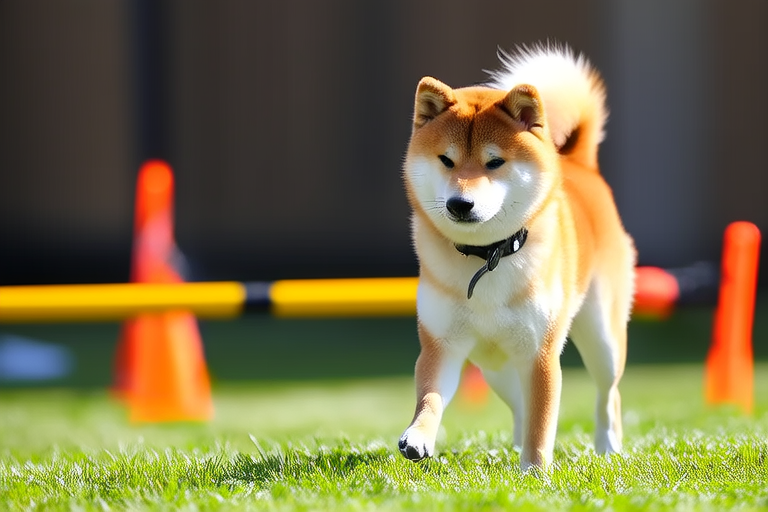
Comprehensive Guide to Training a Spirited Shiba Inu
Understanding the Shiba Inu’s Unique Temperament
The Shiba Inu is a small-to-medium-sized breed known for its independent and spirited nature. Originating from Japan, this breed was originally used for hunting. Shibas are intelligent, alert, and have a strong sense of self. They can be aloof with strangers but are fiercely loyal to their families.
Shibas are known for their fox-like appearance, with a thick double coat that comes in red, black and tan, or sesame (red with black-tipped hairs). Their alert expression and confident demeanor make them charming companions. However, these traits also mean they can be challenging to train, especially if you’re not prepared for their independent streak.
Essential Basic Commands
Teaching your Shiba Inu basic commands is crucial for their safety and well-being. Start with simple commands like “sit,” “stay,” “come,” and “leave it.” Here’s how to teach each command:
- Sit: Hold a treat close to your dog’s nose and slowly move it upwards. As your dog follows the treat, their bottom will naturally lower into a sitting position. Once they sit, give them the treat and praise them.
- Stay: Start by asking your Shiba to sit. Then, take a step back while saying “stay.” If they stay put, reward them with a treat and verbal praise. Gradually increase the distance and time as they get better at staying.
- Come: Use a happy, excited voice when calling your dog. When they come to you, give them lots of praise and a treat. Make sure to always reward them for coming when called, even if it takes a little while.
- Leave It: Place a treat in your closed hand and let your dog sniff it. When they try to take it, say “leave it” and hold your hand still. Once they stop trying to get the treat, open your hand and let them have the treat as a reward.
Effective Positive Reinforcement Techniques Tailored for This Breed
Positive reinforcement is key when training a Shiba Inu. These dogs respond well to rewards like treats, toys, and praise. Avoid harsh punishments, as they can make your Shiba more stubborn and less willing to learn.
- Timing is everything: Reward your Shiba immediately after they perform the desired behavior. This helps them associate the action with the reward.
- Vary the rewards: Use different types of treats and toys to keep your Shiba interested and motivated.
- Be patient: Shibas can be slow learners due to their independent nature. Be consistent and patient, and celebrate small victories along the way.
Real-life example: Sarah had trouble getting her Shiba Inu, Kuma, to come when called. She started by using a clicker and treats every time Kuma came to her. Over time, Kuma learned that coming when called meant getting a treat and praise. Now, Kuma almost always comes when called, making walks much safer and enjoyable.
Managing Their Independence and Stubbornness
Shibas are known for being independent and sometimes stubborn. To manage this, it’s important to establish yourself as the leader while remaining calm and patient. Here are some tips:
- Consistency: Be consistent with your commands and expectations. If you allow your Shiba to do something one day and not the next, they will become confused and less likely to listen.
- Redirect unwanted behavior: Instead of punishing your Shiba for bad behavior, redirect them to a more appropriate activity. For example, if they are chewing on your shoes, offer them a chew toy instead.
- Use positive reinforcement: Reward good behavior to encourage it. This will help your Shiba understand what behaviors are acceptable.
Real-life example: Mike found that his Shiba Inu, Hana, would ignore him when he asked her to stop barking. Instead of yelling or punishing her, he started giving her a treat every time she stopped barking on his command. Now, Hana stops barking when told and gets a treat as a reward.
Socialization Tips
Socializing your Shiba Inu is important to ensure they grow up to be well-adjusted and friendly adults. Socialization involves exposing your puppy to different people, animals, environments, and experiences in a positive and controlled manner.
- Expose them early: Start socializing your Shiba Inu as early as possible, ideally between 3 and 14 weeks of age. This is when puppies are most receptive to new experiences.
- Introduce them gradually: Introduce your Shiba Inu to new people, animals, and environments gradually. Start with short, positive interactions and gradually increase the duration and complexity of the encounters.
- Use positive reinforcement: Reward your Shiba Inu for good behavior during socialization sessions. This will help them associate new experiences with positive outcomes.
Real-life example: Emily took her Shiba Inu, Taro, to a local park every weekend to meet other dogs and people. She always made sure to bring treats and toys to reward Taro for good behavior. Over time, Taro became more comfortable around other dogs and people, making him a well-socialized adult.
Exercise Recommendations
Shibas are an active breed that requires regular exercise to maintain their physical and mental health. Here are some exercise recommendations:
- Walks: Take your Shiba Inu for daily walks. Aim for at least 30 minutes of walking per day, but more if possible. Walking is great for both physical and mental stimulation.
- Interactive play: Engage your Shiba Inu in interactive play, such as fetch or tug-of-war. This not only provides exercise but also strengthens your bond.
- Training sessions: Incorporate training sessions into your Shiba Inu’s daily routine. Not only does this provide exercise, but it also helps with mental stimulation and reinforces commands.
Real-life example: John found that his Shiba Inu, Yuki, became restless and destructive if she didn’t get enough exercise. He started taking Yuki on longer walks and incorporating training sessions into their routine. Yuki became calmer and more focused, making her a happier and healthier dog.
Common Behavioral Issues and Solutions
Despite your best efforts, your Shiba Inu may develop some behavioral issues. Here are some common problems and solutions:
- Barking: Shibas can be vocal and bark excessively. To address this, teach your Shiba the “quiet” command. When they bark, say “quiet” and wait for them to stop. Once they stop, reward them with a treat and praise.
- Destructive chewing: Shibas may chew on inappropriate items if they are bored or anxious. Provide them with plenty of appropriate chew toys and rotate them regularly to keep them interested. Additionally, ensure your Shiba gets enough exercise and mental stimulation.
- Separation anxiety: Some Shibas experience separation anxiety when left alone. To address this, gradually increase the amount of time you leave your Shiba alone. Provide them with toys and activities to keep them occupied. Consider leaving a radio or TV on for background noise.
Real-life example: Laura noticed that her Shiba Inu, Nami, would bark excessively when she was home alone. She started leaving Nami with a puzzle toy filled with treats and playing calming music. Nami’s barking decreased significantly, and she became more relaxed when left alone.
Maintaining Consistency in Training
Maintaining consistency is crucial when training your Shiba Inu. Here are some tips to help you stay consistent:
- Establish rules: Establish clear rules and boundaries for your Shiba Inu. Stick to these rules consistently, and ensure all family members are on board.
- Be patient: Training takes time and patience. Celebrate small victories along the way and don’t get discouraged if progress is slow.
- Practice regularly: Practice commands and training exercises regularly. This will help reinforce what your Shiba has learned and prevent them from forgetting.
Real-life example: Sarah found that her Shiba Inu, Kuma, would sometimes forget commands after a few days. She started practicing commands and training exercises every day, which helped Kuma retain what she had learned.
Conclusion
Training a Shiba Inu can be a rewarding experience, but it requires patience, consistency, and positive reinforcement. By understanding your Shiba’s unique temperament, teaching essential commands, and addressing common behavioral issues, you can create a well-behaved and happy companion. Remember to always remain calm and patient, and celebrate your Shiba Inu’s successes along the way.
