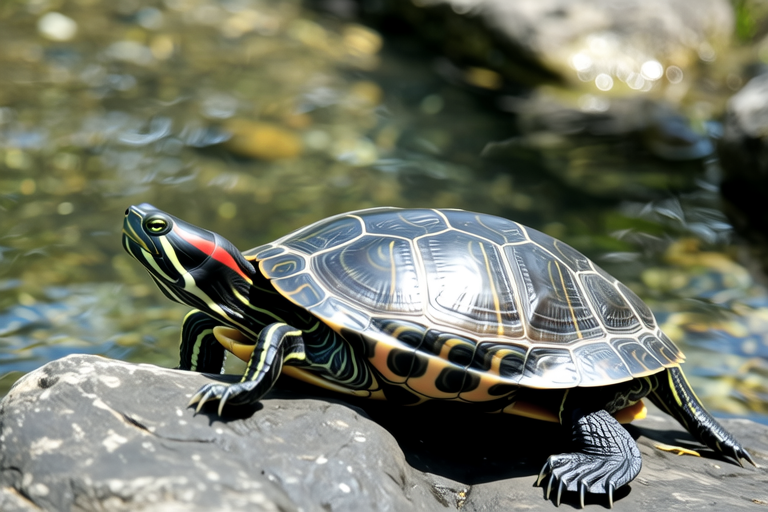
The Ultimate Guide: How to Care for a Red-eared Slider Turtle
Red-eared slider turtles (Trachemys scripta elegans) are among the most popular pet turtles due to their hardiness and relatively low maintenance requirements. However, providing optimal care for these reptiles requires a good understanding of their specific needs. This comprehensive guide will walk you through setting up the perfect habitat, ensuring proper nutrition, handling your turtle with care, and avoiding common pitfalls. Let’s dive into the world of red-eared sliders and learn how to keep them healthy and happy.
Habitat Setup: Tank Size, Water Quality, and UV Lighting
Creating an appropriate habitat is crucial for the well-being of your red-eared slider. The first step is determining the right tank size. A rule of thumb is to provide at least 10 gallons of water per inch of shell length for young turtles. As they grow, you’ll need to upgrade to larger tanks or even consider a pond if space allows. For instance, a fully grown adult might require a tank of around 80-120 gallons.
Water quality is another critical aspect. These turtles spend most of their time swimming, so maintaining clean water is essential. Equip your tank with a powerful filtration system capable of handling the volume of water efficiently. Regular water changes are also necessary to remove waste and maintain optimal conditions. Aim for partial water changes every week and a full water change every two weeks.
UV lighting plays a vital role in the health of your red-eared slider. Turtles require ultraviolet B (UVB) light to synthesize vitamin D3, which aids calcium absorption for strong bones and shells. Install a high-quality UVB lamp that covers at least 50% of the basking area. Position it no more than 12 inches above the basking spot and replace it every six months, as UV output diminishes over time. Additionally, ensure there’s a heat lamp to maintain a basking temperature between 85°F and 95°F.
Diet and Nutrition
Feeding your red-eared slider a balanced diet is key to its overall health. Their diet should consist mainly of commercial turtle pellets, supplemented with fresh vegetables and occasional protein sources. Pellets designed specifically for aquatic turtles provide essential nutrients, including vitamins and minerals. Offer these pellets daily, adjusting the quantity based on your turtle’s appetite.
Vegetables such as romaine lettuce, green beans, and squash can be offered several times a week. Avoid iceberg lettuce, as it has little nutritional value. Protein sources like earthworms, crickets, and minnows can be fed sparingly, about once a week, to mimic their natural diet. Ensure all food items are appropriately sized for your turtle to prevent choking.
Supplemental calcium and vitamins may be necessary depending on your turtle’s age and health status. Consult with a veterinarian who specializes in reptiles to determine if additional supplements are required. Over-supplementation can lead to health issues, so always follow professional advice.
Health Care Basics
Regular veterinary check-ups are important for maintaining your red-eared slider’s health. Choose a veterinarian experienced with reptiles and schedule annual visits. During these appointments, your vet will perform a thorough examination, including checking for signs of illness or injury.
Common health issues in red-eared sliders include respiratory infections, shell rot, and metabolic bone disease. Respiratory infections often manifest as lethargy, labored breathing, or discharge from the nose. Shell rot appears as soft spots or lesions on the carapace or plastron. Metabolic bone disease results from insufficient calcium intake and manifests as deformities in the shell or limbs.
To prevent these conditions, ensure your turtle has access to adequate UVB lighting, maintains proper hydration, and eats a balanced diet. Clean living conditions also contribute significantly to your turtle’s health. By addressing potential issues early, you can help your turtle live a long and healthy life.
Handling Tips
While red-eared sliders are generally docile, they are not known for being particularly affectionate. They respond best to gentle handling and consistent interaction. Always wash your hands before and after handling your turtle to minimize the risk of transferring bacteria or parasites.
When picking up your turtle, support its body firmly but gently. Place one hand under its belly and the other behind its hind legs. Avoid lifting solely by the edges of the shell, as this could cause injury. Keep handling sessions short and positive, allowing your turtle time to adjust to your presence.
Your turtle’s environment should be designed with safety in mind. Ensure there are no sharp edges or objects that could injure your pet. Provide a variety of hiding spots and resting areas within the tank to give your turtle options for comfort and security.
Common Mistakes to Avoid
One of the most frequent mistakes made by new turtle owners is neglecting the importance of UVB lighting. Without adequate exposure to UVB light, your turtle cannot produce sufficient vitamin D3, leading to serious health problems. Another common error is overcrowding the tank, which can stress the turtle and compromise water quality.
Overfeeding is another issue that can lead to obesity and related health problems. Monitor your turtle’s eating habits and adjust feeding amounts accordingly. It’s also important not to handle your turtle too frequently, especially if it shows signs of stress or discomfort.
Lastly, be cautious when introducing new animals to your tank. Even if you thoroughly clean any new additions, there’s always a risk of introducing parasites or diseases. Quarantine new pets for at least four weeks before introducing them to your established tank.
In conclusion, caring for a red-eared slider turtle involves creating a suitable habitat, providing a balanced diet, and attending to regular health checks. With proper attention and care, your turtle can thrive in its new home. Remember, each turtle is unique, so pay close attention to your pet’s behavior and adjust its care regimen as needed. Enjoy the rewarding experience of owning one of nature’s most fascinating creatures!
