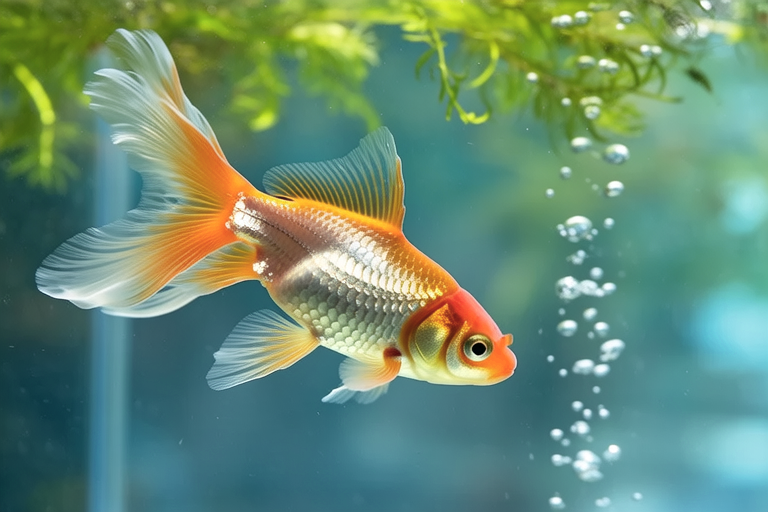
How to Make Your Goldfish Happier and Healthier Today
Welcome to the wonderful world of goldfish ownership! These charming creatures bring joy and tranquility to many homes. However, ensuring your goldfish’s happiness and health requires more than just a bowl and some fish food. By following these essential care tips, you can provide your goldfish with the best possible life. Let’s dive into how to make your goldfish happier and healthier today.
Proper Tank Setup: The Foundation of Goldfish Care
The first step in creating a happy and healthy environment for your goldfish is setting up the right tank. Goldfish require ample space to swim and explore, so it’s crucial to choose a tank that meets their needs. A general rule of thumb is one gallon of water per inch of goldfish. For instance, a ten-inch goldfish would need at least a ten-gallon tank.
In addition to size, consider the shape of the tank. Opt for a longer, wider tank rather than a tall one. This provides more surface area for oxygen exchange, which is vital for your goldfish’s respiratory system. Position the tank away from direct sunlight and drafts to prevent algae growth and temperature fluctuations.
Substrate, plants, and decorations also play a significant role in your goldfish’s habitat. Choose a safe substrate like smooth gravel or sand. Avoid sharp or rough materials that could injure your fish. Live or artificial plants offer hiding spots and stimulation. Decorative items like caves or tunnels can further enrich your goldfish’s environment.
Water Quality Maintenance: Clear and Clean Water for Goldfish
Water quality is paramount for the health of your goldfish. Poor water conditions can lead to stress, illness, and even death. Regular water changes and monitoring are essential. Aim to change about 10-20% of the water weekly and perform a full tank clean every few months.
To maintain optimal water quality, invest in a high-quality filter that matches your tank size. Filters help remove waste, debris, and excess nutrients, preventing harmful ammonia and nitrite levels. Additionally, test your water regularly for pH, ammonia, nitrite, and nitrate levels. Ideal parameters include a pH between 6.5 and 8.0, ammonia and nitrite at 0 ppm, and nitrate below 40 ppm.
Adequate aeration is equally important. Goldfish are cold-water fish that require oxygen-rich environments. Use an air pump and airstone to ensure continuous oxygenation. Remember, maintaining pristine water conditions directly impacts your goldfish’s health and lifespan.
Suitable Diet: Fueling Your Goldfish’s Energy Needs
Feeding your goldfish a balanced and varied diet is crucial for their growth, energy, and overall well-being. A mix of commercial flakes, pellets, and freeze-dried foods provides essential nutrients. Offer a variety of protein sources such as brine shrimp, bloodworms, and daphnia. Supplement with vegetables like peas, spinach, and zucchini for fiber and vitamins.
Goldfish have small stomachs and short digestive tracts, so feed them small amounts multiple times daily. Overfeeding leads to poor water quality and health issues. Feed only what your goldfish can consume within two minutes. Remove any uneaten food promptly to prevent contamination.
Consider the time of year when feeding your goldfish. In colder temperatures, their metabolism slows down, and they may eat less frequently. Adjust portion sizes accordingly to avoid overfeeding during winter months.
Appropriate Tank Mates: Finding Compatible Companions
Selecting compatible tank mates is another key factor in ensuring your goldfish’s happiness and health. Goldfish are social animals that thrive in groups. Keeping at least three goldfish together encourages natural behaviors and reduces stress. Choose tank mates based on similar size, temperament, and environmental needs.
Avoid housing goldfish with aggressive or territorial species. Some common compatible tank mates include danios, platies, and other peaceful community fish. However, be cautious when introducing new fish, as this can cause stress and illness. Quarantine new additions for several weeks before adding them to your main tank.
Ensure all tank mates share similar water parameters and dietary requirements. This promotes harmony and reduces competition for resources. A well-chosen group of companions enhances your goldfish’s social interactions and overall well-being.
Regular Health Checks: Monitoring Your Goldfish’s Well-Being
Regular health checks are vital for early detection and treatment of potential issues. Observe your goldfish daily for signs of illness, such as lethargy, abnormal swimming patterns, bloating, or discolored fins. Changes in behavior or appearance warrant immediate attention.
Invest in a reliable aquarium thermometer to monitor water temperature. Goldfish prefer cooler waters between 68°F and 74°F (20°C and 23°C). Fluctuations outside this range can stress your fish and weaken their immune systems. Maintain consistent temperature levels to promote a stable environment.
Consult a veterinarian specializing in aquatic animals if you suspect your goldfish is unwell. They can diagnose and treat conditions effectively, ensuring your fish receives the best care possible. Early intervention is key to preventing minor issues from becoming serious health threats.
Enrichment Activities: Stimulating Your Goldfish’s Mind and Body
Providing enrichment activities for your goldfish is essential for their mental and physical well-being. Enrichment stimulates their senses, encourages natural behaviors, and prevents boredom. Introduce interactive toys like floating balls, sinking treats, and puzzle feeders to engage your goldfish.
Rotate tank decorations periodically to keep the environment interesting. Rearrange plants, rocks, and ornaments to encourage exploration and curiosity. This mimics the ever-changing natural habitats goldfish inhabit in the wild.
Engage in gentle play sessions by using a net or target stick. Gently guide your goldfish through the water, encouraging them to interact. Positive reinforcement techniques can strengthen the bond between you and your fish. Remember, a mentally stimulated goldfish is a happier and healthier one.
Conclusion: A Lifetime of Happiness and Health
Making your goldfish happier and healthier involves thoughtful care and attention to detail. By setting up a proper tank, maintaining water quality, providing a suitable diet, choosing appropriate tank mates, performing regular health checks, and offering enrichment activities, you can ensure your goldfish lives a long, fulfilling life.
Your dedication and commitment will reward you with a vibrant and joyful companion. Embrace the responsibility of goldfish ownership and enjoy the countless moments of peace and joy your goldfish brings to your home. Happy fishkeeping!
