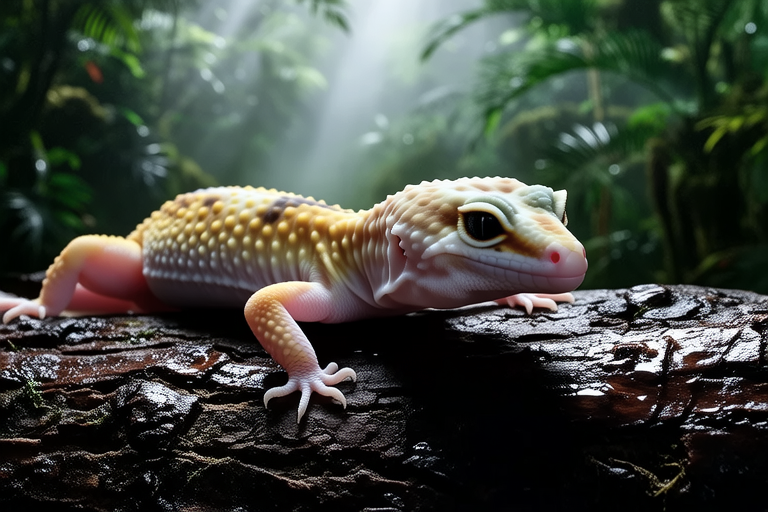
Unveiling the Mysterious World of Chameleons: Tips for First-Time Owners
Welcome to the fascinating world of chameleons! These unique reptiles have intrigued humans for centuries with their remarkable abilities. From their ability to change colors to their exceptional vision and specialized body structures, chameleons are truly one-of-a-kind creatures. If you’re considering bringing a chameleon into your home, this guide will help you understand these amazing animals and provide essential tips for first-time owners.
The Unique Characteristics of Chameleons
Color-Changing Abilities: One of the most well-known features of chameleons is their ability to change colors. This adaptation is not just for camouflage but also serves other purposes like communication and temperature regulation. Chameleons can alter their skin pigments to blend in with their surroundings or display vibrant hues during mating displays or when feeling threatened.
Vision: Chameleons have incredibly sharp and unique eyes. Each eye can move independently, allowing them to look in two different directions simultaneously. This capability provides a wide field of view and depth perception, which is crucial for hunting prey. Their eyes are equipped with a specialized layer of cells that can detect polarized light, helping them spot water sources in arid environments.
Body Structure: The body of a chameleon is perfectly adapted for its arboreal lifestyle. They have long tongues that can extend up to twice their body length to catch insects. Their feet are zygodactylous, meaning they have two groups of toes that help them grip branches securely. Additionally, their tails are prehensile, acting as a fifth limb to assist in climbing and balance.
Setting Up the Ideal Habitat
To ensure your chameleon thrives, it’s essential to replicate its natural environment as closely as possible. Here are some key elements to consider when setting up their habitat:
Appropriate Lighting
Chameleons require UVB lighting to synthesize vitamin D3, which is crucial for calcium absorption and overall bone health. Choose a high-quality UVB bulb designed for reptiles and position it so that it covers the entire enclosure. Replace the bulb every six months, even if it still appears to be working, to ensure optimal output.
Temperature Gradients
Chameleons need a thermal gradient within their enclosure to regulate their body temperature. Use a combination of heat lamps and ceramic heaters to achieve this. The warm side of the enclosure should reach around 85-90°F (29-32°C), while the cooler side should be approximately 75-80°F (24-27°C). Ensure there is no direct heat source above the basking area to prevent burns.
Humidity Levels
Maintaining proper humidity levels is vital for a chameleon’s respiratory system and hydration. Aim for 50-70% humidity during the day and slightly higher at night. Use misting systems or hand misters to raise humidity levels, ensuring the enclosure dries out between mistings to prevent mold growth.
Dietary Needs
Chameleons are insectivores, meaning their diet consists primarily of live insects. Here’s what you need to know about feeding your chameleon:
Live Insects
Provide a variety of insects such as crickets, dubia roaches, silkworms, and hornworms. It’s important to gut-load these insects with nutritious foods before offering them to your chameleon. Gut-loading involves feeding the insects a diet rich in vitamins and minerals, which then transfer to your pet when consumed.
Nutritional Supplements
Supplementing your chameleon’s diet with calcium and multivitamins is necessary for preventing deficiencies. Dust insects with calcium powder every other feeding and use a multivitamin supplement once or twice a week. Always follow the manufacturer’s instructions regarding dosage.
Tips for Handling and Maintaining Health
Handling your chameleon requires care and patience. These animals are fragile and can become stressed easily. Here are some tips to ensure you handle your chameleon safely:
When picking up your chameleon, gently support its body and avoid squeezing or restraining it. Limit handling to short periods, as excessive handling can cause stress and disrupt their natural behaviors.
Signs of Illness and Common Health Issues
Being aware of potential health issues can help you address problems early. Some common signs of illness include lethargy, loss of appetite, discharge from the nose or eyes, and abnormal feces. Regular monitoring of your chameleon’s behavior and appearance is crucial for identifying any changes.
Some common health issues include metabolic bone disease (MBD) due to calcium deficiency, respiratory infections caused by improper humidity levels, and parasites. Consult a veterinarian specializing in exotic pets if you suspect your chameleon is ill.
The Commitment of Owning a Chameleon
Owning a chameleon is a significant responsibility that requires dedication and commitment. These animals have specific environmental and dietary needs that must be met consistently. Before bringing a chameleon home, ensure you’re prepared for the long-term commitment involved.
Research extensively and consult with experienced owners or veterinarians. Join online forums and local clubs to connect with others who share your interest in chameleons. Continuous learning is essential for providing the best care possible.
Resources for Further Learning
There are numerous resources available for those looking to deepen their knowledge about chameleons:
- Books: Look for titles focused on chameleon care and husbandry. Books often provide comprehensive information and detailed explanations.
- Websites: Many websites offer articles, forums, and video tutorials on chameleon care. These resources can be invaluable for addressing specific questions and concerns.
- Veterinarians: Regular check-ups with a veterinarian experienced in exotic pets can ensure your chameleon remains healthy and happy.
By understanding the unique characteristics of chameleons, setting up the ideal habitat, meeting their dietary needs, and maintaining their health, you can provide a loving and enriching home for these fascinating creatures. With the right preparation and ongoing commitment, owning a chameleon can be a rewarding and educational experience.
