Top 10 Facts About the Majestic Rajah Cichlid: A Complete Care Guide
Fact 1: The Stunning Appearance of the Rajah Cichlid
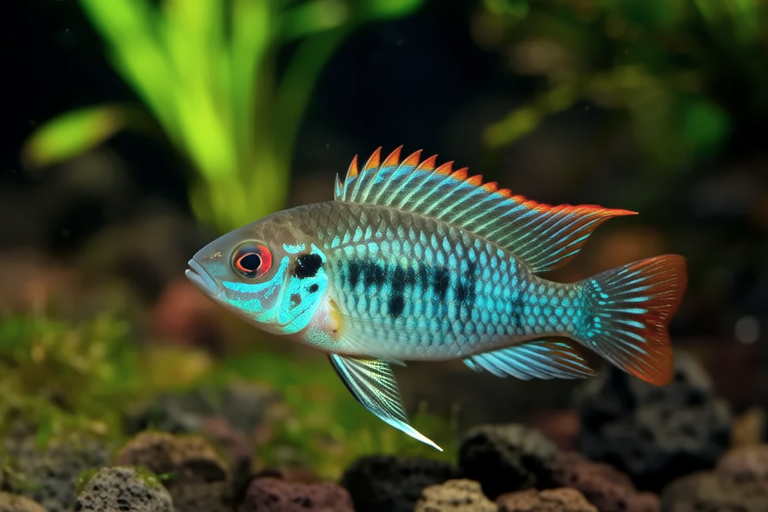
The Rajah Cichlid, scientifically known as Aequidens rivulatus, is a visually striking freshwater fish native to the rivers of Guyana and Suriname. This cichlid is characterized by its vibrant colors, which range from electric blue to emerald green, depending on the lighting and mood of the fish. Males typically exhibit more vivid hues compared to females. One of the most distinctive features of the Rajah Cichlid is its elongated dorsal fin, which can extend almost the entire length of the body, adding to its majestic appearance. The fish also has a prominent hump on its forehead, which becomes more pronounced as it matures.
Fact 2: Behavior and Temperament
Rajah Cichlids are known for their active and somewhat aggressive nature. They are territorial fish that require ample space to swim and establish their territories. These cichlids are highly intelligent and can be quite interactive with their owners, often displaying curious behaviors when approached near the tank. Despite their aggressive tendencies, they can be trained to recognize their caretakers and may even respond to feeding times with anticipation. It’s important to provide hiding spots and ample swimming areas to reduce stress and prevent conflicts within the tank.
Fact 3: Habitat Requirements
In the wild, Rajah Cichlids inhabit the fast-flowing rivers of South America, where they thrive in environments with strong currents and rocky substrates. To replicate this environment in an aquarium, it’s essential to provide a spacious tank with plenty of rocks, caves, and driftwood. The substrate should consist of fine gravel or sand to mimic the riverbeds they are accustomed to. Strong water flow is crucial, as it helps simulate the natural current and aids in maintaining water quality. Additionally, the tank should have sufficient open swimming spaces to allow the fish to move freely.
Fact 4: Dietary Needs
Rajah Cichlids are omnivorous and require a balanced diet to maintain their health and vibrant colors. In the wild, they feed on insects, small crustaceans, and plant matter. In captivity, a varied diet consisting of high-quality pellets, flakes, and frozen or live foods such as brine shrimp, bloodworms, and daphnia is recommended. It’s important to avoid overfeeding, as excess food can lead to poor water quality and obesity. Feeding should be done two to three times daily, with portions that can be consumed within a few minutes.
Fact 5: Breeding Habits
Breeding Rajah Cichlids can be challenging but rewarding. These fish are monogamous and form pairs during breeding. The female will lay her eggs on a flat surface, such as a rock or the glass of the tank, and the male will fertilize them. Both parents take turns guarding the eggs until they hatch, after which they will continue to protect the fry. Providing a well-established tank with ample hiding spots and ensuring optimal water conditions are key to successful breeding. Separating the breeding pair from other fish can also help minimize stress and increase the chances of successful spawning.
Fact 6: Common Health Issues
Like all cichlids, Rajah Cichlids are susceptible to certain health issues if not properly cared for. One of the most common problems is ich, a parasitic infection that causes white spots on the fish’s body. Other potential health concerns include bacterial infections, fin rot, and swim bladder disorders. Maintaining clean water and providing a balanced diet can significantly reduce the risk of these issues. Regular water changes and monitoring the fish for any signs of distress or abnormal behavior are essential for early detection and treatment.
Fact 7: Compatibility with Other Fish
Rajah Cichlids can be kept with other robust, similarly-sized species that can hold their own in the tank. Avoid housing them with slow-moving or timid fish, as they may become stressed or injured. Suitable tankmates include other large cichlids, robust barbs, and catfish. It’s important to introduce new fish gradually and monitor interactions closely to ensure compatibility. Creating a community tank with Rajah Cichlids requires careful planning and consideration of the temperament and size of the other fish.
Care Tip 1: Optimal Tank Conditions
To maintain optimal tank conditions for Rajah Cichlids, it’s crucial to monitor and adjust water parameters regularly. The ideal temperature range for these fish is between 75°F and 82°F (24°C to 28°C). The pH level should be slightly acidic, ranging from 6.0 to 7.0, to mimic their natural habitat. Ammonia and nitrite levels should be undetectable, while nitrate levels should be kept below 20 ppm. Regular water testing and maintenance, including weekly water changes of 20-30%, are necessary to ensure water quality.
Care Tip 2: Tank Size and Setup
A minimum tank size of 55 gallons is recommended for a single Rajah Cichlid, with additional space required for each additional fish. The tank should be equipped with a powerful filter capable of handling the volume of water and maintaining water flow. Decorations such as rocks, caves, and driftwood should be arranged to create hiding spots and define territories. Providing ample swimming space is essential to prevent stress and aggression among tank inhabitants.
Care Tip 3: Filtration and Water Flow
Effective filtration is vital for maintaining water quality and simulating the natural current found in their native habitats. A combination of mechanical, biological, and chemical filtration is recommended. Mechanical filtration removes debris and uneaten food, while biological filtration helps break down harmful substances like ammonia and nitrite. Chemical filtration can further enhance water clarity and remove odors. Incorporating a powerhead or spray bar can help create the desired water flow, mimicking the swift currents of the rivers where Rajah Cichlids naturally reside.
Care Tip 4: Lighting and Decor
Proper lighting is essential for both the health and visual appeal of the tank. While Rajah Cichlids do not require intense lighting, providing moderate illumination can enhance their colors and promote overall well-being. Fluorescent lights or LED fixtures are suitable options. Decorative elements such as plants, driftwood, and rocks can add aesthetic value to the tank while also providing hiding spots and territorial boundaries. Live plants can also contribute to the biological filtration process and provide natural shelter for the fish.
Care Tip 5: Feeding and Nutrition
Feeding Rajah Cichlids a balanced diet is crucial for their growth and longevity. High-quality pellets formulated for cichlids should form the staple of their diet, supplemented with occasional treats of live or frozen foods. Ensuring a variety of nutrients through a diverse diet helps prevent nutritional deficiencies and promotes vibrant coloration. Avoid overfeeding, as excess food can deteriorate water quality and lead to health issues. Feeding should be done at regular intervals, allowing the fish to consume the food within a few minutes to prevent waste.
Conclusion
The Rajah Cichlid is a captivating and majestic addition to any aquarium, offering both beauty and challenge for experienced and novice aquarists alike. By understanding and addressing their specific needs, including proper tank setup, diet, and tankmates, you can ensure the health and happiness of these remarkable fish. With the right care and attention, Rajah Cichlids can thrive in your tank, providing years of enjoyment and admiration.
