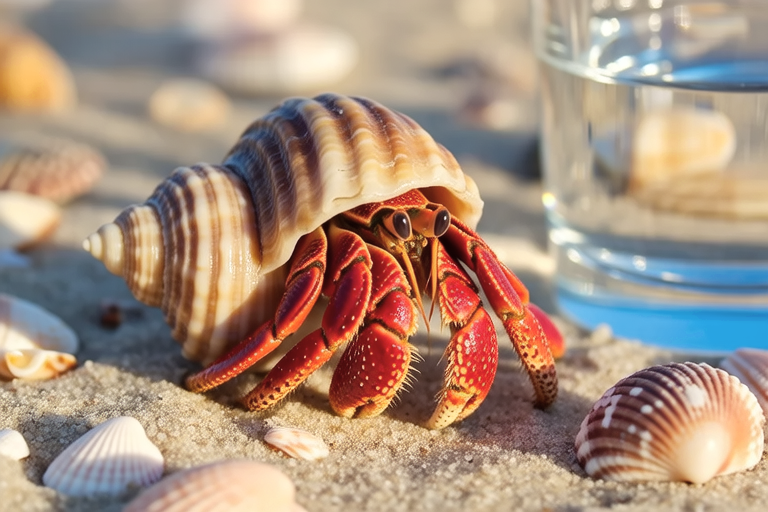
Top 10 Myths About Hermit Crabs Debunked – Are These Tiny Pets as Easy as They Seem?
Hermit crabs, those quirky little creatures that seem to have stolen the hearts of many pet enthusiasts, are becoming increasingly popular as household pets. With their charming personalities and relatively small size, it’s easy to see why people are drawn to them. However, like any other animal, hermit crabs come with their own set of needs and challenges. In this article, we’ll delve into the top 10 myths about hermit crabs, debunk them, and provide you with valuable insights into what it truly means to care for these fascinating crustaceans.
Myth 1: Hermit Crabs Don’t Need Special Housing
One of the most common misconceptions about hermit crabs is that they can live in any container. While it’s true that hermit crabs are adaptable, they require specific conditions to thrive. A proper habitat should mimic their natural environment, which includes humidity levels between 70% and 80%, and temperatures ranging from 75°F to 85°F (24°C to 29°C). Without these conditions, your hermit crabs may experience stress, leading to health problems. Do you think your living room could meet these requirements? Let’s find out!
Myth 2: Hermit Crabs Only Need Water Every Once in a While
Another myth is that hermit crabs only need water for drinking. In reality, hermit crabs require both fresh and saltwater to maintain their health. The saltwater helps them shed their exoskeletons properly, while the freshwater is essential for drinking and keeping their gills moist. Without access to both types of water, hermit crabs can suffer from dehydration and respiratory issues. Have you considered setting up separate water dishes for your crabs?
Myth 3: Hermit Crabs Are Completely Harmless to Other Pets
While hermit crabs are generally peaceful creatures, they can pose a threat to smaller pets like fish or amphibians if housed together. Their claws can be strong enough to harm delicate animals. It’s important to keep hermit crabs isolated from other pets to prevent accidents. Have you ever thought about the safety of your other pets when considering adding hermit crabs to your household?
Myth 4: Hermit Crabs Can Live Without Land Shells
Many people believe that hermit crabs can survive without shells, but this is far from the truth. Hermit crabs rely on shells for protection, and without one, they are vulnerable to predators and environmental hazards. Providing a variety of shells in different sizes is crucial for their well-being. Do you know how to choose the right shells for your hermit crabs?
Myth 5: Hermit Crabs Don’t Require a Lot of Space
Contrary to popular belief, hermit crabs need ample space to move around and explore. A cramped tank can lead to stress and health issues. Experts recommend at least 10 gallons of space per crab, with additional room for climbing structures and hiding spots. Is your current setup adequate for your hermit crabs?
Myth 6: Hermit Crabs Eat Anything You Feed Them
Hermit crabs are omnivores and will eat a wide range of foods, but this doesn’t mean you can feed them anything. A balanced diet should include commercial hermit crab food, fruits, vegetables, and occasional protein sources like insects. Feeding them inappropriate foods, such as processed human foods, can cause digestive issues. What’s on your menu for your hermit crabs today?
Myth 7: Hermit Crabs Don’t Need Regular Health Checks
Like any other pet, hermit crabs require regular health checks to ensure they are thriving. Signs of illness can include lethargy, loss of appetite, or changes in shell preferences. If you notice any of these symptoms, it’s important to consult a veterinarian who specializes in exotic pets. Have you ever checked your hermit crabs for signs of illness?
Myth 8: Hermit Crabs Are Solitary Creatures
Hermit crabs are social animals that enjoy the company of others. Keeping multiple hermit crabs together can enhance their quality of life and reduce stress. However, it’s important to introduce them gradually and provide plenty of space and resources to avoid conflicts. How many hermit crabs do you think would be ideal companions for your current setup?
Myth 9: Hermit Crabs Don’t Need Substrate
Substrate plays a vital role in maintaining humidity levels and providing a natural environment for hermit crabs. Sand, coconut fiber, or a mixture of both is commonly used. Without substrate, your hermit crabs may struggle to burrow and regulate their humidity levels. What type of substrate do you have in your hermit crab’s habitat?
Myth 10: Hermit Crabs Are Low-Maintenance Pets
Finally, the idea that hermit crabs are low-maintenance pets is one of the most pervasive myths. While they may not require daily walks or grooming, they still need careful attention to their habitat, diet, and overall well-being. Regular maintenance, including cleaning the tank and checking water levels, is necessary to ensure their health. Are you prepared for the ongoing responsibilities of caring for hermit crabs?
Conclusion: The Realities of Owning Hermit Crabs
In conclusion, while hermit crabs can make delightful pets, they are far from being low-maintenance. By debunking these common myths, we hope to provide a clearer picture of what it takes to care for these unique creatures. Proper housing, diet, and health monitoring are essential to ensuring your hermit crabs live long, happy lives. Are you ready to embrace the challenges and rewards of hermit crab ownership? Reflect on your understanding of these tiny pets and consider whether you’re prepared to give them the care they deserve.
