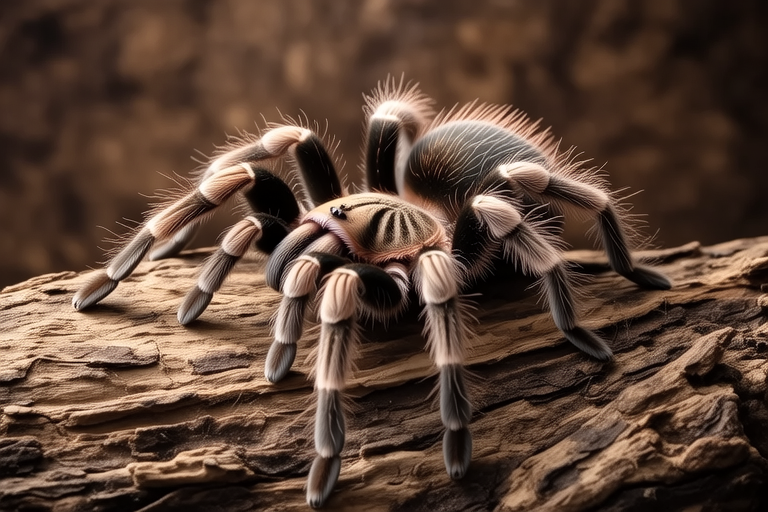
The Ultimate Guide to Choosing Your First Tarantula Pet
Welcome to the fascinating world of tarantulas! These large, hairy spiders may seem intimidating at first glance, but they can make excellent pets for the right owner. Tarantulas are known for their docile nature, minimal maintenance, and unique beauty. However, owning a tarantula requires careful consideration of species selection, habitat setup, diet, and health care. This guide will walk you through everything you need to know to successfully choose and care for your first tarantula pet.
Understanding Tarantulas as Pets
Tarantulas are among the most popular arachnids kept as pets due to their relatively low maintenance and interesting behaviors. Unlike many other pets, tarantulas don’t require daily walks or constant attention. They spend much of their time resting in their burrows, making them perfect for busy individuals who still want a rewarding pet experience. Their care involves providing the right temperature, humidity, and enclosure space to mimic their natural habitats.
Researching Different Species Suitable for Beginners
With over 900 species of tarantulas, choosing the right one for you can be overwhelming. For beginners, it’s best to start with species that are known for being calm, easy to handle, and hardy. Some recommended species include:
- Barking Spider (Ceratogyrus Pumilis): Known for its gentle demeanor and striking coloration.
- Chaco Golden Knee (Grammostola Porteri): A medium-sized tarantula with a docile temperament.
- Brown Recluse (Gertsch Grammostola): A popular choice for its manageable size and ease of care.
Each species has its own specific care requirements, so research thoroughly before deciding which one suits your lifestyle and experience level.
Understanding Housing Needs
Tank Size and Decorations
The size of the enclosure depends on the size of your tarantula. As a general rule, the tank should be at least three times the leg span of the spider in length and width, with a height of twice the leg span. For example, if your tarantula has a leg span of 4 inches, the enclosure should be at least 12 inches long and wide, and 8 inches tall.
Decorations within the tank should provide hiding spots and climbing opportunities. Use cork bark, artificial plants, or driftwood. Make sure these items are securely placed to prevent accidental falls. A shallow water dish should also be provided, ensuring it’s not deep enough for the tarantula to drown in.
Temperature and Humidity
Maintaining the correct temperature and humidity levels is crucial for your tarantula’s health. Most species thrive between 75-85°F (24-29°C) and a humidity level of 60-80%. Use a hygrometer to monitor humidity and a thermometer for temperature. Adjust these levels according to the specific needs of your chosen species.
Proper Diet and Feeding Schedules
Tarantulas are carnivorous and primarily feed on live insects. Common prey includes crickets, mealworms, and roaches. The size of the prey should be appropriate for the tarantula; generally, no larger than half the spider’s body. Feed juveniles every 5-7 days, while adults can be fed once every 1-2 weeks.
It’s important to gut-load the feeder insects by feeding them nutritious foods such as fruits, vegetables, and commercial insect diets a day before offering them to your tarantula. This ensures your pet receives optimal nutrition.
Handling Techniques
While tarantulas are generally docile, they can be sensitive to stress. Always handle your tarantula gently and only when necessary. To pick up your tarantula, use a soft, wide net or a cup. Gently place the net over the tarantula and lift it along with the substrate, or scoop it into the cup. Avoid grabbing or squeezing the tarantula directly.
Some species, like the Chilean Rose (Grammostola Rosea), are more tolerant of handling than others, but even these should be handled with care.
Common Health Issues
Like any pet, tarantulas can face health issues. Common problems include mites, molting complications, and regurgitation. Regularly inspect your tarantula for signs of illness, such as lethargy, loss of appetite, or unusual behavior. If you notice anything amiss, consult a veterinarian specializing in exotic animals.
Creating a Safe and Comfortable Environment
A safe environment is paramount for your tarantula’s well-being. Ensure the enclosure is escape-proof, with secure lids and smooth edges to prevent injuries. Keep the tank away from direct sunlight and drafts. Also, ensure there are no toxic plants or chemicals near the enclosure that could harm your pet.
Sourcing a Healthy Tarantula
When purchasing your tarantula, always buy from reputable breeders or pet stores. Look for signs of good health, such as clear eyes, a full abdomen, and active movement. Avoid tarantulas that appear lethargic, have missing limbs, or show signs of injury.
Resources for Further Learning
As with any new hobby, continuous learning is key to becoming a successful tarantula keeper. Books, online forums, and local clubs dedicated to exotic pets can provide valuable insights and support. Joining a community allows you to share experiences, ask questions, and learn from fellow enthusiasts.
Choosing your first tarantula pet is an exciting journey. With this guide, you’re well-equipped to provide the best possible care for your new companion. Remember, patience and dedication are essential in ensuring your tarantula thrives in its new home.
