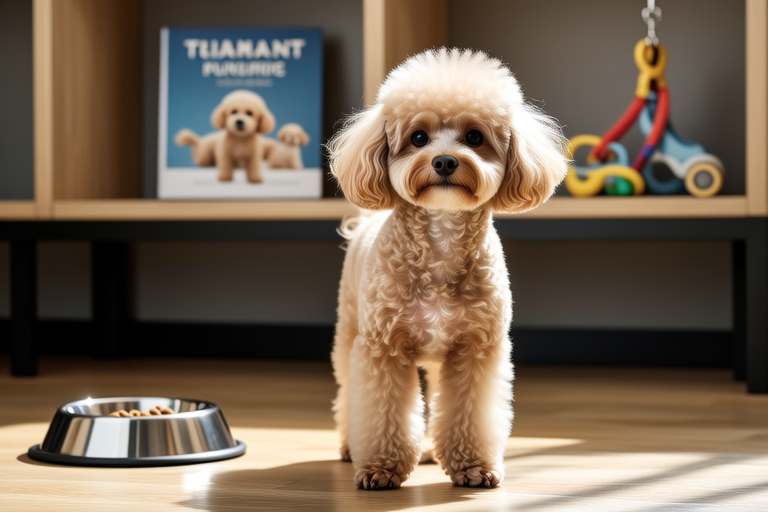
Everything You Need to Know Before Adopting a Poodle
Welcome to the wonderful world of poodles! These intelligent, elegant, and playful dogs have been popular companions for centuries. Known for their distinctive curly coats, poodles are often seen in dog shows and as family pets. Their versatility and adaptability make them excellent choices for various living situations. However, adopting a poodle comes with responsibilities that need to be understood before bringing one home. This article will guide you through everything you need to know about poodles, from their unique sizes to their grooming needs, exercise routines, dietary considerations, and more.
Poodle Sizes: Standard, Miniature, and Toy
Poodles come in three distinct sizes: standard, miniature, and toy. Each size has its own charm and is suitable for different types of homes and lifestyles.
- Standard Poodles: Standing at over 15 inches tall, standard poodles are the largest of the three. They are known for their regal appearance and are often used as guide dogs or therapy dogs due to their intelligence and trainability.
- Miniature Poodles: Miniature poodles stand between 11 and 15 inches tall. They are slightly smaller than standard poodles but share similar traits, making them great companions for apartment dwellers or those who prefer a smaller dog.
- Toy Poodles: The smallest of the trio, toy poodles stand less than 10 inches tall. Despite their diminutive size, toy poodles possess the same intelligence and energy as their larger counterparts, making them ideal for individuals seeking a lapdog.
Grooming Needs and Professional Grooming Frequency
Poodles are famous for their hypoallergenic coats, which consist of tightly curled hair rather than fur. This characteristic makes them less likely to shed, but it also means that regular grooming is essential to keep their coat healthy and tangle-free.
Professional grooming should be scheduled every 4 to 6 weeks. During these visits, your poodle’s coat will be trimmed, brushed, and cleaned thoroughly. In between professional groomings, regular brushing at home is necessary to prevent matting and ensure the coat remains smooth and manageable. Additionally, pay attention to your poodle’s ears, eyes, and nails, ensuring they are clean and trimmed as needed.
Exercise Requirements and Intelligence
Poodles are highly intelligent and energetic dogs that require regular physical and mental stimulation. Daily walks and playtime are essential to keep them happy and healthy. Standard and miniature poodles typically need about 30 minutes of exercise per day, while toy poodles may need slightly less due to their smaller size.
The intelligence of poodles is one of their most notable traits. They excel in obedience training and can learn complex commands quickly. This intelligence makes them easy to train but also means they can become bored if not given enough mental challenges. Interactive toys, puzzle feeders, and agility exercises are great ways to keep your poodle mentally stimulated.
Dietary Considerations
When it comes to feeding your poodle, it’s important to choose a high-quality dog food that meets their nutritional needs. Look for foods that contain real meat as the primary ingredient and avoid those with fillers or artificial preservatives. Consult with your veterinarian to determine the appropriate amount of food based on your poodle’s age, weight, and activity level.
Toy poodles, being the smallest, are particularly prone to hypoglycemia, especially during puppyhood. Feeding them small, frequent meals throughout the day can help prevent this condition. Additionally, monitor your poodle’s weight closely, as obesity can lead to health issues such as joint problems and diabetes.
Temperament and Compatibility
Poodles are generally friendly, affectionate, and good-natured dogs. They thrive in social environments and enjoy spending time with their human families. Their loyalty and protective nature make them excellent watchdogs without being overly aggressive.
Due to their playful and gentle demeanor, poodles are well-suited for families with children. They tend to be patient and tolerant, making them great playmates for kids. However, always supervise interactions between dogs and young children to ensure safety on both sides.
Poodles generally get along well with other pets, including cats and other dogs, provided proper introductions are made. Socialization from an early age is key to fostering harmonious relationships within multi-pet households.
Common Health Issues and Prevention
Like all breeds, poodles are susceptible to certain health conditions. Some of the most common issues include hip dysplasia, progressive retinal atrophy (PRA), and Addison’s disease. Regular veterinary check-ups and genetic testing can help identify potential health risks early on.
To promote overall health, maintain a balanced diet, provide adequate exercise, and schedule routine vaccinations and preventive care. Early detection and treatment of any health issues can significantly improve your poodle’s quality of life.
Training Techniques
Positive reinforcement is the best approach when training your poodle. Reward good behavior with treats, praise, or extra playtime. Consistency is key; use the same commands and rewards each time to reinforce desired behaviors.
Begin training sessions when your poodle is still a puppy. Start with basic commands like ‘sit’, ‘stay’, and ‘come’. As your poodle masters these, introduce more advanced tricks and commands. Enroll in obedience classes if needed; these provide structured learning environments and opportunities for socialization.
Tips for New Owners
Adopting a poodle is a rewarding experience, but it also requires commitment and preparation. Here are some final tips for new owners:
- Research local breeders and shelters to find a reputable source for your poodle.
- Prepare your home by removing any potential hazards and setting up a comfortable sleeping area for your new pet.
- Consider enrolling in puppy kindergarten classes to give your poodle a head start on socialization and training.
- Establish a routine for feeding, walking, and grooming to ensure consistency in your poodle’s daily life.
- Stay informed about poodle-specific health concerns and participate in community events or forums where you can connect with other poodle owners.
By understanding the unique needs and characteristics of poodles, you can provide them with a loving and fulfilling home. With proper care and attention, your poodle will bring years of joy and companionship to your family.
