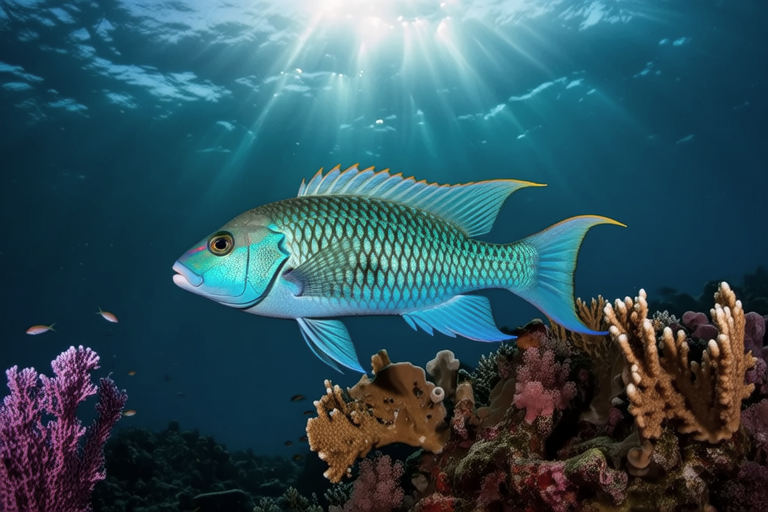
Parrot Fish: A Dive into the Ocean’s Vibrant Guardians
The ocean is teeming with life, each species playing a unique role in its ecosystem. Among these fascinating creatures are the parrot fish, known for their striking colors and intriguing behaviors. These fish, found predominantly in tropical and subtropical waters, have captured the imagination of marine biologists and divers alike. This article delves into the unique behaviors, habitat, and lesser-known facts about parrot fish, shedding light on their vital role in maintaining coral reef health, their vibrant color transformations, nocturnal habits, and methods of protection against predators.
A Vivid Palette in the Coral Reefs
Parrot fish are named for their beak-like jaws and prominent teeth, which resemble the beak of a parrot. Their vibrant colors range from electric blues and greens to vivid oranges and reds, making them stand out in the underwater world. The most stunning aspect of these fish is their ability to change colors throughout their lifetime, a phenomenon that serves various purposes. Juvenile parrot fish often sport different colors than their adult counterparts, helping them blend into their environment and avoid predators. As they mature, they undergo a transformation that includes changing colors and patterns, signaling their readiness to mate and establish territories.
Nocturnal Retreats and Daytime Activities
Parrot fish are primarily diurnal, meaning they are most active during the day. However, they also exhibit nocturnal behaviors, particularly when it comes to finding shelter. At night, these fish seek refuge in crevices, caves, or among the coral. Some species even create mucus cocoons around themselves, a behavior thought to protect them from parasites and possibly mask their scent from predators. During the day, parrot fish engage in a variety of activities, including feeding, mating, and defending their territory. Their daily routine is punctuated by periods of rest, where they can be seen hovering motionlessly near the coral.
Feeding Patterns and Diet
Parrot fish are herbivores, primarily feeding on algae and other plant material found on coral reefs. They use their powerful beaks to scrape algae off rocks and coral, creating small pits as they feed. This grazing behavior plays a crucial role in maintaining the health of coral reefs. By removing excess algae, parrot fish prevent it from overgrowing and smothering the coral polyps, ensuring the reef’s continued growth and vitality. Additionally, their feeding habits contribute to the recycling of nutrients within the reef system, further supporting the diverse marine life that depends on it.
Social Structures and Mating Rituals
Parrot fish are generally solitary creatures but form temporary schools during feeding and mating seasons. These schools can consist of hundreds of individuals, creating a spectacle of color and movement as they swim together. When it comes to reproduction, parrot fish exhibit complex behaviors. Many species engage in mass spawning events, where large groups of fish release their eggs and sperm into the water simultaneously. This strategy increases the chances of fertilization and helps ensure the survival of their offspring. Male parrot fish are often more colorful and aggressive during this time, defending their territory and competing for mates.
Protective Measures Against Predators
Despite their vibrant colors, parrot fish have several mechanisms to protect themselves from predators. One of the most notable is their ability to rapidly change color, allowing them to blend into their surroundings or signal danger. Additionally, some species possess spiky dorsal fins that can deter potential threats. Parrot fish also rely on the safety of the coral reef itself, using its complex structure to find hiding spots and escape from larger predators such as sharks and groupers.
Recent Scientific Discoveries
In recent years, scientists have made significant strides in understanding the biology and behavior of parrot fish. One exciting discovery involves the role of parrot fish in combating climate change. Studies have shown that their feeding habits help reduce the acidity of seawater by breaking down calcium carbonate from coral and other reef structures. This process contributes to the overall resilience of coral reefs in the face of rising ocean temperatures and acidification.
Another area of research focuses on the impact of human activities on parrot fish populations. Overfishing and habitat destruction pose significant threats to these fish, leading to declines in certain regions. Conservation efforts are underway to protect parrot fish and the ecosystems they support. Marine protected areas and sustainable fishing practices are being implemented to ensure the long-term survival of these vital species.
Conclusion
Parrot fish are not only beautiful and fascinating creatures but also essential components of coral reef ecosystems. Their vibrant colors, unique behaviors, and critical role in maintaining reef health make them captivating subjects for study and admiration. As we continue to explore the mysteries of the ocean, it is crucial to recognize the importance of protecting these remarkable fish and the delicate balance they help maintain in the marine world.
