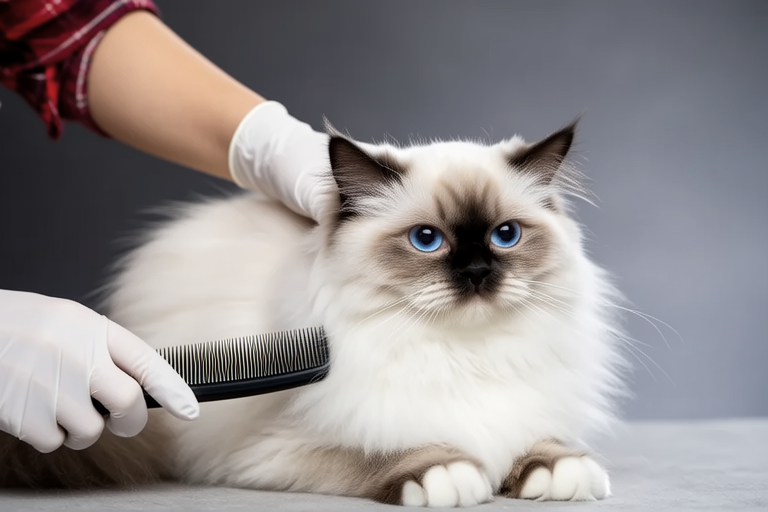
How to Groom Your Persian Cat Like a Pro: Tips from Experts
Persian cats are known for their luxurious, long fur and gentle demeanor. Their beauty is captivating, but maintaining it requires consistent grooming. Proper grooming isn’t just about keeping your cat looking good; it’s also crucial for their health and happiness. In this guide, we’ll explore essential grooming tools, the frequency of grooming, and step-by-step instructions for bathing, brushing, nail trimming, ear cleaning, and dental care. We’ll also address common grooming challenges specific to Persian cats and provide solutions to help you become a pro at grooming your Persian.
Essential Grooming Tools
To effectively groom your Persian cat, having the right tools is essential. Here are some must-have items:
- Wide-toothed comb: For detangling knots and mats.
- Pin brush: To remove loose hair and distribute natural oils.
- Slicker brush: For deep cleaning and removing undercoat.
- Nail clippers: To trim nails safely and prevent overgrowth.
- Eyewash solution: For gently cleansing around the eyes.
- Cat-safe shampoo: For washing your cat without irritating their skin.
- Dental care products: Such as toothpaste and brushes or dental wipes.
Frequency of Grooming
Persian cats require daily grooming due to their long, dense coats. Daily brushing helps prevent matting and keeps your cat’s coat shiny and healthy. Additionally, you should bathe your cat every six to eight weeks, depending on their activity level and environment. Regular nail trimming, ear cleaning, and dental care are also necessary to ensure your cat remains healthy and comfortable.
Bathing Your Persian Cat
Bathing a Persian cat might seem daunting, but with patience and the right approach, it can be a smooth process. Follow these steps:
- Prepare the bath area: Fill a sink or tub with warm water (not hot) and add a small amount of cat-safe shampoo.
- Brush your cat: Before bathing, thoroughly brush your cat to remove any tangles or mats. This makes the bathing process easier and more comfortable for your cat.
- Wet your cat: Gently wet your cat from head to tail, avoiding the face and ears. Use a cup or spray nozzle to control the water flow.
- Lather: Apply the shampoo, working it into a lather. Pay special attention to areas prone to matting, like behind the ears and under the legs. Rinse thoroughly to avoid leaving any soap residue.
- Rinse: Ensure all shampoo is rinsed off. Residue can irritate your cat’s skin.
- Dry: Use a towel to pat your cat dry. You may need to use a blow dryer set on low heat and a cool setting for thorough drying.
Brushing Your Persian Cat
Brushing is one of the most important aspects of Persian cat grooming. It helps prevent matting, stimulates circulation, and spreads natural oils throughout the coat. Here’s how to do it:
- Start with a wide-toothed comb: Begin by gently combing through your cat’s fur, starting from the head and working down to the tail. Be careful around sensitive areas like the face and paws.
- Use a pin brush: After combing, use a pin brush to remove loose hair and distribute natural oils. This helps keep your cat’s coat soft and shiny.
- Finish with a slicker brush: For deep cleaning and removing undercoat, use a slicker brush. This tool is excellent for reaching through the dense fur to remove dead hair and debris.
Nail Trimming
Trimming your Persian cat’s nails regularly is important to prevent overgrowth and discomfort. Here’s how to do it:
- Choose the right time: Trim your cat’s nails when they are calm and relaxed. Avoid doing it right after playtime or if your cat is stressed.
- Use a cat-specific nail clipper: These clippers are designed to fit the size of a cat’s nails comfortably.
- Identify the quick: The quick is the pink part inside the nail that contains blood vessels. Cutting too close to the quick can cause bleeding and pain. To avoid this, cut only the tip of the nail.
- Trim carefully: Hold your cat’s paw gently and trim each nail one at a time. If you accidentally cut the quick, apply styptic powder or cornstarch to stop the bleeding.
Cleaning Your Persian Cat’s Ears
Ear cleaning is essential for preventing infections and maintaining your cat’s overall hygiene. Here’s how to do it:
- Check for signs of infection: Look for redness, swelling, or discharge. If you notice any of these symptoms, consult your veterinarian before cleaning.
- Use an ear cleaner: Purchase a cat-safe ear cleaner from your local pet store. Avoid using human products as they can be harsh on your cat’s delicate skin.
- Gently clean the ears: Using a cotton ball or soft cloth, gently wipe the outer ear canal. Do not insert anything into the ear canal as this can cause damage.
- Monitor your cat: After cleaning, monitor your cat for any signs of discomfort or irritation. If you notice anything unusual, contact your veterinarian.
Dental Care for Your Persian Cat
Dental care is often overlooked but is vital for your cat’s overall health. Here’s how to maintain your Persian cat’s oral hygiene:
- Brush your cat’s teeth: Use a cat-specific toothbrush and toothpaste to brush your cat’s teeth. Start slowly and gradually increase the duration and frequency of brushing.
- Offer dental treats: Provide dental chews or toys that help reduce plaque and tartar buildup.
- Regular veterinary checkups: Schedule routine dental exams with your veterinarian to ensure your cat’s oral health remains in top condition.
Common Grooming Challenges and Solutions
Persian cats often face unique grooming challenges. Here are some common issues and solutions:
- Mats and Tangles: Mats can form quickly in Persian cats’ thick coats. Regular brushing and grooming sessions can prevent this. If mats do form, seek professional assistance to avoid causing your cat pain.
- Eye Discharge: Persians have tear ducts that can become clogged, leading to eye discharge. Clean around the eyes daily with a damp cloth and eyewash solution to keep the area clean and free from irritation.
- Nail Overgrowth: Persian cats are less active than other breeds, which can lead to nail overgrowth. Regular nail trimming is crucial to prevent discomfort and potential injury.
- Ear Infections: Due to their flat faces, Persian cats are more susceptible to ear infections. Regular ear cleaning and monitoring for signs of infection are key to maintaining ear health.
The Importance of Regular Grooming
Regular grooming is not just about keeping your Persian cat looking beautiful; it’s about ensuring their health and happiness. By establishing a routine and staying consistent, you can help your cat live a longer, healthier life. Take the time to bond with your cat during grooming sessions, and remember that a well-groomed cat is a happy cat.
