Distinct Personality Traits of Scottish Fold Cats
The Scottish Fold is a breed of cat known for its distinctive folded ears and a unique set of personality traits. These cats are often described as having a balanced temperament, embodying both playfulness and a laid-back demeanor. Understanding these traits can help potential owners create a harmonious relationship with their pet. This article delves into the various facets of the Scottish Fold’s personality, exploring how they transition from playful to serene and highlighting the unique characteristics that make them stand out.
Introduction to Scottish Fold Cats
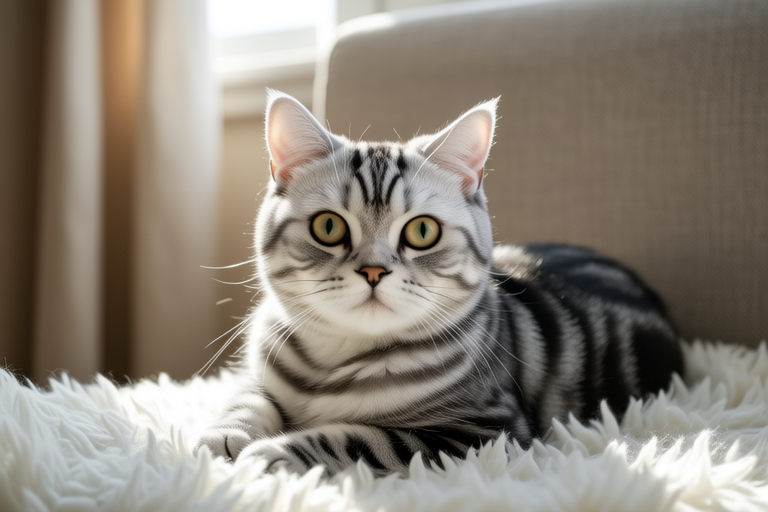
The Scottish Fold is a medium-sized breed with a round face, large eyes, and small, rounded ears that fold forward and downwards. Their appearance is complemented by a robust body and a thick, plush coat, which comes in a variety of colors and patterns. The breed originated in Scotland in the 1960s when a barn cat named Susie gave birth to a litter of kittens, one of which had folded ears. This genetic mutation led to the development of the Scottish Fold breed. Over the years, careful breeding has ensured that these cats retain their distinctive appearance while also developing a well-rounded temperament.
Playful Nature of Scottish Folds
One of the most endearing traits of Scottish Fold cats is their playful nature. They are curious and love to explore their surroundings, making them excellent companions for interactive games. Scottish Folds are particularly fond of toys that involve chasing, pouncing, or batting around. Owners can expect their cats to engage in playful activities for extended periods, especially during the early morning and evening hours when they have the most energy. These cats are also known for their agility and dexterity, often leaping onto high surfaces or balancing on narrow ledges, much to the amusement of their human companions.
Owners can encourage this playful side by providing a stimulating environment filled with climbing structures, scratching posts, and interactive toys. Puzzle feeders that dispense treats can also keep Scottish Folds mentally engaged, preventing boredom and promoting healthy physical activity. It’s important to note that while Scottish Folds enjoy playing, they do not require constant attention. They are capable of entertaining themselves, but providing regular play sessions helps strengthen the bond between the cat and its owner.
Transition to Chilled Demeanor
As Scottish Fold cats age, they tend to become more relaxed and serene. This transition is gradual and usually becomes noticeable around the age of two to three years. During this period, the cat may spend more time lounging around, enjoying the company of its owner without the need for constant interaction. Scottish Folds are known for their affectionate nature, and as they mature, they often seek out close proximity to their humans, curling up beside them on the couch or following them from room to room. This change in demeanor does not mean that the cat has lost its playful spirit; rather, it has found a balance between activity and rest.
The chilled demeanor of Scottish Folds is particularly evident in their interactions with other pets and people. They are generally friendly and adaptable, making them suitable for households with children or other animals. However, it’s important to introduce them gradually to new environments and individuals to ensure a smooth transition. Scottish Folds are not typically aggressive, but they may display territorial behavior if they feel threatened or uncomfortable. Owners should be mindful of these signs and take steps to prevent any conflicts.
Unique Characteristics of Scottish Folds
Scottish Fold cats possess several unique characteristics that set them apart from other breeds. One of the most notable is their distinctive folded ears, which give them an owl-like appearance. While this trait is visually appealing, it can also lead to health issues if the gene responsible for the folded ears is inherited from both parents. Responsible breeders work to minimize the risk of these problems by carefully selecting breeding pairs. Another characteristic of Scottish Folds is their expressive faces, which can convey a range of emotions, from curiosity and excitement to contentment and relaxation.
In addition to their physical attributes, Scottish Folds are known for their vocalizations. While they are not particularly loud, they do communicate through soft chirps, trills, and meows. Owners may find that their cats have different vocalizations for different situations, such as greeting their humans, requesting attention, or expressing discomfort. Learning to interpret these sounds can help owners better understand their cat’s needs and preferences. Scottish Folds are also known for their independent nature, often seeking solitude when they need to recharge. However, they still value the presence of their human companions and will likely return to seek affection once they’ve had some alone time.
Behavioral Development Over Time
The behavior of Scottish Fold cats evolves as they grow older, reflecting changes in their physical and emotional needs. Kittens are full of energy and curiosity, constantly exploring their surroundings and engaging in playful activities. As they reach adulthood, they become more settled and content, often spending more time resting and grooming. Senior Scottish Folds may show signs of slowing down, but they remain affectionate and responsive to their owners. Owners can support their cat’s behavioral development by providing a stable and enriching environment that meets their changing needs.
One of the key factors in the behavioral development of Scottish Folds is their socialization. Early exposure to different environments, people, and animals can help them become more adaptable and confident. However, it’s important to avoid overwhelming them with too many new experiences at once. Gradual introductions allow them to acclimate to their surroundings at their own pace. Regular veterinary check-ups and dental care are also essential for maintaining their overall health and well-being. By addressing their physical and emotional needs, owners can help their Scottish Fold cats thrive throughout their lives.
Tips for Potential Owners
For those considering adopting a Scottish Fold cat, there are several tips to keep in mind for nurturing their unique traits and ensuring a harmonious relationship:
- Provide ample space and stimulation: Scottish Folds are active and curious, so it’s important to provide them with plenty of space to move around and explore. Interactive toys, scratching posts, and climbing structures can help keep them entertained and physically fit.
- Promote gentle handling: Due to their folded ears, Scottish Folds should be handled gently to avoid causing discomfort or injury. Avoid pulling or tugging on their ears, and instead, focus on petting them in areas where they enjoy being touched.
- Encourage socialization: Early socialization can help Scottish Folds become more adaptable and confident. Introduce them to different environments, people, and animals gradually to ensure a positive experience.
- Establish routines: Scottish Folds thrive on consistency, so establishing a daily routine can help them feel secure and comfortable. Regular feeding times, play sessions, and grooming can contribute to their overall well-being.
- Pay attention to health concerns: While Scottish Folds are generally healthy, they are prone to certain genetic conditions, including osteochondrodysplasia, a condition affecting bone growth. Regular veterinary check-ups and a balanced diet can help mitigate these risks.
Balancing Playful and Serene Sides
The Scottish Fold’s ability to balance their playful and serene sides is one of their most endearing qualities. Owners can observe this balance in various scenarios. For example, a Scottish Fold might start the day by chasing after a feather toy, displaying its energetic and playful nature. As the day progresses, it may settle down on a cozy blanket, purring contentedly as its owner pets it. This transition from activity to rest demonstrates the cat’s adaptability and ability to find a comfortable equilibrium.
Another example of this balance is seen during mealtime. A Scottish Fold might initially approach its food bowl with enthusiasm, batting at the kibble or toys scattered around it. Once it has finished eating, it may curl up beside its owner, seeking comfort and companionship. This behavior reflects the cat’s ability to enjoy both physical and emotional fulfillment. By recognizing and nurturing these aspects of their personality, owners can foster a deep and meaningful bond with their Scottish Fold cat.
Conclusion
The Scottish Fold is a breed of cat that offers a delightful blend of playfulness and serenity. Their distinctive folded ears, combined with their affectionate and adaptable nature, make them beloved companions for many families. By understanding their unique personality traits and providing a nurturing environment, owners can help their Scottish Fold cats thrive and enjoy a fulfilling life. Whether engaging in playful activities or seeking out moments of peace, these cats offer endless joy and companionship to their human companions.
