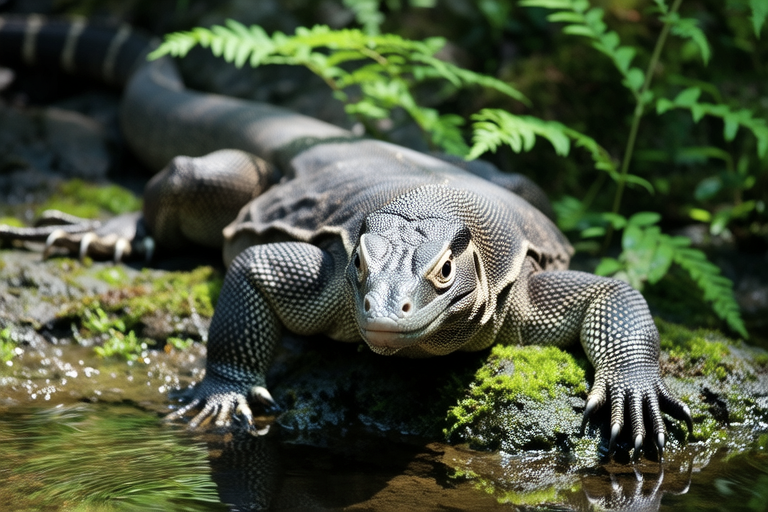
Exploring the Wild Side: Life with a Water Monitor as a Pet
The water monitor (Varanus salvator) is one of the largest lizards in the world, native to Southeast Asia. Their impressive size, intelligence, and adaptability make them an intriguing choice for reptile enthusiasts. However, owning a water monitor comes with significant responsibilities. This article delves into the unique characteristics of these creatures, their care requirements, and the rewards of sharing your home with a water monitor.
Unique Characteristics of Water Monitors
Water monitors can grow up to 7 feet long and weigh around 30 pounds. They are known for their powerful tails, which they use for swimming and defense. These lizards have sharp claws and teeth, making them formidable predators in the wild. In captivity, they display remarkable intelligence, often recognizing their caretakers and responding to commands.
Water monitors are semi-aquatic, spending time both on land and in water. Their natural habitats include swamps, rivers, and coastal areas. They are excellent climbers and swimmers, using their strong limbs to navigate through trees and water bodies. Their diet consists of fish, frogs, insects, small mammals, and birds.
Care Requirements
Habitat Setup
Adequate space is crucial for water monitors. A minimum enclosure size of 8 feet by 4 feet by 6 feet is recommended for adult monitors. The enclosure should have a deep water area, at least half the length of the lizard, with a ramp for easy access. The water should be kept clean and free from harmful bacteria. A basking area with UVB lighting and a heat lamp is essential for proper thermoregulation.
Substrate options include reptile carpet, newspaper, or cypress mulch. Avoid using sand or loose substrates that could cause impaction if ingested. Decorations like logs, rocks, and branches provide enrichment and climbing opportunities. Ensure all items are securely placed to prevent tipping or falling.
Diet
Water monitors are carnivorous and require a varied diet to ensure proper nutrition. Offer a mix of live prey such as mice, rats, feeder fish, crickets, and mealworms. Feed young monitors daily, reducing frequency to every other day for adults. Gut-load insects with nutritious food before feeding to enhance nutritional value. Calcium and vitamin D3 supplements should be dusted onto prey items twice weekly.
Health Considerations
Regular veterinary check-ups are vital for maintaining a water monitor’s health. Common issues include respiratory infections, metabolic bone disease, and parasites. Signs of illness include lethargy, loss of appetite, difficulty breathing, and discharge from the eyes or nose. Early detection and treatment are crucial for recovery.
Water monitors shed their skin periodically. Assist your pet during shedding by providing a humid hide box and ensuring proper hydration. Monitor for retained patches of old skin, which may need gentle assistance to remove.
Tips for Handling and Bonding
Handling your water monitor requires patience and respect. Start by building trust through consistent interactions. Use a hook or tongs when handling larger individuals to avoid injury. Always approach calmly and slowly, allowing the monitor to become accustomed to your presence.
Bonding with your water monitor can be rewarding. Spend time observing their behavior and learning their preferences. Reward positive interactions with treats and praise. Some monitors may even learn to recognize their name and respond to simple commands.
Common Challenges and Advice
Owning a water monitor presents several challenges. One of the most significant is the sheer size of the enclosure required. Many owners underestimate the space needed and struggle to accommodate their growing pet. Research thoroughly before committing to ensure you can provide adequate living conditions.
Another challenge is dietary variety. Providing a balanced diet can be difficult due to the limited availability of some prey items. Consider supplementing with commercially prepared monitor food or frozen-thawed alternatives. Rotate prey types regularly to maintain interest and ensure nutritional diversity.
Behavioral issues may arise, particularly if the monitor feels threatened or stressed. Aggression can manifest as biting or tail whipping. Address these issues by creating a secure, enriching environment and offering consistent, gentle handling. Consult a veterinarian or experienced keeper for guidance if problems persist.
Why Choose a Water Monitor?
Despite the challenges, many reptile enthusiasts find owning a water monitor incredibly rewarding. These intelligent animals offer a unique companionship experience, with each monitor developing its own personality. Watching them explore their enclosure, swim, and hunt is fascinating. The bond formed between owner and pet can be deeply satisfying.
For those willing to commit to the demands of water monitor ownership, the experience can be truly enriching. The satisfaction of caring for such a magnificent creature and witnessing its growth and development is unparalleled.
In conclusion, while owning a water monitor requires dedication and resources, it can be a fulfilling and rewarding experience for the right individual. By understanding their needs and providing appropriate care, you can enjoy a long-term relationship with these captivating reptiles.
