Debunking Myths About Living With a Tarantula as a Pet
Tarantulas have long been shrouded in mystery and misconception, often portrayed as aggressive, terrifying creatures in popular culture. However, these fascinating arachnids make excellent pets for those willing to understand and appreciate them. This article aims to dispel common myths surrounding tarantulas as pets, offering a comprehensive guide to their behavior, care, and interaction with humans.
Understanding Tarantulas: Beyond the Myth
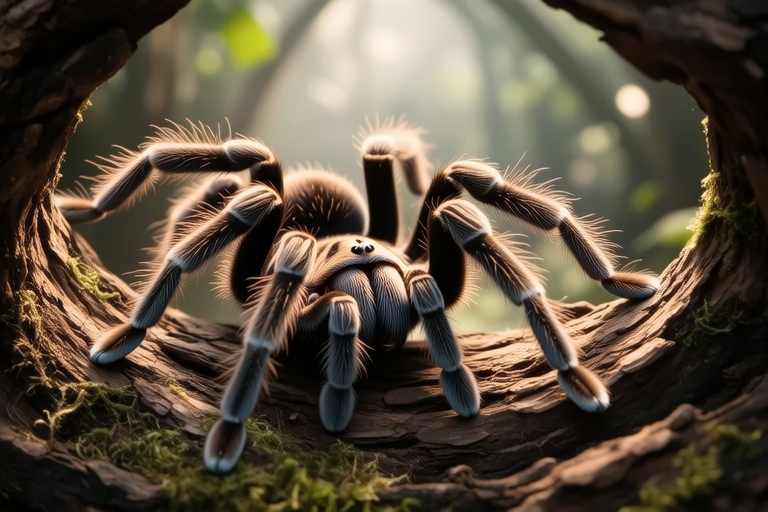
Tarantulas belong to the family Theraphosidae and are among the largest spiders in the world. Despite their intimidating appearance, most species are docile and pose little threat to humans. Contrary to popular belief, tarantulas are not aggressive by nature. They are generally shy creatures that prefer to avoid confrontation. Their primary defense mechanism is their ability to release urticating hairs from their abdomen when threatened, which can cause irritation if they come into contact with skin or eyes.
When considering a tarantula as a pet, it’s important to understand that they are solitary animals, typically living alone in burrows or tree hollows in the wild. In captivity, they require minimal interaction, making them ideal pets for individuals who enjoy observing rather than handling their animals. Their care requirements are straightforward, focusing on providing the right environment and diet.
The Reality of Tarantula Care: Habitat and Diet
Tarantulas are native to various regions, including deserts, rainforests, and grasslands. Their natural habitats influence their specific care requirements, but there are general guidelines for creating an optimal environment. A terrarium with appropriate substrate, such as coconut fiber or bark chips, provides a secure hiding place and mimics their natural surroundings. Temperature and humidity levels must be maintained according to the species’ origin, with tropical species requiring higher humidity and warmer temperatures compared to desert species.
Dietary needs vary based on the tarantula’s size and age. Younger tarantulas feed primarily on small insects like crickets, while adults can consume larger prey, such as mealworms or even pinkie mice. It’s crucial to offer food items that are appropriately sized to prevent injury to the tarantula during feeding. Feeding frequency depends on the species and the individual’s growth stage, usually ranging from once a week for juveniles to every few weeks for adults.
Myth vs. Reality: Interaction with Humans
One of the most pervasive myths about tarantulas is their aggression towards humans. While tarantulas can bite if provoked or mishandled, bites from most species are harmless and comparable to a bee sting. The venom is designed to subdue prey, not to harm humans. Handling tarantulas should be done with extreme caution, as stress can trigger defensive behaviors. For this reason, many owners choose not to handle their tarantulas at all, instead enjoying them as passive companions.
Health concerns related to tarantulas are minimal, especially when proper care is provided. Regular monitoring of the terrarium’s cleanliness, temperature, and humidity helps maintain the tarantula’s health. Occasional shedding, known as molting, is a normal part of their life cycle and requires special attention to ensure the tarantula remains undisturbed during this vulnerable period.
Tips for Optimal Care and Environments
For those considering a tarantula as a pet, here are some essential tips:
- Research Your Species: Different species have varying care requirements, so choosing the right tarantula is crucial. Research thoroughly before purchasing to ensure you can provide the necessary environment and care.
- Provide Adequate Space: A spacious terrarium allows your tarantula to move freely and find hiding spots. Ensure the enclosure is escape-proof and offers vertical space for climbing.
- Monitor Environmental Conditions: Use thermometers and hygrometers to monitor temperature and humidity levels. Adjust these conditions based on the species’ specific needs.
- Offer a Varied Diet: Provide a balanced diet consisting of different insect species to ensure your tarantula receives all necessary nutrients. Gut-loading feeder insects with vitamins can enhance their nutritional value.
- Minimize Handling: Limit handling to reduce stress on your tarantula. If handling is necessary, always support the tarantula’s body and avoid touching its abdomen or legs.
Conclusion
Living with a tarantula as a pet can be a rewarding experience for those willing to learn about and respect these unique creatures. By understanding their behavior, habitat needs, and dietary habits, potential owners can provide optimal care and create a safe, enriching environment for their tarantulas. While tarantulas may not be for everyone, for those who appreciate their beauty and complexity, they can make fascinating and low-maintenance companions.
Remember, owning any pet comes with responsibilities. Before bringing a tarantula into your home, ensure you’re prepared to meet its specific needs and commit to its care for its entire lifespan, which can range from several years to decades depending on the species. With patience, knowledge, and respect, tarantulas can be delightful additions to any exotic pet collection.
