From Ocean to Tank: The Complete Guide to Clownfish Care
Introduction to Clownfish Species Diversity and Their Natural Habitat
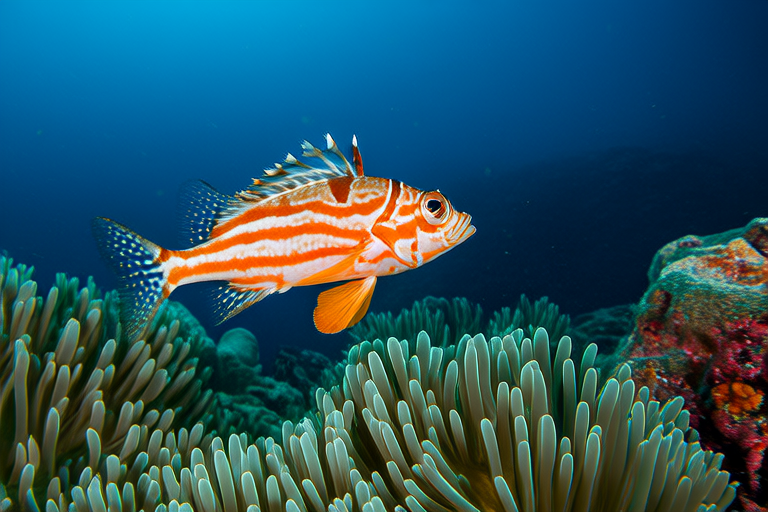
Clownfish, also known as anemonefish, belong to the genus Amphiprion and Premnas, and there are around 30 different species of clownfish found in the wild. These colorful fish are native to the warm waters of the Pacific and Indian Oceans, where they live in symbiosis with sea anemones. Their vibrant hues range from orange and yellow to red and black, making them one of the most recognizable and popular fish for home aquariums.
Clownfish are typically found in coral reefs, lagoons, and seaward reefs, where they can be seen darting among the tentacles of their host anemones. In the wild, they have a unique relationship with these anemones, which provide protection from predators while the clownfish offer food by bringing them leftovers from their meals.
Setting Up an Appropriate Tank Environment
To ensure your clownfish thrive in captivity, it’s essential to create a suitable tank environment that mimics their natural habitat. A minimum tank size of 20 gallons is recommended for a single clownfish, but for a pair or a small group, you’ll need at least 30 gallons. This allows enough space for swimming and provides a sense of security.
Choose a tank shape that has ample swimming room, such as a long, rectangular tank. The tank should be equipped with a tight-fitting lid to prevent the clownfish from jumping out. It’s important to maintain a stable temperature between 76°F and 82°F (24°C and 28°C) and a pH level between 8.1 and 8.4.
Necessary Equipment
For a healthy clownfish tank, you’ll need several pieces of equipment:
- Heater: Maintain the water temperature within the desired range.
- Air Pump: Ensure proper oxygenation of the water.
- Filter: Remove waste and keep the water clean.
- Substrate: Sand or fine gravel to resemble their natural habitat.
- Lighting: Provide a 10-12 hour light cycle to simulate day and night.
Water Parameters and Filtration Systems
Water quality is crucial for the health of your clownfish. Regularly test the water parameters using a reliable test kit to ensure:
- Ammonia levels remain at 0 ppm.
- Nitrite levels are at 0 ppm.
- Nitrate levels are below 20 ppm.
- Salinity is between 1.020 and 1.025 specific gravity.
Use a high-quality filter system capable of handling the tank volume effectively. Biological, mechanical, and chemical filtration are all important. Consider adding live rock and live sand to encourage beneficial bacteria growth, which aids in breaking down harmful substances.
Diet and Feeding Habits
Clownfish are omnivores and require a balanced diet of meaty foods and plant matter. In the wild, they feed on zooplankton, algae, and leftover food from their anemone hosts. In captivity, they can be fed a variety of foods including:
- Flake food
- Frozen or freeze-dried brine shrimp
- Small pieces of seafood like scallops or squid
- Algae wafers
Feed your clownfish two to three times daily, offering only what they can consume within a few minutes. Overfeeding can lead to poor water quality and health problems.
Breeding Techniques
Breeding clownfish in captivity requires specific conditions. First, you’ll need a breeding pair. Clownfish are sequential hermaphrodites, meaning each individual starts life as a male and can later become female if no other females are present. To encourage spawning, provide a suitable spawning site, such as a flat rock or a PVC pipe.
Increase the water temperature slightly to 82°F to 84°F and raise the salinity to 1.025. Feed the pair a diet rich in protein to prepare them for breeding. Once the eggs are laid, they will hatch in about six to seven days. The fry will be free-swimming after a few more days and can then be fed rotifers and baby brine shrimp.
Common Health Issues and Preventive Measures
Despite their hardiness, clownfish can suffer from various health issues:
- Ich: Small white spots on the body caused by parasites. Treat with medications specifically designed for ich.
- Fin Rot: Fungal or bacterial infection causing fin deterioration. Improve water quality and use antibiotics if necessary.
- Anemone Disease: Symptoms include lethargy, loss of color, and swollen bodies. Ensure optimal water conditions and avoid overcrowding.
Preventive measures include regular water changes, maintaining excellent water quality, and quarantining new fish before introducing them to the main tank.
Tips for Maintaining a Healthy and Thriving Clownfish Population
To ensure your clownfish remain healthy and happy, follow these tips:
- Perform weekly water changes of about 10% to 20%.
- Monitor water parameters closely and address any issues promptly.
- Provide hiding spots and plenty of swimming space.
- Feed a varied diet to meet all nutritional needs.
- Observe your fish regularly for signs of stress or illness.
By creating a suitable environment, providing proper care, and addressing potential health issues early, you can enjoy a vibrant and thriving population of clownfish in your aquarium.
