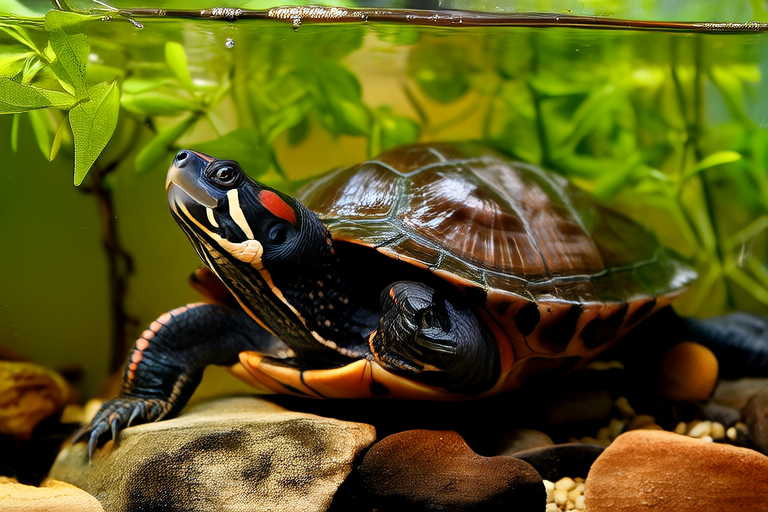
Top Secrets for Thriving Red-Eared Slider Turtle Care
Welcome to your ultimate guide on how to care for red-eared slider turtles! These fascinating reptiles are popular pets due to their vibrant appearance and relatively low maintenance requirements. However, to ensure they thrive, it’s crucial to understand their specific needs and provide them with an environment that closely mimics their natural habitats.
Habitat Setup: Creating a Natural Environment
The first step in caring for your red-eared slider turtle is setting up its habitat correctly. These turtles are semi-aquatic, meaning they spend significant time both in and out of the water. Therefore, a well-designed tank or pond is essential.
Water Depth: Red-eared sliders need a depth of at least 12 inches of water to swim comfortably. Deeper tanks are even better as they allow more swimming space and help maintain stable water temperatures.
Basking Area: Just like in their natural habitats, red-eared sliders need a place to bask. This area should be large enough for the turtle to completely dry off and positioned under a UVB light source. A floating dock or a sloped land area connected to the water is ideal.
Temperature Control: Maintaining the correct temperature is vital for your turtle’s health. Water temperatures should be kept between 75°F and 80°F (24°C to 27°C), while the basking spot should reach around 90°F (32°C).
Filtration: Proper filtration is necessary to keep the water clean and free from harmful bacteria. Choose a filter that can handle the volume of water in your tank effectively.
Water Quality Maintenance: Keeping It Clean
Red-eared sliders are susceptible to various diseases if their water isn’t kept clean. Here are some tips to ensure optimal water quality:
Regular Water Changes: Change at least 25% of the water weekly and perform a full water change every two weeks. Use dechlorinated water to avoid introducing harmful chemicals.
Chemical Treatments: Avoid using harsh chemicals to treat water. Instead, opt for natural methods like adding aquarium salt or using beneficial bacteria supplements.
Monitor pH Levels: The pH level of the water should ideally be between 6.5 and 8.0. Regular testing and adjustments are necessary to maintain this balance.
Diet Specifics: Feeding Your Turtle Right
Proper nutrition is key to keeping your red-eared slider healthy and active. Their diet should consist of a balanced mix of proteins, vegetables, and occasional fruits.
Protein Sources: Feed your turtle high-quality commercial turtle pellets, insects, earthworms, and occasional small fish. Ensure these protein sources are gut-loaded and dusted with calcium powder.
Vegetables and Fruits: Offer leafy greens such as romaine lettuce, collard greens, and dandelion leaves. Occasional treats of berries or melons can also be given.
Calcium Supplementation: Calcium is essential for strong shells and bones. Dust your turtle’s food with calcium powder regularly, especially if you notice any signs of shell deformities.
Health Monitoring: Spotting Early Signs of Trouble
Regular health checks are crucial to catch any issues early. Look out for signs of illness such as lethargy, loss of appetite, swollen eyes, or irregular breathing.
Shell Health: Inspect your turtle’s shell for any cracks, soft spots, or discoloration. A healthy shell is smooth and hard.
Eyes and Nose: Clear, open eyes and nostrils indicate good health. Discharge or swelling may suggest respiratory infections.
Behavioral Changes: Sudden changes in behavior, such as refusing food or excessive hiding, could signal underlying health problems.
Common Mistakes to Avoid
Even experienced turtle owners might make mistakes. Here are some common pitfalls to watch out for:
Overfeeding: Overfeeding can lead to obesity and other health issues. Stick to feeding once or twice a week.
Inadequate Lighting: UVB lighting is essential for vitamin D synthesis. Ensure the bulb is positioned correctly and replaced every six months.
Poor Filtration: Inadequate filtration can cause ammonia build-up, which is toxic to turtles. Invest in a reliable filter and maintain it properly.
Mimicking Natural Environments: Why It Matters
Red-eared sliders have evolved to thrive in specific environmental conditions. By mimicking these conditions, you’re not only providing a comfortable living space but also promoting their overall health and longevity.
Scientific studies show that turtles raised in environments that closely resemble their natural habitats exhibit better growth rates and lower incidences of disease. For instance, a study published in the Journal of Herpetology found that turtles housed in larger enclosures with ample swimming areas grew faster than those in smaller, less stimulating environments.
Responsibilities of Ownership: A Long-Term Commitment
Owning a red-eared slider turtle is a significant responsibility that requires a long-term commitment. These turtles can live for over 40 years, so it’s important to consider the time and resources needed to care for them throughout their lifespan.
Time Investment: Regularly cleaning the habitat, monitoring health, and adjusting the environment as your turtle grows all require time. Be prepared to dedicate several hours each week to maintaining your turtle’s home.
Financial Considerations: Initial setup costs can be substantial, including the purchase of the tank, filtration system, heating devices, and lighting. Ongoing expenses include food, supplements, and veterinary care.
Legal and Ethical Considerations: Before acquiring a red-eared slider, check local regulations regarding pet ownership. Some regions prohibit the sale or ownership of these turtles due to concerns about invasive species.
In conclusion, taking care of a red-eared slider turtle is a rewarding experience that brings joy and companionship. By understanding and addressing their specific needs, you can ensure your turtle lives a long, healthy, and happy life. Remember, these turtles are not just pets; they are sentient beings that require dedicated care and attention. With the right knowledge and commitment, you can provide your red-eared slider with everything it needs to thrive.
