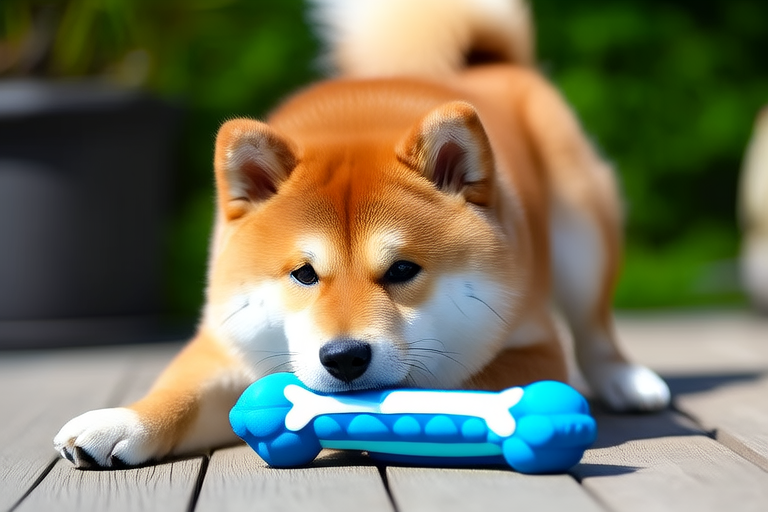
The Ultimate Guide to Raising a Happy and Healthy Shiba Inu Puppy
Welcome to the comprehensive guide that will help you understand and manage all aspects of raising a Shiba Inu puppy. From initial care to understanding their unique behaviors, this guide covers everything you need to know to ensure your Shiba Inu grows into a happy, healthy adult.
Initial Puppy Care
Bringing home a new Shiba Inu puppy is an exciting time. The first few weeks are crucial for establishing trust and comfort. Ensure your puppy has a safe, quiet space with a comfortable bed, food and water bowls, and toys. Puppies have small bladders, so expect frequent potty breaks, especially during the first few months. Consistent feeding times can also help regulate bathroom habits.
Nutrition Tailored for Shibas
Shibas require a balanced diet rich in protein and fat. High-quality dog food formulated for small breeds or puppies is ideal. Avoid overfeeding; obesity can lead to health problems. Consult your vet for personalized dietary recommendations based on your puppy’s age, weight, and activity level. Fresh water should always be available.
Effective Training Methods
Training is key to a well-behaved Shiba Inu. Start with basic commands like ‘sit,’ ‘stay,’ and ‘come.’ Positive reinforcement, such as treats and praise, works best. Shibas are independent and may test boundaries, so consistency is crucial. Use short, fun sessions to keep them engaged. Avoid harsh punishments; they can lead to fear or aggression.
Exercise Routines
Shibas are energetic dogs that need regular physical activity. Daily walks and playtimes help burn energy and prevent boredom. Agility courses, fetch games, and interactive toys are great ways to engage them mentally and physically. Ensure they get enough exercise to maintain a healthy weight and prevent destructive behaviors.
Grooming Tips
Grooming is essential for Shibas due to their thick double coat. Brush them at least twice a week to remove loose hair and prevent matting. Regular baths (every 6-8 weeks) keep their coat clean and healthy. Check ears weekly for signs of infection and trim nails when needed. Professional grooming might be necessary for more intensive care.
Common Health Issues
Shibas are generally healthy, but they can develop certain conditions. Hip dysplasia, patellar luxation, and eye disorders are common. Regular check-ups with a veterinarian can catch these issues early. Maintain a healthy weight and provide proper nutrition to support overall health.
Socialization Techniques
Socializing your Shiba Inu is vital for their development. Introduce them to various people, animals, and environments from an early age. Positive experiences help them become confident and friendly adults. Controlled environments like puppy classes are excellent for socialization. Avoid overwhelming them; gradual exposure is key.
Understanding Shiba Inu Behavior
Shibas are known for their independent and sometimes aloof nature. They form strong bonds with their owners but can be reserved with strangers. Early socialization helps them overcome shyness. They can be stubborn, so patience and consistency are essential in training. Understanding their behavior can help you better connect with your Shiba Inu.
Mental Stimulation Activities
To keep your Shiba Inu mentally stimulated, introduce puzzle toys, treat-dispensing gadgets, and training games. These activities engage their minds and reduce boredom. Rotate toys to keep things interesting. Mental exercises are just as important as physical ones for preventing behavioral issues.
Addressing Specific Behavioral Challenges
Shibas can be challenging to train due to their independent nature. Common issues include separation anxiety, excessive barking, and digging. For separation anxiety, gradually increase the time you leave your puppy alone. Distract them with toys and create a comfortable space. For barking, teach the ‘quiet’ command and reward calm behavior. Redirect digging with appropriate outlets like digging pits.
Advice on Adapting to Living Environments
Shibas adapt well to various living situations but thrive in environments where they receive attention and exercise. Apartment living is manageable if you ensure they get enough outdoor time. A fenced yard provides ample space for running and playing. Regardless of location, provide a safe, comfortable indoor area for resting and sleeping.
Conclusion
Raising a Shiba Inu puppy is a rewarding journey filled with love and challenges. By following this guide, you’ll be well-equipped to provide the care and attention your Shiba Inu needs to grow into a happy, healthy adult. Remember, every dog is unique, so tailor your approach to suit your individual pet’s needs. With dedication and patience, you and your Shiba Inu will share many wonderful years together.
