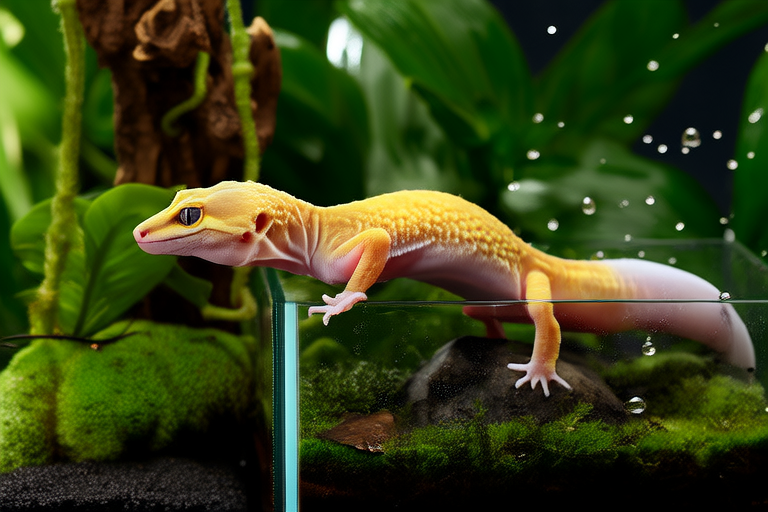
Top Secrets to Keeping Your Chameleon Happy and Healthy at Home
Welcome to the fascinating world of chameleons! These unique reptiles are not only beautiful but also require specific care to thrive in captivity. As a responsible pet owner, it’s crucial to understand how to provide your chameleon with a habitat that closely mimics its natural environment. This guide will walk you through essential tips on setting up the perfect habitat, managing temperature and humidity, feeding, lighting, handling, and more. Let’s dive into the top secrets to keeping your chameleon happy and healthy at home.
Creating the Ideal Habitat
The first step in ensuring your chameleon’s happiness and health is creating an ideal habitat. Chameleons are arboreal creatures, meaning they live in trees. Therefore, their enclosure should be tall and spacious, allowing them ample room to climb and explore. A minimum size for a single adult chameleon is 24x24x48 inches, but larger enclosures are always better.
Within the enclosure, include a variety of branches and vines for climbing. The branches should vary in diameter and texture to encourage exercise and mental stimulation. Live or artificial plants can also be added to create hiding spots and enhance the overall aesthetic appeal of the enclosure.
It’s important to avoid overcrowding the enclosure with too many decorations, as this can hinder ventilation and increase the risk of respiratory infections. Always ensure there is enough space for your chameleon to move around freely.
Temperature and Humidity Control
Maintaining the correct temperature and humidity levels is vital for your chameleon’s well-being. In the wild, chameleons bask in the sun to regulate their body temperature. Therefore, it’s crucial to provide a thermal gradient within the enclosure, with one side being warmer than the other.
The basking spot should reach between 90°F and 95°F (32°C to 35°C), while the cooler end should be around 75°F to 80°F (24°C to 27°C). Use a digital thermometer and thermostat to monitor these temperatures accurately. Position the basking lamp so that it heats a specific area without affecting the entire enclosure.
Humidity is another critical factor. Chameleons need a humidity level of 50% to 70%, which can be achieved through regular misting or using a fogger. Misting should occur several times daily, especially in the morning and evening, to simulate natural dew. However, avoid over-misting, as excess moisture can lead to mold growth and respiratory problems.
Diet Specifics
Chameleons are insectivores, meaning their diet consists primarily of insects. It’s essential to offer a diverse range of prey items to ensure your chameleon receives all necessary nutrients. Common feeder insects include crickets, dubia roaches, waxworms, silkworms, and hornworms. Each type of insect provides different nutritional benefits, so variety is key.
Before feeding, gut-load the insects with nutritious vegetables and fruits to enhance their nutritional value. Dust the insects with a high-quality calcium supplement once or twice a week, and a multivitamin supplement once a week. Avoid over-supplementing, as this can lead to health issues such as metabolic bone disease.
Feeding frequency depends on the age and size of your chameleon. Juveniles may require daily feedings, while adults can be fed every other day. Always remove any uneaten insects after an hour to prevent stress and potential injury to your chameleon.
Lighting Requirements for UVB Exposure
UVB light is crucial for chameleons, as it helps them synthesize vitamin D3, which aids in calcium absorption. Without adequate UVB exposure, your chameleon may develop metabolic bone disease, leading to weakened bones and deformities.
Select a high-quality UVB bulb designed for reptiles, and position it above the basking spot. Replace the bulb every six months, even if it still appears functional, as UVB output diminishes over time. Provide 10 to 12 hours of UVB exposure daily, followed by a period of darkness to mimic a natural day-night cycle.
In addition to UVB lighting, full-spectrum lighting is recommended to provide a balanced spectrum of light. This can be achieved through LED or fluorescent bulbs specifically designed for reptile habitats. These lights help maintain a natural environment and promote overall health.
Handling Techniques
While chameleons are captivating pets, they are not particularly fond of handling. Their natural behavior includes avoiding contact with other animals, including humans. Therefore, it’s best to limit handling to necessary tasks like cleaning the enclosure or moving your chameleon to a separate area for baths.
If you must handle your chameleon, approach slowly and gently, supporting its body with both hands. Avoid squeezing or restraining it, as this can cause stress and injury. Chameleons can become stressed easily, so keep interactions brief and calm.
Signs of a Healthy Chameleon
A healthy chameleon exhibits certain behaviors and physical characteristics. Regularly observe your chameleon to ensure it remains in good condition. Here are some signs of a healthy chameleon:
- Active and alert during the day
- Good appetite
- Clear eyes and nostrils
- Healthy skin coloration
- Normal movement and posture
If you notice any changes in your chameleon’s behavior or appearance, consult a veterinarian specializing in reptiles for guidance.
Common Health Issues to Watch For
Despite your best efforts, chameleons can sometimes fall ill. Being aware of common health issues can help you catch problems early and seek appropriate treatment. Some common health issues include:
- Metabolic Bone Disease (MBD): Caused by inadequate calcium intake or insufficient UVB exposure. Symptoms include swollen limbs, soft jaw, and lethargy.
- Respiratory Infections: Characterized by labored breathing, nasal discharge, and open-mouth breathing. Often caused by poor ventilation or excessive humidity.
- Stress: Can manifest as loss of appetite, lethargy, and color fading. Stress can result from improper handling, overcrowded enclosures, or sudden changes in the environment.
Regular veterinary check-ups and prompt action when symptoms appear can significantly improve your chameleon’s chances of recovery.
Maintaining a Stress-Free Environment
Chameleons are highly sensitive to their surroundings, and stress can have detrimental effects on their health. To maintain a stress-free environment, follow these tips:
- Avoid placing the enclosure in areas with frequent human traffic or loud noises.
- Ensure the enclosure is secure and escape-proof to prevent stress and injury.
- Provide plenty of hiding spots and vertical space for climbing and exploration.
- Minimize handling and interactions to reduce stress.
By creating a calm and stable environment, you can help your chameleon thrive and enjoy a long, healthy life.
Conclusion
Keeping your chameleon happy and healthy requires dedication and attention to detail. By mimicking its natural habitat as closely as possible, providing proper nutrition, maintaining optimal temperature and humidity levels, and minimizing stress, you can ensure your chameleon leads a fulfilling life. Remember, each chameleon is unique, so take the time to understand your pet’s individual needs and preferences. With love, care, and commitment, you can provide a wonderful home for your chameleon.
