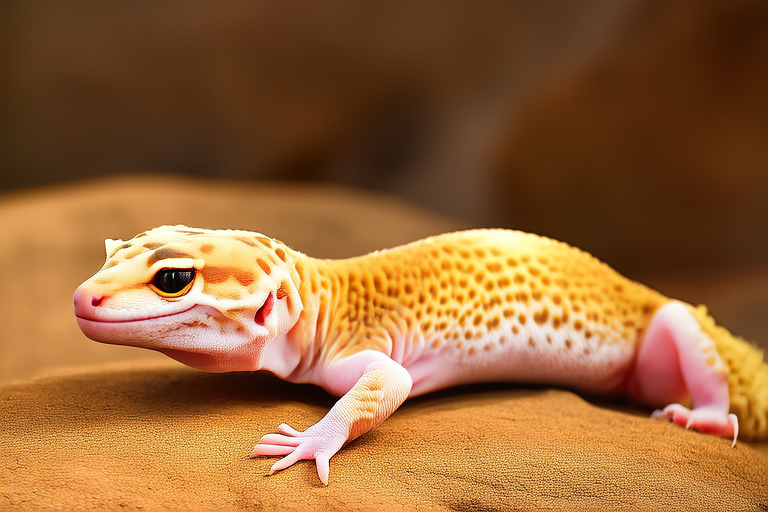
The Surprising Reasons Why Leopard Geckos Make Perfect Pets
Leopard geckos have been gaining immense popularity among reptile enthusiasts over the years. These small, nocturnal lizards, native to the arid regions of Pakistan, India, and Afghanistan, have become a favorite choice for first-time reptile owners and seasoned herpetologists alike. With their unique appearance, easy care, and docile nature, it’s no wonder why they are often referred to as the perfect pet.
A Growing Trend: The Rise of Leopard Geckos as Pets
The rise in the popularity of leopard geckos as pets can be attributed to several factors. Their manageable size, typically ranging from 7 to 10 inches in length, makes them ideal for apartment living. Moreover, their vibrant color patterns and unique spots add an aesthetic appeal that many find captivating. The relative ease of caring for them has also contributed to their widespread adoption. Unlike some other exotic pets, leopard geckos do not require extensive space or complex care routines, making them an attractive option for those interested in keeping reptiles as companions.
Why Leopard Geckos Are Ideal for Beginners
One of the primary reasons why leopard geckos make perfect pets is their low maintenance needs. They thrive in environments that are relatively simple to set up and maintain. For instance, their housing requirements are straightforward; a 10-gallon tank is sufficient for one adult gecko, ensuring they have enough space to move around comfortably without overcrowding. This simplicity extends to their dietary needs as well. Leopard geckos are insectivores, primarily feeding on crickets and mealworms, which are easily obtainable at local pet stores. Additionally, their docile temperament means they are generally calm and easy to handle, even for those who might be nervous about interacting with animals.
Habitat Setup: Creating a Comfortable Home for Your Gecko
Setting up a suitable habitat for your leopard gecko is crucial for their health and happiness. A well-designed enclosure should mimic their natural environment as closely as possible while providing all necessary elements for a healthy life. Begin by selecting an appropriately sized tank with secure ventilation to prevent escapes. Add substrate such as paper towels or reptile-safe sand to create a comfortable floor. It’s important to avoid cedar or pine shavings, as these can be harmful if ingested. Provide hiding spots like caves or logs to give your gecko places to retreat when feeling stressed or needing privacy. Temperature control is another essential aspect of habitat setup. Leopard geckos need a thermal gradient within their enclosure, with one side warmer (around 88-90°F) and the other cooler (around 75-80°F). This allows them to regulate their body temperature effectively. Lastly, ensure there is access to fresh water daily, either through a shallow dish or misting the enclosure periodically.
Dietary Needs: Feeding Your Leopard Gecko Properly
Understanding the dietary needs of your leopard gecko is vital for maintaining its health. As mentioned earlier, leopard geckos are insectivores, meaning their diet consists mainly of insects. Crickets and mealworms are the most commonly fed prey items but occasionally offering waxworms or super worms can provide variety and additional nutrients. It’s important to gut-load the insects before feeding them to your gecko. Gut loading involves feeding nutritious foods to the insects themselves so that when eaten by the gecko, they deliver more beneficial vitamins and minerals. Calcium supplementation is also crucial, especially for younger geckos still growing. Dusting feeder insects with calcium powder ensures that your pet receives adequate amounts of this vital nutrient. Overfeeding should be avoided; feeding every other day or three times per week is usually sufficient depending on age and activity level.
Handling Tips: Building a Bond with Your Gecko
Handling your leopard gecko regularly helps build trust between you and your pet, but it must be done carefully to avoid stress or injury. Always wash your hands before handling to remove any potential contaminants. Gently pick up your gecko using both hands, supporting its entire body rather than just grabbing it by the tail or limbs. Allow your gecko time to adjust to being held and gradually increase the duration of each session. Some geckos may initially resist being handled, but consistent gentle interactions will help them become more comfortable over time. Remember, patience is key when bonding with any animal, especially those with different sensory perceptions like reptiles.
Health Concerns: Keeping Your Gecko Happy and Healthy
Despite their reputation for being hardy creatures, leopard geckos can still face certain health issues if not properly cared for. One common problem is metabolic bone disease (MBD), which occurs due to insufficient calcium intake or improper calcium-phosphorus ratios in their diet. Signs include weak limbs, softening of bones, and difficulty moving. Ensuring proper nutrition and vitamin D3 supplementation through UVB lighting can prevent MBD. Another concern is impaction, where undigested food particles or substrate blockages cause intestinal obstructions. To minimize risk, feed only appropriate-sized prey items and avoid loose substrates like sand or gravel. Regular veterinary check-ups and maintaining clean living conditions are essential preventive measures against various ailments.
Common Behaviors: Understanding Your Gecko’s Natural Instincts
Understanding the typical behaviors of your leopard gecko can enhance your ability to provide optimal care and enjoy their company fully. Like many reptiles, leopard geckos are primarily active during twilight hours, making nighttime observation particularly rewarding. They exhibit various postures and movements based on mood or situation. For example, puffing out their bodies might indicate fear or discomfort, whereas flicking their tongues is a normal behavior used for scent detection. Recognizing these cues helps establish stronger bonds and promotes better overall welfare.
Where to Adopt or Purchase: Responsible Ownership Starts Here
When considering adding a leopard gecko to your family, it’s essential to approach this decision thoughtfully. Adopting from reputable breeders or shelters ensures that you’re supporting ethical practices and potentially rescuing a gecko in need. Research thoroughly to find experienced sellers who prioritize the wellbeing of their animals. Avoid purchasing from online marketplaces or individuals known for poor breeding standards. Once you’ve chosen your gecko, commit to providing lifelong care, understanding that these charming creatures can live upwards of 20 years. By doing so, you’re not just acquiring a pet but taking on a long-term responsibility that requires dedication and love.
In conclusion, leopard geckos offer a delightful blend of beauty, ease of care, and companionship that makes them stand out among other reptilian pets. Their adaptability to human households combined with their fascinating behaviors creates a unique bond between owner and pet. Whether you’re a novice looking for a first reptile or an experienced keeper seeking a new addition, leopard geckos provide endless opportunities for enjoyment and learning. Embrace the journey of becoming a responsible owner, and you’ll be rewarded with years of joy watching these captivating little lizards thrive under your care.
