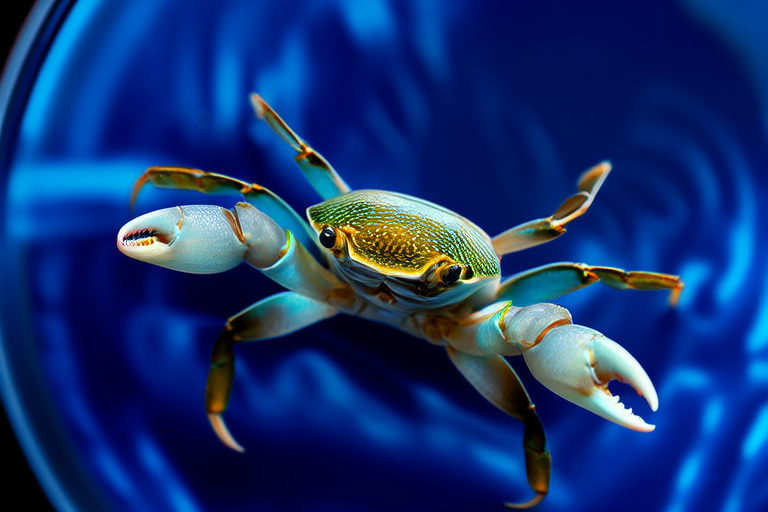
The Enigmatic Life Cycle, Habitat, and Symbiotic Relationships of Pea Crabs
Pea crabs, members of the family Pinnotheridae, are among the smallest crustaceans known to science, measuring just a few millimeters in length. These tiny creatures lead a fascinating existence, hidden within the bodies of bivalves such as oysters, clams, and mussels. Their microscopic size and intricate symbiotic relationships make them a captivating subject for marine biologists. This article delves into the unique life cycle, habitat, and symbiotic relationships of pea crabs, highlighting their fascinating behaviors and adaptations within their host environments. Additionally, we will explore recent scientific discoveries and conservation efforts related to these enigmatic creatures.
The Unique Life Cycle of Pea Crabs
The life cycle of pea crabs is both complex and intriguing. After hatching from eggs, the larvae enter the planktonic stage, drifting in the ocean currents. During this phase, they feed on phytoplankton and zooplankton, growing rapidly before settling on a suitable host. The choice of host is crucial for the survival of the pea crab, as it provides shelter, protection, and a constant food supply. Once the larvae find a suitable host, they undergo a metamorphosis that allows them to adapt to life within the bivalve’s mantle cavity. This transformation includes changes in body shape, appendages, and sensory organs, enabling the pea crab to thrive in its new environment.
Habitat and Host Selection
Pea crabs are found in various marine habitats, including coastal waters, estuaries, and deep-sea environments. They are particularly abundant in areas with high biodiversity and nutrient-rich waters. The choice of host is critical for pea crabs, as they rely on their hosts for protection, nutrition, and reproduction. Oysters, clams, and mussels are the most common hosts for pea crabs, providing ample space and resources for these tiny creatures. The relationship between pea crabs and their hosts is mutually beneficial, with the pea crabs receiving shelter and food while the hosts benefit from enhanced water circulation and filtration.
Symbiotic Relationships
The symbiotic relationship between pea crabs and their hosts is one of the most fascinating aspects of their biology. In return for protection and nourishment, pea crabs assist their hosts by enhancing water circulation and filtration. This mutualistic relationship ensures the survival and well-being of both parties. Recent studies have shown that pea crabs can also help their hosts defend against parasitic infections, further strengthening the bond between the two species. The presence of pea crabs in their hosts’ mantle cavities has been linked to improved growth rates and reproductive success, highlighting the importance of this symbiotic relationship.
Fascinating Behaviors and Adaptations
Pea crabs exhibit a range of fascinating behaviors and adaptations that allow them to thrive within their host environments. Their small size enables them to move freely within the bivalve’s mantle cavity, where they can access nutrients and oxygen. Pea crabs have also developed specialized mouthparts that enable them to filter-feed on plankton and detritus, ensuring a steady supply of food. Additionally, their transparent exoskeletons provide camouflage, helping them blend in with their surroundings and avoid detection by predators. These adaptations, combined with their symbiotic relationships, make pea crabs highly successful in their niche environments.
Recent Scientific Discoveries
In recent years, scientists have made significant strides in understanding the biology and ecology of pea crabs. One of the most exciting discoveries is the identification of new species within the genus Pinnixa, expanding our knowledge of the diversity and distribution of these tiny crustaceans. Researchers have also uncovered new insights into the genetic makeup of pea crabs, revealing the evolutionary history and relationships between different species. These findings have important implications for conservation efforts and the management of marine ecosystems.
Another area of research focuses on the impact of climate change and human activities on pea crab populations. Studies have shown that rising sea temperatures and ocean acidification can negatively affect the growth and survival of pea crabs, highlighting the need for urgent action to address these threats. Conservationists are working to protect critical habitats and reduce the impacts of pollution and overfishing, ensuring the long-term survival of pea crabs and their hosts.
Conservation Efforts
Conservation efforts for pea crabs and their hosts are crucial for maintaining the health and biodiversity of marine ecosystems. Organizations and governments around the world are implementing measures to protect critical habitats, reduce pollution, and promote sustainable fishing practices. By raising awareness about the importance of pea crabs and their symbiotic relationships, conservationists hope to inspire action and ensure the long-term survival of these enigmatic creatures.
One of the most effective conservation strategies is the establishment of marine protected areas (MPAs), which provide safe havens for pea crabs and their hosts. MPAs restrict harmful activities such as fishing, dredging, and oil drilling, allowing ecosystems to recover and thrive. Additionally, efforts to restore degraded habitats and promote sustainable aquaculture practices can help support pea crab populations and their hosts. These initiatives not only benefit pea crabs but also contribute to the overall health and resilience of marine ecosystems.
Conclusion
Pea crabs are truly enigmatic creatures, with their unique life cycle, habitat, and symbiotic relationships making them a fascinating subject for marine biologists. Their microscopic size and intricate adaptations allow them to thrive within their host environments, while their symbiotic relationships provide mutual benefits to both parties. Recent scientific discoveries and conservation efforts highlight the importance of protecting these tiny crustaceans and their hosts, ensuring the long-term survival of these remarkable creatures. As we continue to explore the mysteries of the ocean, pea crabs remind us of the incredible diversity and complexity of life beneath the waves.
