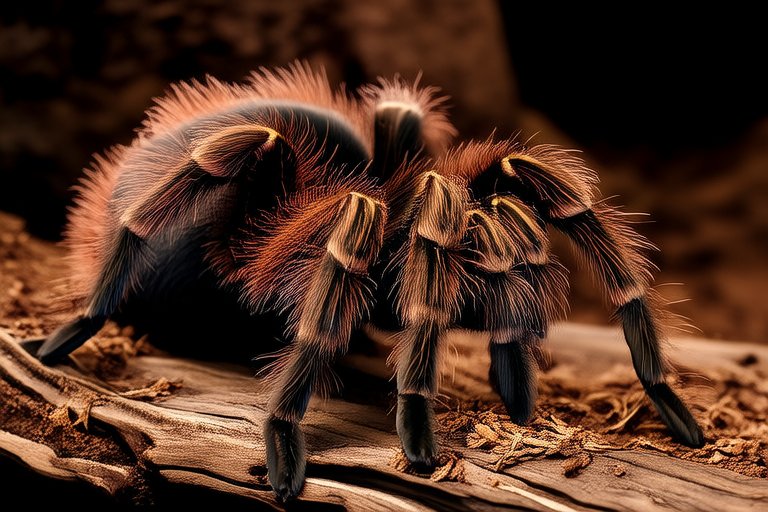
The Ultimate Guide to Choosing the Perfect Tarantula Species for You
Tarantulas have been gaining popularity as exotic pets among animal enthusiasts. These fascinating creatures come in a variety of sizes, colors, and temperaments, making them a unique choice for those looking for something different. However, before diving into the world of tarantulas, it’s important to understand what these arachnids require and how to choose the perfect species for you. This guide will walk you through the process of selecting the ideal tarantula, providing information on factors to consider, species recommendations, and essential care tips.
Understanding Tarantulas as Pets
Tarantulas belong to the family Theraphosidae and are found in various habitats around the world, from deserts to rainforests. As pets, they are known for their docile nature, minimal maintenance, and intriguing behaviors. Unlike many other pets, tarantulas don’t require daily attention or walks; instead, they thrive in environments that mimic their natural habitats. Their relatively long lifespans—some species can live up to 20 years—make them a worthwhile investment for dedicated pet owners.
Factors to Consider When Choosing a Species
Several factors should be taken into account when selecting a tarantula species:
- Size: Some tarantulas can grow quite large, with leg spans exceeding 8 inches. Beginners may prefer smaller species that are easier to handle.
- Temperament: While most tarantulas are generally docile, some species are more prone to biting or defensive behaviors. Researching the temperament of your chosen species will help you decide if it’s right for you.
- Care Requirements: Different species have varying dietary needs, humidity preferences, and temperature requirements. Understanding these needs is crucial for providing proper care.
- Availability: Some tarantula species are more commonly available than others, which can affect the ease of acquiring one.
Species Recommendations
Beginner-Friendly Species
For first-time tarantula owners, certain species are recommended due to their manageable size and easy care requirements:
Barking Spider (Ceratogyrus darlingi)
This medium-sized tarantula is named for its defensive behavior of rubbing its legs against its body to produce a hissing sound. It has a calm demeanor and is relatively hardy, making it an excellent choice for beginners.
Chaco Golden-Knee Tarantula (Grammostola porteri)
Known for its striking golden-orange markings on its knees, this tarantula is both visually appealing and easy to care for. It is slow-moving and generally docile, requiring minimal interaction.
Red-Rumped Tarantula (Avicularia avicularia)
Native to the Caribbean, this species is often recommended for beginners due to its gentle nature and ability to climb. It thrives in humid environments and is relatively low-maintenance.
Species for Experienced Owners
Once you’ve gained experience with tarantulas, you may be ready to explore more challenging species:
Bolivian Rose Tarantula (Grammostola rosea)
This large, dark-colored tarantula is known for its impressive size and regal appearance. It requires a spacious enclosure and higher humidity levels compared to beginner species.
Mexican Red-Knee Tarantula (Brachypelma smithi)
A popular choice among experienced owners, this tarantula is highly sought after for its vibrant red bands on its legs. It is relatively slow-moving but can be more defensive than other species.
Chilean Rose Tarantula (Grammostola rosea)
Similar to the Bolivian Rose, this species is larger and more active. It demands a more advanced setup and regular care, making it suitable for owners who are comfortable with tarantula husbandry.
Tips on Housing, Feeding, and Handling
Housing
Proper housing is essential for the health and well-being of your tarantula. A suitable enclosure should provide enough space for the tarantula to move freely and hide comfortably. The size of the enclosure depends on the size of the tarantula; as a general rule, the tank should be at least three times the length of the tarantula’s leg span.
Substrate, such as coconut fiber or peat moss, should be provided for burrowing and humidity regulation. Humidity levels vary depending on the species, but most tarantulas prefer moderate to high humidity environments. Temperature should also be maintained within a specific range, usually between 75°F and 85°F (24°C to 29°C).
Feeding
Tarantulas are carnivorous and feed primarily on insects like crickets, mealworms, and dubia roaches. The size of the prey should be appropriate for the tarantula; generally, prey items should not exceed half the width of the tarantula’s abdomen. Feeding frequency varies by species and age, but most adult tarantulas require food every 1-2 weeks.
It’s important to gut-load feeder insects with nutritious foods prior to offering them to your tarantula. Gut-loading involves feeding the insects a diet rich in vitamins and minerals, which then passes on to your tarantula. Additionally, dusting the feeder insects with calcium and vitamin supplements can help ensure your tarantula receives all necessary nutrients.
Handling
While tarantulas are generally safe to handle, it’s crucial to approach them with caution. Always wash your hands before handling to avoid transferring oils or chemicals that could harm the tarantula. Use a soft, wide-handled tool like a paintbrush or chopstick to gently coax the tarantula onto your hand.
Handle your tarantula infrequently, as excessive handling can stress the animal. If your tarantula molts, avoid handling it until the new exoskeleton has fully hardened, which can take several days to a week.
Common Myths About Tarantulas
There are many misconceptions surrounding tarantulas that can deter potential owners. Here are some common myths debunked:
- Myth: Tarantulas are venomous and dangerous to humans. While tarantulas do possess venom, it is typically no more harmful than a bee sting. Most species are reluctant to bite unless provoked.
- Myth: Tarantulas make good pets for children. Due to their delicate nature and the potential risks involved, tarantulas are not recommended for young children. They are better suited for responsible adults.
- Myth: Tarantulas require constant attention. Unlike dogs or cats, tarantulas are independent creatures that do not require frequent interaction. They are best suited for owners who enjoy observing rather than interacting with their pets.
Resources for Further Learning
As with any pet, continuous learning is key to providing the best care for your tarantula. Here are some resources to help you deepen your knowledge:
- Books: “Tarantulas and Other Arachnids” by R.D. Barker and “The Tarantula Keeper’s Guide” by Stanley Schultz and Marguerite Schultz.
- Online Forums: Websites like Tarantula.com and Arachnoboards offer communities where enthusiasts share experiences and advice.
- Videos: YouTube channels dedicated to exotic pets, such as Reptiles & Exotics, provide valuable insights and demonstrations.
Choosing the perfect tarantula species for you is an exciting step into the world of exotic pets. By considering factors like size, temperament, and care requirements, you can select a species that will bring joy and fascination to your home. With proper housing, feeding, and handling, your tarantula will thrive and become a cherished member of your household. Happy tarantula hunting!
