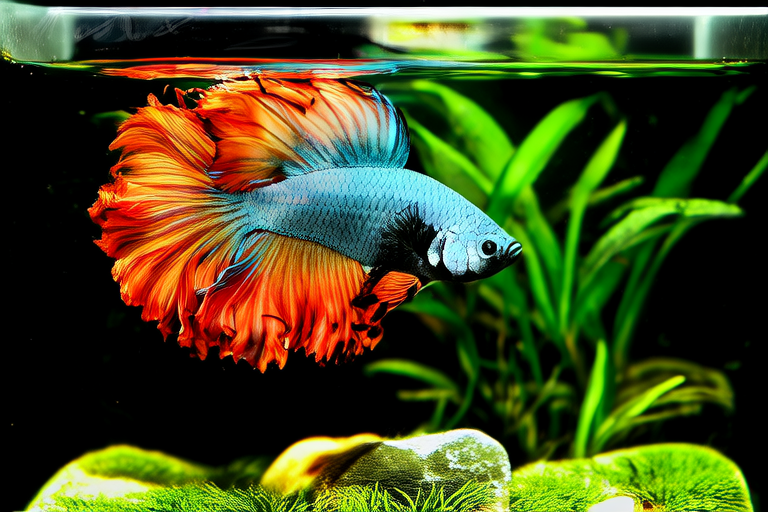
Top 10 Myths About Betta Fish Debunked Once and For All
Betta fish, also known as Siamese fighting fish, have been captivating aquarium enthusiasts for decades. Their vibrant colors and graceful fins make them one of the most popular choices for first-time pet owners. However, despite their widespread appeal, several misconceptions about these beautiful creatures persist. In this article, we will debunk ten common myths about betta fish, offering scientific insights to help you provide the best care for your aquatic friend.
Myth 1: Bettas Can Live in Small Bowls
One of the most prevalent myths about betta fish is that they can thrive in small bowls. This misconception stems from their ability to breathe air through a labyrinth organ, which allows them to survive in low-oxygen environments. While this adaptation is remarkable, it does not mean that bettas can live happily in cramped conditions.
Studies show that betta fish need at least two gallons of water per fish to thrive. A larger tank provides ample space for swimming and helps maintain better water quality. Overcrowding can lead to stress, poor health, and shortened lifespans. Therefore, always opt for a tank that meets or exceeds the recommended size.
Myth 2: Male Bettas Should Not Be Kept Together
The idea that male bettas must be kept alone due to aggressive behavior has some truth but is often overstated. Male bettas do exhibit territorial aggression towards other males, but this doesn’t mean they cannot coexist under certain conditions.
Research indicates that if provided with sufficient hiding spots and a large enough tank, male bettas can share a tank peacefully. Experts recommend a minimum of 20 gallons with plenty of plants and decorations to create separate territories. Female bettas, on the other hand, can generally be housed together without issues, provided there’s enough space.
Myth 3: Bettas Prefer Warm Water
Another common myth is that bettas require warm water temperatures. While it’s true that bettas originate from tropical regions, they are adaptable and can tolerate a range of temperatures.
Scientific evidence suggests that maintaining a stable temperature between 74°F and 80°F (23°C to 27°C) is ideal for bettas. Sudden changes in temperature can cause stress and illness, so it’s important to monitor and regulate water conditions carefully. Avoid extremes and aim for consistency.
Myth 4: Bettas Don’t Need a Filter
Many people believe that bettas don’t need filtration because they can manage small tanks well. However, this is far from the truth.
Filtration is crucial for removing waste and maintaining water quality. Without it, ammonia levels can rise, leading to toxic conditions. Even in smaller setups, a filter helps keep the environment clean and promotes healthier living conditions for your betta. Choose a gentle, efficient filter designed for small aquariums.
Myth 5: Bettas Only Eat Betta Pellets
Bettas have a reputation for being picky eaters, especially when it comes to food. Many owners believe that bettas should only consume specialized betta pellets. However, this isn’t entirely accurate.
In reality, bettas are omnivores and benefit from a varied diet. They enjoy high-protein foods like brine shrimp, bloodworms, and daphnia. Including these treats alongside pellets ensures a balanced diet rich in nutrients necessary for growth and health. Variety in their meals can also enhance their coloration and overall vitality.
Myth 6: Bettas Can Survive Without Plants
Some owners think that since bettas are often sold in barren bowls, they don’t need plants. Plants serve multiple purposes in an aquarium, including oxygen production, hiding spots, and aesthetic enhancement.
Research shows that incorporating live or artificial plants into your betta’s habitat significantly improves their wellbeing. Plants offer hiding places, reduce stress, and provide a more stimulating environment. Additionally, live plants contribute to natural filtration by absorbing nitrates. Ensure there are enough plants to give your betta a comfortable living space.
Myth 7: Bettas Are Low-Maintenance Pets
Despite their popularity, bettas are sometimes mistakenly considered low-maintenance pets. While they may appear hardy, proper care requires attention to detail.
Maintaining optimal water conditions, regular feeding, and monitoring for signs of disease are essential aspects of betta care. Neglecting these responsibilities can lead to health problems and shortened lifespans. By investing time in understanding and meeting their needs, you’ll ensure your betta lives a long, healthy life.
Myth 8: Bettas Can Survive Without a Heater
Another myth is that bettas can survive without a heater. While they can withstand slight fluctuations, maintaining a consistent temperature is vital for their health.
Heaters help stabilize water temperatures, preventing drastic changes that could stress your betta. A reliable heater keeps the water within the recommended range, promoting better immune function and overall health. Always use a heater designed for aquariums and follow manufacturer guidelines for safe operation.
Myth 9: Bettas Don’t Need Bubbles
Some believe that bettas don’t need bubble systems because they can breathe air through their labyrinth organs. While this organ allows them to take in atmospheric oxygen, bubbles play an important role in their environment.
Air stones or bubble systems promote water circulation and oxygenation. Properly aerated water enhances the overall quality of life for your betta. It reduces the risk of stagnant water and helps prevent diseases associated with poor oxygenation. Incorporating a bubble system ensures your betta enjoys a healthier living space.
Myth 10: Bettas Don’t Interact with Humans
Contrary to popular belief, bettas are capable of recognizing and responding to their owners. Studies have shown that bettas can develop preferences for specific individuals and even respond positively to routine interactions.
To encourage interaction, spend time near your betta’s tank daily. Gently tap the glass or speak softly to familiarize them with your presence. Over time, many bettas will become curious and may even swim closer to investigate. These small gestures can strengthen the bond between you and your pet.
Tips for Proper Betta Fish Care Based on Debunked Myths
Now that we’ve debunked these common myths, here are some practical tips for caring for your betta fish:
- Provide a spacious tank with adequate filtration and regular water changes.
- Ensure a stable water temperature using a heater.
- Incorporate live or artificial plants for hiding spots and environmental enrichment.
- Offer a varied diet including high-protein treats alongside pellets.
- Monitor water quality closely and address any issues promptly.
- Engage with your betta regularly to foster a stronger bond.
By addressing these key areas, you’ll provide your betta with the best possible care, ensuring they live long, healthy, and happy lives. Remember, while bettas are resilient, they still require thoughtful consideration and attention to thrive.
