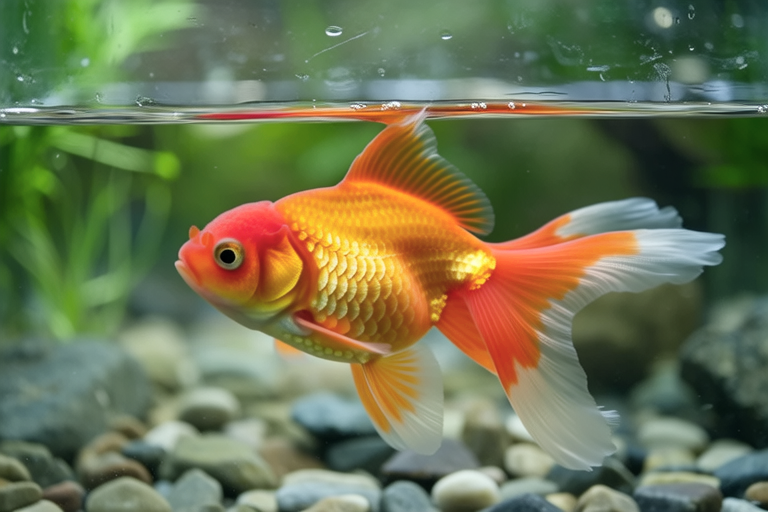
Goldfish Behavior: Decode Their Mysterious Actions
Goldfish are one of the most popular pets worldwide, celebrated for their vibrant colors and graceful swimming patterns. However, their behavior can sometimes be perplexing, leading to misunderstandings among their owners. This article aims to shed light on the fascinating world of goldfish behavior, offering insights that will help you better understand and care for your aquatic companions.
Understanding Basic Needs
Before diving into specific behaviors, it’s crucial to understand the fundamental needs of goldfish. Goldfish are coldwater fish, thriving in temperatures between 68°F and 74°F. They require well-oxygenated water, ideally with a filtration system to maintain water quality. Regular water changes are essential, as goldfish produce a significant amount of waste. A spacious tank or pond allows them to swim freely, reducing stress and promoting natural behaviors.
Exploring Common Behaviors
Eating Habits
Goldfish have hearty appetites and will often eat more than they need if given the chance. It’s important to feed them small amounts, twice daily. Overfeeding can lead to health issues, including swim bladder disorders and poor water quality. Experienced aquarists recommend sinking pellets or flakes, which encourage natural foraging behaviors. Goldfish also enjoy live foods like brine shrimp or daphnia, which can provide additional enrichment.
Sleeping Patterns
Unlike humans, goldfish do not sleep in the same way. They enter a state of rest, where their activity level decreases but they remain alert. Goldfish do not close their eyes; instead, they rest near the bottom of the tank or pond. Observing this resting behavior can help you gauge the overall health of your fish. Ensure that lighting conditions mimic natural day-night cycles to support healthy sleep patterns.
Social Interactions
Goldfish are generally social creatures, enjoying the company of their own kind. In a community tank, they may form pairs or groups, engaging in playful activities such as chasing each other. However, overcrowding can lead to stress and aggressive behaviors. It’s important to provide ample space and hiding spots for each fish. Some aquarists report that goldfish can recognize their owners and respond positively to regular feeding times.
Deciphering Signs of Health and Happiness
A healthy goldfish displays vibrant colors and active swimming. Their fins should be intact, without tears or discoloration. Regularly inspecting your fish for these signs can help you catch potential health issues early. Happy goldfish will explore their environment, showing curiosity and interest in food. They may also engage in bubble nest building, especially during breeding seasons, which is a sign of reproductive readiness.
Identifying Stress Signals
Stress can manifest in various ways in goldfish. Rapid breathing or gasping at the surface might indicate poor water quality or oxygen deprivation. Lethargy, loss of appetite, and unusual swimming patterns could signal underlying health issues. Tailoring the environment to meet the specific needs of your goldfish can significantly reduce stress. This includes ensuring proper temperature, adequate filtration, and minimizing sudden changes in their surroundings.
Tips for Owners to Better Connect with Their Goldfish
To foster a stronger connection with your goldfish, consider enriching their environment with plants, rocks, and decorations that mimic their natural habitat. Interactive toys, such as floating objects or bubbles, can stimulate their senses and encourage exploration. Additionally, maintaining a consistent routine, including regular feeding times, can help build trust and predictability in your interactions.
Maintaining a Healthy Environment
The final step in decoding goldfish behavior is creating and maintaining a healthy environment. This involves regular maintenance tasks like water changes, cleaning filters, and monitoring water parameters. Patience and careful observation are key to understanding your goldfish’s behavior. By paying attention to subtle changes in their actions, you can anticipate and address any issues before they become serious.
In conclusion, decoding goldfish behavior requires a combination of scientific knowledge and personal experience. By understanding their basic needs, observing their common behaviors, and learning to identify signs of health and stress, you can provide your goldfish with a nurturing environment. Remember, patience and observation are your best tools in forming a strong bond with these fascinating creatures. With dedication and care, you can ensure a long and happy life for your goldfish.
