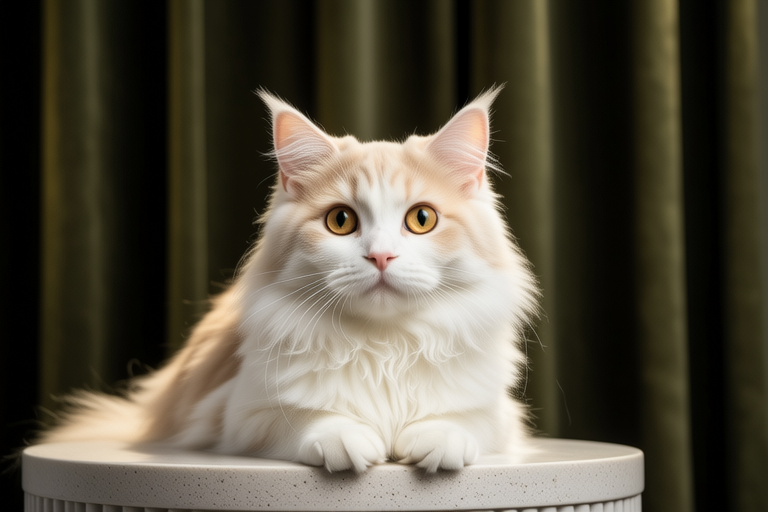
Distinctive Characteristics and Behaviors of Scottish Fold Cats
Scottish Fold cats are one of the most beloved breeds in the world, known for their distinctive folded ears. However, there’s much more to these charming felines than meets the eye. From their gentle temperament to their unique health considerations, this article explores the lesser-known aspects of Scottish Fold cats, providing insights into why they are cherished by cat enthusiasts.
Historical Background
The history of the Scottish Fold breed dates back to 1961 when a barn cat named Susie was discovered near Coupar Angus in Scotland. Susie had a natural genetic mutation that caused her ears to fold forward and downward. Her offspring inherited this trait, leading to the development of the Scottish Fold breed. In 1971, American breeder William Ross imported a few of these cats to the United States, and the breed quickly gained popularity. The breed was recognized by The International Cat Association (TICA) in 1978 and by the Cat Fanciers’ Association (CFA) in 1991.
Temperament
Scottish Fold cats are known for their sweet, gentle nature and are often described as being very people-oriented. They are typically calm and relaxed, making them excellent companions for families and individuals alike. These cats are social and enjoy spending time with their owners, often following them around the house and seeking out affection. Despite their laid-back demeanor, Scottish Folds can also be playful and curious, especially during their younger years. They tend to get along well with other pets, including dogs, and are generally accepting of new people, which makes them suitable for households with frequent visitors.
Health Considerations
While Scottish Folds are generally healthy, there are some health concerns associated with the breed. The most significant issue is osteochondrodysplasia, a genetic disorder that affects cartilage development. This condition can lead to joint problems, particularly in the tail, legs, and spine. Some cats may experience arthritis-like symptoms, causing discomfort and mobility issues. Responsible breeding practices can help minimize the risk of these health problems, but it’s essential for potential owners to research breeders carefully and ensure they prioritize the health of their cats.
Grooming Needs
Scottish Folds have short, dense coats that require minimal grooming. They are generally self-maintaining, but regular brushing can help remove loose hair and prevent matting. During shedding seasons, more frequent brushing may be necessary to keep their coat looking its best. Bathing is usually not required unless the cat gets excessively dirty. Owners should pay attention to their ears, as the folds can trap dirt and moisture, leading to infections if not cleaned properly. Regular ear cleaning with a veterinarian-approved solution can help prevent these issues.
The Unique Bond with Owners
One of the most endearing qualities of Scottish Fold cats is their strong bond with their owners. These cats are known for their loyalty and affectionate nature, often forming deep connections with their human companions. Many owners report that their Scottish Folds are more like dogs in terms of their attachment and willingness to participate in family activities. They may follow their owners from room to room, sit beside them while they work, or curl up next to them on the couch. This close bond makes Scottish Folds excellent therapy cats, providing emotional support and comfort to those in need.
Lesser-Known Facts and Myths
There are several myths and lesser-known facts about Scottish Fold cats that are worth exploring. One common myth is that all Scottish Folds have folded ears. While the folded ear gene is dominant, not all kittens born to Scottish Fold parents will inherit this trait. Some may have straight ears, and these cats are often referred to as “straights” or “single folds.” Another myth is that all Scottish Folds will develop joint problems. While osteochondrodysplasia is a concern, not all cats will be affected, and responsible breeding can help reduce the incidence of this condition.
Why Are Scottish Folds Cherished?
Scottish Fold cats are cherished by cat enthusiasts for many reasons. Their unique appearance, combined with their gentle and affectionate nature, makes them a popular choice for families and individuals looking for a loving companion. Their adaptability to different living environments also contributes to their appeal. Whether you live in a small apartment or a large home, Scottish Folds can thrive in a variety of settings. Their low-maintenance grooming needs and relatively quiet demeanor make them ideal for households with busy schedules.
How Their Personalities Complement Various Living Environments
Scottish Folds are well-suited for a wide range of living environments. Their calm and relaxed nature makes them an excellent fit for families with children or other pets. They are generally patient and tolerant, which can be beneficial in households with young children who may not always handle pets gently. Their adaptability allows them to adjust to changes in their environment, such as moving to a new home or welcoming a new family member. Additionally, their social nature means they can thrive in environments where they receive plenty of attention and interaction.
Conclusion
Scottish Fold cats are much more than just their folded ears. With their gentle temperament, strong bond with their owners, and unique health considerations, these cats offer a wealth of charm and companionship. By understanding the historical background, temperament, health concerns, and grooming needs of Scottish Folds, potential and current owners can provide the best care for these special felines. Whether you’re a seasoned cat lover or considering adding a Scottish Fold to your family, these cats are sure to bring joy and companionship for years to come.
