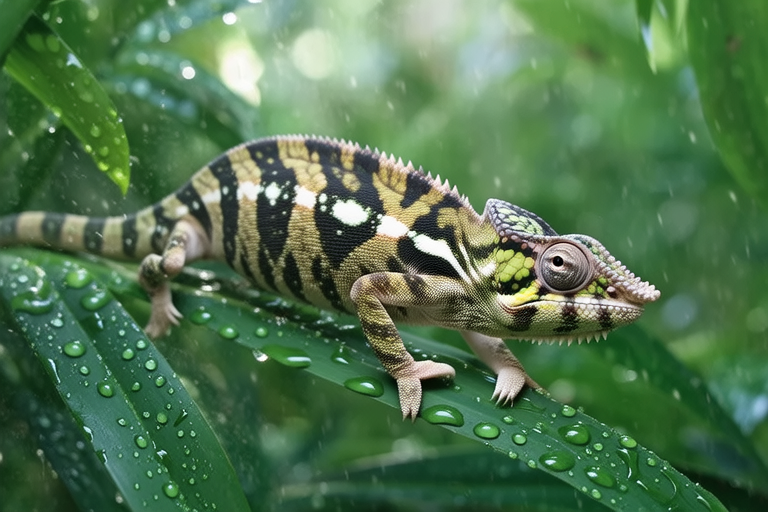
From Tree Tops to Terrariums: A Beginner’s Guide to Chameleon Ownership
Welcome to the fascinating world of chameleon ownership! These unique creatures have captivated pet enthusiasts with their vibrant colors and distinctive behaviors. However, owning a chameleon requires careful attention to their specific needs. This guide will help you understand the essentials of chameleon care, from selecting the right species to maintaining their health.
Selecting the Right Species
The first step in becoming a responsible chameleon owner is choosing the right species. While there are many types of chameleons, some are more suitable for beginners than others. The Panther chameleon (Furcifer pardalis) and Jackson’s chameleon (Trioceros jacksonii) are popular choices due to their relatively hardy nature and manageable size.
Before making a decision, research the specific requirements of each species. Consider factors such as lifespan, temperament, and space requirements. For instance, the veiled chameleon (Chamaeleo calyptratus) is known for its aggressive tendencies, making it less ideal for beginners.
Setting Up an Appropriate Habitat
Chameleons are arboreal animals, meaning they spend most of their time in trees. Their environment should reflect this natural habitat. Start by choosing a spacious terrarium that allows ample vertical space. A single adult chameleon requires at least a 36x18x48-inch terrarium. Larger enclosures provide more room for climbing and reduce stress.
Proper lighting is crucial for your chameleon’s health. Use full-spectrum UVB bulbs to simulate sunlight. These lights should be placed within 6 to 12 inches of the basking spot. Replace the bulbs every six months or according to the manufacturer’s recommendations. Additionally, install heat lamps to maintain a temperature gradient within the enclosure. The warm side should reach 90-95°F, while the cool side can be around 70-75°F.
Substrate choice is another important consideration. Avoid using loose substrates like sand or gravel, as these can lead to impaction if ingested. Instead, opt for paper towels, reptile carpet, or eco-friendly substrates designed for chameleons. Ensure the substrate is kept clean and free from mold or bacteria.
Finally, provide plenty of branches, vines, and plants for your chameleon to climb and hide. Live plants not only enhance the aesthetic appeal but also contribute to humidity levels and offer hiding spots. Common plant choices include pothos, ficus, and hibiscus.
Understanding Dietary Needs
Chameleons are insectivores, meaning their diet primarily consists of insects. Offer a variety of prey items such as crickets, dubia roaches, and silkworms. Feed young chameleons daily, reducing the frequency to every other day as they mature. Dust insects with calcium and multivitamin supplements to ensure they receive adequate nutrients.
Hydration is equally important. Provide a water drip system or mist the enclosure twice daily to encourage drinking. Some chameleons may also drink from shallow dishes, but these should be cleaned regularly to prevent bacterial growth.
Maintaining Proper Health and Hygiene
Regular health checks are essential for monitoring your chameleon’s well-being. Look for signs of illness such as lethargy, loss of appetite, or changes in coloration. Schedule routine visits with a veterinarian experienced in exotic pets. They can perform thorough examinations and recommend appropriate vaccinations.
Hygiene plays a vital role in preventing diseases. Clean the terrarium weekly, removing waste and uneaten food. Disinfect surfaces using a reptile-safe cleaner. Replace any damaged or soiled plants and substrates promptly. Regular cleaning helps maintain a healthy living environment for your chameleon.
Common Health Issues
Despite proper care, chameleons may still encounter health problems. Metabolic bone disease (MBD) is one of the most common issues, resulting from calcium deficiencies. Symptoms include softening of the bones, lethargy, and difficulty moving. Ensuring adequate supplementation and proper lighting can help prevent MBD.
Respiratory infections can occur if the enclosure is too humid or poorly ventilated. Signs include wheezing, nasal discharge, and labored breathing. Maintain optimal humidity levels between 50-70% and ensure good airflow through the use of ventilation screens.
Injuries sustained during falls or territorial disputes can also affect your chameleon’s health. Always supervise handling sessions and avoid overcrowding multiple chameleons in the same enclosure. If you notice any injuries, consult a veterinarian immediately.
Tips for Handling
Chameleons are delicate creatures and should be handled with care. Before attempting to hold your chameleon, familiarize yourself with their body language. Signs of distress include rapid color changes, hissing, and attempting to bite. Approach them slowly and gently, allowing them to become accustomed to your presence.
When handling, support their body fully and avoid excessive handling. Limit interactions to short periods, as chameleons prefer solitude. Always wash your hands before and after handling to prevent the spread of bacteria.
Conclusion
Owning a chameleon is a rewarding experience that comes with unique challenges. By providing an appropriate habitat, understanding dietary needs, and maintaining proper health and hygiene, you can ensure your chameleon thrives. Remember, chameleons require more specialized care compared to other pets, but their vibrant personalities and captivating behaviors make them well worth the effort.
