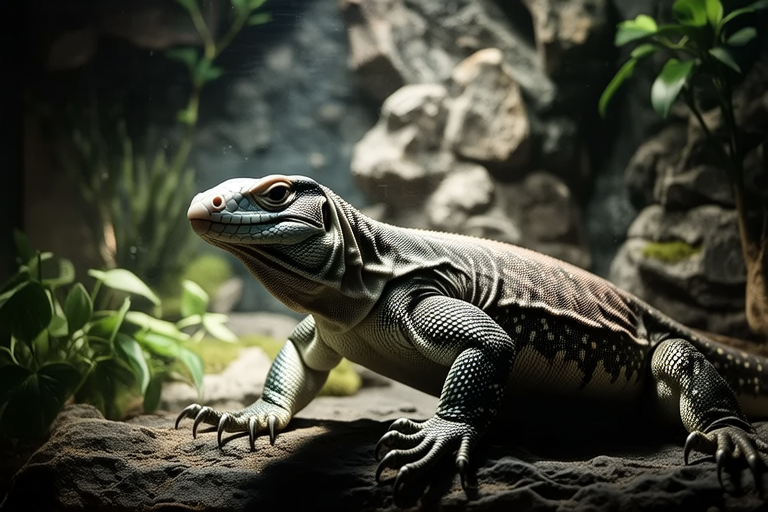
From Jungle to Home: How to Care for Your Water Monitor
The water monitor (Varanus salvator) is one of the largest lizards in the world, native to the tropical regions of Asia. Known for their agility, intelligence, and unique behaviors, these reptiles have become popular pets among enthusiasts. However, caring for a water monitor requires a significant commitment and specialized knowledge. This guide will provide you with comprehensive information on how to care for your water monitor, covering their natural habitat, dietary needs, housing requirements, health care tips, and behavioral insights.
Natural Habitat
Water monitors are native to the lush, tropical environments of Southeast Asia, including countries like India, Bangladesh, Myanmar, Thailand, Malaysia, Indonesia, and the Philippines. They thrive in areas with dense vegetation, rivers, lakes, and mangroves, where they can find abundant food sources and suitable hiding spots. These lizards are semi-aquatic, spending time both on land and in water, which influences their behavior and environmental preferences.
Dietary Needs
Water monitors are carnivorous and require a varied diet to ensure optimal health. Their diet primarily consists of insects, small mammals, birds, fish, and other reptiles. In captivity, they can be fed a mix of rodents, feeder fish, crickets, and other commercially available reptile foods. It’s essential to offer a balanced diet that includes calcium and vitamin supplements to prevent deficiencies. Younger monitors should be fed more frequently, while adults can be fed less often.
Housing Requirements
Creating an appropriate enclosure is crucial for the well-being of your water monitor. The enclosure should be large enough to allow the lizard ample space to move around and swim. A minimum size for a single adult water monitor is 8 feet by 4 feet by 4 feet, but larger enclosures are recommended for multiple monitors or larger individuals. The enclosure should include a water area that is deep enough for swimming, as well as climbing structures and hiding spots.
Temperature control is vital, as water monitors require specific temperatures to thrive. Maintain a basking spot of around 95-100°F and ambient temperatures between 75-85°F during the day, with a slight drop at night. Proper humidity levels should also be maintained, ideally between 60-80%, to mimic their natural environment. Use a combination of heating elements, such as heat lamps and under-tank heaters, and ensure adequate ventilation to avoid stagnant air.
Health Care Tips
Regular veterinary check-ups are essential for maintaining your water monitor’s health. Look for signs of illness, such as lethargy, loss of appetite, abnormal shedding, or respiratory issues. Proper husbandry practices, including appropriate temperature and humidity levels, clean water, and a balanced diet, can help prevent many common health problems. Quarantine new additions to your collection for several months to minimize the risk of introducing diseases to your existing pets.
Vaccinations are not necessary for water monitors, but regular deworming and parasite control are important. Consult your veterinarian about appropriate products and dosages. Additionally, monitor your lizard’s weight regularly, as obesity can lead to various health issues. Providing enrichment, such as toys and puzzles, can also contribute to your monitor’s physical and mental well-being.
Behavioral Insights
Water monitors are known for their intelligence and curiosity. They can learn to recognize their owners and may even exhibit playful behaviors. However, they are powerful animals with strong jaws and sharp claws, so handling should be done carefully and only by experienced handlers. Always supervise interactions with children and other pets to ensure everyone’s safety.
Establishing a routine can help your monitor feel secure and comfortable. Regular feeding times and consistent care routines can reduce stress and promote healthy behavior. Water monitors are territorial, so it’s important to provide adequate space and resources for each individual in a multi-lizard setup. Avoid overcrowding, as this can lead to stress and aggression.
Responsibilities and Considerations for Potential Owners
Owning a water monitor comes with significant responsibilities. These lizards can live up to 20 years or more, requiring long-term commitment from their owners. They need spacious enclosures, specialized diets, and careful handling. Before deciding to bring a water monitor into your home, consider whether you have the space, time, and resources to provide the best possible care.
Research local laws and regulations regarding exotic pets, as some areas may have restrictions on owning water monitors. Ensure that you have access to a qualified veterinarian who can provide specialized care for reptiles. Joining local or online communities can also provide valuable support and advice for new and experienced owners alike.
Conclusion
Caring for a water monitor is a rewarding but challenging endeavor. By understanding their natural habitat, dietary needs, housing requirements, health care tips, and behavioral insights, you can provide a safe and enriching environment for your pet. With proper care and attention, your water monitor can thrive in your home, offering years of companionship and fascination. Remember that owning a water monitor is a long-term commitment, and it’s essential to be prepared for the responsibilities involved.
