Creepy Yet Cool: Discovering the Secrets of the Chilean Rose Tarantula
The Chilean rose tarantula, also known as Grammostola rosea, is a species that captivates many with its unique appearance and gentle demeanor. Despite its somewhat intimidating looks, this tarantula is one of the most popular pets among arachnophiles and newcomers alike. This article delves into the world of the Chilean rose tarantula, exploring its physical attributes, natural habitat, dietary habits, and behavior in both the wild and domestic environments. We will also address common misconceptions about tarantulas and provide guidance for responsible pet ownership. By the end of this exploration, you’ll have a deeper appreciation for these fascinating creatures and understand why they are worth protecting.
A Unique Appearance and Gentle Nature
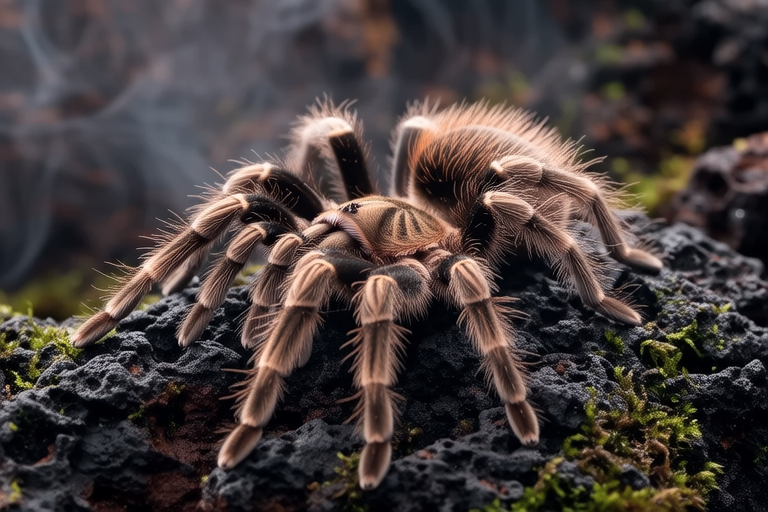
The Chilean rose tarantula is named for the pinkish-red hairs that cover its body, giving it a rosy hue. These hairs, known as urticating hairs, can be ejected as a defense mechanism if the tarantula feels threatened. Despite their menacing appearance, these spiders are generally docile and slow-moving, making them ideal for handling. Their bodies are robust, with eight legs and two large fangs. Females can grow up to 4.5 inches in length, while males are slightly smaller, reaching about 3.5 inches. Their dark brown or black coloring contrasts beautifully with the pinkish-red hairs, creating a striking appearance.
Habitat and Behavior
Native to the deserts and scrublands of South America, specifically Argentina, Chile, and Brazil, the Chilean rose tarantula thrives in warm, dry climates. In the wild, these spiders are solitary creatures, preferring to live in burrows they dig themselves. They are nocturnal, active primarily at night when temperatures are cooler. In their natural habitat, they hunt small insects and other arthropods, using their powerful legs to pounce on prey. Their burrows serve as both homes and hunting grounds, providing shelter during the day and ambush points for unsuspecting insects at night.
Diet and Feeding Habits
In captivity, the Chilean rose tarantula requires a varied diet to remain healthy. While in the wild they feast on insects like crickets and grasshoppers, pet owners can offer alternatives such as mealworms, dubia roaches, and phoenix worms. It’s important to ensure that the food items are appropriately sized for the spider; feeding too large prey can lead to digestive issues. The frequency of feeding depends on the age and size of the tarantula, but generally, they should be fed once every week to ten days. Providing fresh water in a shallow dish is also essential for hydration.
Myths and Misconceptions
Tarantulas have long been surrounded by myths and misconceptions, often portrayed as dangerous predators in popular culture. One common myth is that all tarantulas are highly venomous and deadly to humans. In reality, the bite of the Chilean rose tarantula is comparable to a bee sting, causing mild pain that subsides within a few hours. Another misconception is that tarantulas spin webs to catch prey. While some tarantulas do create silken retreats, the Chilean rose tarantula does not use webs for hunting; instead, it relies on its speed and strength to capture prey. Debunking these myths helps to foster a more accurate understanding of these remarkable creatures.
Care Requirements for Pet Owners
For those considering a Chilean rose tarantula as a pet, there are several factors to consider. First and foremost, a suitable enclosure is necessary. A terrarium with a secure lid is ideal, ensuring the spider cannot escape. The substrate should be at least three inches deep, allowing the tarantula to burrow comfortably. Heating and lighting are crucial, with temperatures maintained between 75 and 85 degrees Fahrenheit and a humidity level of around 60%. Regular cleaning of the enclosure is important to prevent mold growth and maintain optimal living conditions.
Handling your tarantula requires patience and gentleness. Always wash your hands before and after interaction to avoid transferring oils or chemicals that could harm the spider. It’s advisable to handle your tarantula only when necessary, as excessive handling can cause stress. If you must handle your pet, support its entire body gently with both hands, avoiding the abdomen where the spinnerets are located. Proper care and respect for your pet’s space will help build a trusting relationship.
The Importance of Conservation
Despite their popularity as pets, it’s vital to recognize the importance of conserving the Chilean rose tarantula and its natural habitats. Habitat destruction and climate change pose significant threats to these creatures in the wild. Responsible pet ownership includes sourcing tarantulas from reputable breeders rather than wild-caught individuals. Supporting conservation efforts and spreading awareness about the importance of preserving natural ecosystems can contribute to the survival of these fascinating creatures. By appreciating and respecting the Chilean rose tarantula in both its wild and domestic settings, we can ensure its continued presence in our world.
In conclusion, the Chilean rose tarantula is a creature of beauty and mystery, captivating hearts with its unique appearance and gentle nature. Whether you’re an experienced arachnophile or a newcomer to tarantula appreciation, these spiders offer a fascinating glimpse into the world of arachnids. By understanding their needs, dispelling myths, and advocating for their conservation, we can ensure that future generations will continue to marvel at the wonders of the Chilean rose tarantula.
