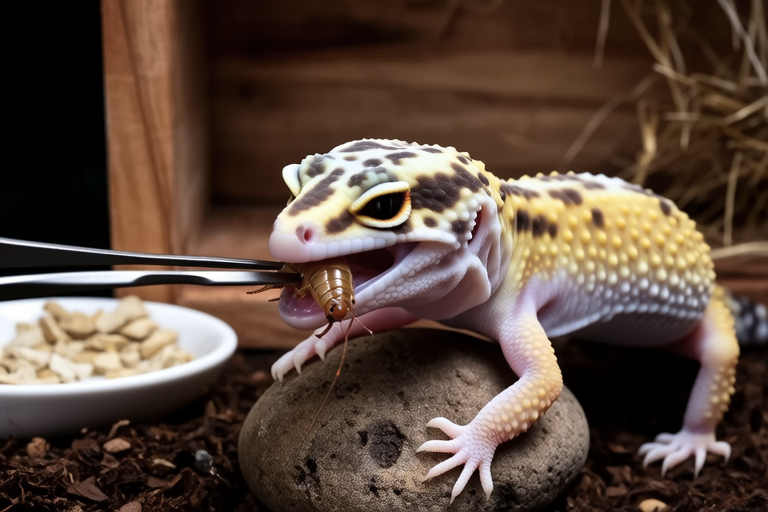
Feeding Your Leopard Gecko Like a Pro
Welcome to your comprehensive guide on how to feed your leopard gecko like a pro. Whether you’re a new owner or an experienced keeper, this guide will provide you with all the necessary information to ensure your pet’s optimal nutrition and health. We’ll cover everything from selecting appropriate insects to addressing common feeding challenges.
Selecting Appropriate Insects
The first step in feeding your leopard gecko properly is choosing the right insects. Crickets are the most commonly used feeder insects, but other options include dubia roaches, mealworms, and waxworms. It’s important to choose insects that are appropriately sized for your gecko. As a general rule, the length of the insect should not exceed the width between the gecko’s eyes. This prevents choking hazards and ensures easy digestion.
Always purchase live insects from reputable sources. This ensures they are healthy and free from parasites. Additionally, avoid wild-caught insects as they may carry harmful bacteria or pesticides. If you have the space and resources, consider breeding your own feeder insects. This can be cost-effective and allows you to control the quality of the food.
Proper Supplementation
Supplementing your leopard gecko’s diet is crucial for maintaining its health. Calcium and vitamin D3 are particularly important, as they help prevent metabolic bone disease (MBD). You can purchase supplements specifically designed for reptiles at pet stores or online. These supplements typically come in powder form and should be lightly dusted over the insects before feeding.
For calcium supplementation, use a product without added phosphorus, as phosphorus can interfere with calcium absorption. Vitamin D3 is essential for calcium metabolism, but it’s important not to over-supplement. Overuse can lead to hypercalcemia, which can also cause health issues. Always follow the manufacturer’s instructions when applying supplements.
In addition to calcium and vitamin D3, you can also offer multivitamin supplements. However, these should be used sparingly, as excess vitamins can be harmful. A good rule of thumb is to use calcium supplements every other feeding and multivitamins once a week.
Feeding Frequency
Determining the correct feeding frequency depends on the age and size of your leopard gecko. Young geckos, up to about six months old, require more frequent meals. Offer them small crickets or other appropriately sized insects daily. As they grow, their appetite will increase, and you can gradually reduce the frequency to every other day.
Adult leopard geckos generally need to be fed every two days. However, some geckos may eat less frequently as they mature, so monitor their weight and body condition to adjust the feeding schedule accordingly. It’s important not to overfeed, as obesity can lead to health problems. On the other hand, underfeeding can result in malnutrition. Striking the right balance is key.
If you notice your gecko becoming lethargic or losing weight, it might be time to increase the frequency of feedings. Conversely, if your gecko appears overweight or shows signs of difficulty moving, you may need to reduce the amount or frequency of food offered.
Handling Live Food
Before feeding, it’s essential to handle the live food correctly. Gut loading is a process where feeder insects are fed nutritious foods before being offered to your gecko. This enhances the nutritional value of the insects. For example, you can feed crickets with commercial gut load products or fresh vegetables such as carrots and collard greens.
Another important practice is to avoid feeding your gecko empty-bellied insects. These insects may consume substrate or other harmful materials while waiting to be eaten. To prevent this, place the insects in a separate container with appropriate substrate and food for at least 24 hours before feeding. This gives them time to digest the nutritious food and eliminates the risk of ingesting harmful substances.
Additionally, it’s recommended to use a feeding dish when offering live insects. This helps contain the insects and prevents them from escaping into the enclosure, where they could potentially harm your gecko. Feeding dishes also make it easier to remove uneaten insects after feeding time.
Addressing Common Feeding Challenges
Despite your best efforts, you may encounter some feeding challenges. One common issue is a picky eater. If your gecko suddenly stops eating, there could be several reasons. Stress, environmental factors, or illness could all contribute to a loss of appetite. First, check the temperature and humidity levels in the enclosure. Ensure they are within the recommended range for your gecko. If everything seems normal, observe your gecko for signs of illness, such as lethargy, bloating, or discolored skin.
Another challenge is ensuring your gecko consumes all the offered food. Some geckos may only eat part of their meal or leave behind uneaten insects. To encourage consumption, try varying the type of insects offered. Some geckos prefer certain species over others. Additionally, you can try feeding during different times of the day or offering smaller portions more frequently.
Lastly, some owners struggle with feeding nocturnal geckos. Since leopard geckos are primarily nocturnal, they may not be active during the day when feeding is typically done. To address this, try feeding at dusk or early evening when your gecko is most likely to be awake and hungry. You can also use a heat lamp or other light source to simulate dawn, encouraging your gecko to become more active.
Tips for Optimal Nutrition and Health
To ensure your leopard gecko receives optimal nutrition and stays healthy, here are some additional tips:
- Provide a variety of feeder insects to ensure a balanced diet. Different insects offer various nutrients, contributing to overall health.
- Monitor your gecko’s weight regularly. Use a digital scale to weigh your gecko weekly and track any changes. Sudden weight loss or gain can indicate underlying health issues.
- Offer water regularly. Although leopard geckos obtain much of their hydration from their food, it’s still important to provide clean water in a shallow dish. Change the water daily to prevent bacterial growth.
- Consider offering occasional treats. While the bulk of your gecko’s diet should consist of insects, you can occasionally offer small amounts of fruits or vegetables. However, these should not replace the main diet and should be given sparingly.
- Keep the enclosure clean. Regular cleaning helps maintain hygiene and prevents the buildup of harmful bacteria. Remove uneaten food promptly and spot-clean the enclosure daily.
By following these guidelines and tips, you can ensure your leopard gecko enjoys a nutritious and varied diet, leading to a long and healthy life. Remember, each gecko is unique, so pay attention to your pet’s individual needs and adjust the feeding routine accordingly.
