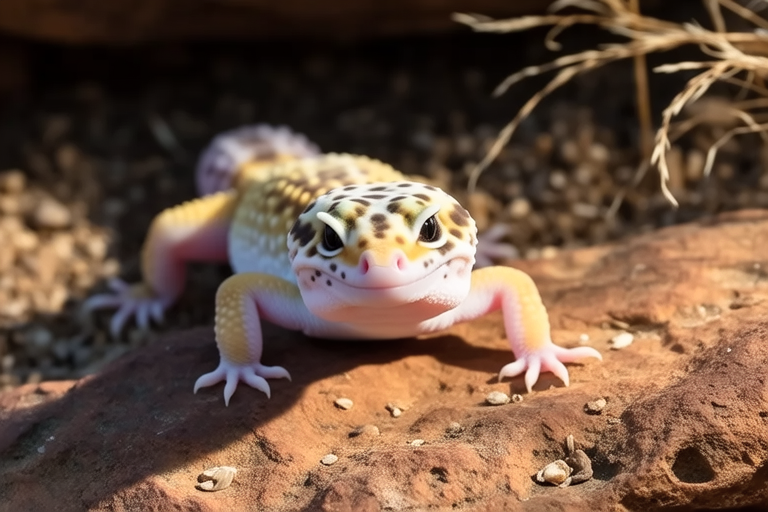
Leopard Gecko Care Hacks Every New Owner Must Know
Welcoming a leopard gecko into your home is an exciting adventure. These gentle, low-maintenance lizards are perfect for first-time reptile owners, but even the most docile pets need proper care to thrive. With the right knowledge, you can create a safe, enriching environment that supports your gecko’s health and happiness. This comprehensive guide covers essential care tips—backed by expert advice—to help new owners avoid common pitfalls and set their geckos up for long, healthy lives.
The Ideal Habitat: Setting Up the Perfect Enclosure
Creating a suitable habitat is the foundation of leopard gecko care. Your gecko needs more than just a tank—it needs a carefully designed space that mimics its natural desert environment.
Enclosure Size Matters
While leopard geckos are small (typically 8–10 inches), they still need room to explore. A minimum enclosure size of 10 gallons is recommended for a single adult. For multiple geckos, increase the space by at least 10 gallons per additional lizard. Larger enclosures allow for better temperature gradients and reduce stress from overcrowding.
Substrate Safety First
Choosing the right substrate (the material covering the floor) is critical. Avoid loose substrates like sand or gravel—they pose a serious risk of impaction if ingested. Instead, opt for safer alternatives:
- Reptile carpet: Easy to clean, non-toxic, and safe for young geckos.
- Paper towels: Ideal for hatchlings or sick geckos; disposable and hygienic.
- Tile or slate: Non-porous, easy to sanitize, and provides a cool surface.
Never use wood chips, coconut fiber, or loose sand—these are dangerous and not recommended for any leopard gecko.
Hiding Spots Are Non-Negotiable
Leopard geckos are nocturnal and naturally shy. They need secure hiding spots to feel safe and reduce stress. Provide at least two hides per gecko—one on the warm side and one on the cool side of the enclosure. Use commercial hides made of reptile-safe materials or repurpose sturdy, smooth-bottomed plastic containers with cut-out entrances.
Temperature Gradients Keep Geckos Healthy
Leopard geckos rely on external heat sources to regulate their body temperature. Create a thermal gradient with two distinct zones:
- Warm side: Maintain between 88°F and 92°F (31°C–33°C).
- Cool side: Keep around 75°F to 80°F (24°C–27°C).
Use under-tank heating pads or ceramic heat emitters (not light-emitting bulbs) to provide warmth. Never place heat sources directly under the hide—this can burn your gecko. Always monitor temperatures with a digital thermometer placed inside the enclosure.
Humidity Control: Less Is More
Leopard geckos come from arid regions, so high humidity isn’t ideal. Aim for a humidity level of 40% to 60%. Too much moisture leads to respiratory issues and skin infections.
To manage humidity:
- Use a hygrometer to monitor levels.
- Keep the water dish clean and replace water daily.
- If needed, place a humid hide (a small container with damp paper towels) in the enclosure—but only for shedding periods.
Remove excess moisture promptly to prevent mold growth.
Fueling Your Gecko: Feeding Right from Day One
A balanced diet is key to your gecko’s vitality. In the wild, leopard geckos eat insects, and this remains their primary food source in captivity.
Diet Variety Prevents Deficiencies
Feed your gecko a rotating variety of gut-loaded insects. The most common options include:
- Mealworms
- Superworms (use sparingly due to higher fat content)
- Crickets
- Roaches (especially Dubia roaches—highly nutritious and less likely to bite)
Rotate these weekly to ensure a broad nutrient profile. Avoid feeding waxworms too often—they’re high in fat and should be reserved as rare treats.
Gut-Loading Boosts Nutrition
Before offering insects to your gecko, gut-load them. This means feeding the insects a nutritious diet for 24–48 hours before feeding them to your gecko. Use a mix of fresh vegetables (like carrots, sweet potatoes), fruits (apples, bananas), and commercial gut-load diets.
Gut-loading ensures your gecko receives vital vitamins and minerals, which are otherwise missing in plain crickets or mealworms.
Supplement Wisely: Calcium & Vitamins
Calcium and vitamin D3 are crucial for bone health. Without proper supplementation, your gecko risks developing metabolic bone disease (MBD)—a painful, life-threatening condition.
- Calcium-only supplement: Dust insects 3–4 times per week.
- Vitamin D3 supplement: Use 1–2 times per week (only if your gecko doesn’t get UVB lighting—though leopard geckos don’t require UVB, some experts recommend it for optimal health).
Always use a quality, reptile-specific supplement. Over-supplementation can lead to toxicity—so follow dosage guidelines strictly.
Hydration Made Simple
Leopard geckos drink from a shallow water dish. Place a clean, heavy-bottomed bowl (to prevent tipping) filled with fresh, dechlorinated water. Change the water daily and clean the dish weekly.
Some geckos may not drink from bowls. If yours is reluctant, mist the enclosure lightly once a day (not every day) to encourage hydration through the air or by licking droplets from the glass. Avoid over-misting, as excessive moisture harms your gecko’s health.
Handling with Care: Reducing Stress and Building Trust
Leopard geckos are generally calm and tolerate handling well—but only when done correctly.
Start Slow and Be Gentle
After bringing your gecko home, let it settle in for 3–5 days before handling. This reduces stress and allows your gecko to adjust to its new environment.
When ready, handle your gecko gently and briefly—start with 5 minutes daily. Support its body fully with both hands, avoiding sudden movements. Never grab by the tail, as geckos can drop their tails (autotomy) as a defense mechanism—a stressful event that takes months to regrow.
Watch for Signs of Stress
Stress manifests in behaviors like:
- Refusing to eat
- Excessive hiding
- Aggressive posturing (hissing, biting)
- Unusual movement or lethargy
If you notice these signs, reduce handling and check your enclosure conditions immediately.
Build Trust Through Routine
Consistent, gentle interaction helps build trust. Feed your gecko by hand using tongs or tweezers, and speak softly during interactions. Over time, your gecko will associate your presence with positive experiences.
Spotting Trouble Early: Common Health Issues & Prevention
Prevention is always better than cure. Being vigilant about your gecko’s behavior and appearance helps catch problems early.
Metabolic Bone Disease (MBD): A Silent Threat
MBD occurs due to calcium deficiency or lack of vitamin D3. Symptoms include:
- Weak or bowed legs
- Lethargy
- Difficulty walking or standing
- Soft or misshapen jaw
Prevent MBD by providing regular calcium supplementation and ensuring proper temperature gradients (heat aids digestion and nutrient absorption).
Impaction: A Dangerous Blockage
Impaction happens when a gecko ingests indigestible material—most commonly loose substrate. Signs include:
- Loss of appetite
- Swollen belly
- Straining to defecate
- Complete lack of bowel movement for 3–5 days
Prevent impaction by using safe substrates (no sand or loose materials). If you suspect impaction, consult a vet immediately—do not attempt home remedies without professional guidance.
Shedding Problems: Dry Skin and Stuck Shed
Leopard geckos shed every 4–6 weeks. If shedding is incomplete—especially around the toes, eyes, or tail—it can restrict blood flow and cause injury.
To assist shedding:
- Provide a humid hide with damp paper towels.
- Ensure proper humidity (40–60%) throughout the enclosure.
- Do not pull off stuck shed—let it fall naturally or gently soak the area in warm water for 10–15 minutes.
If your gecko consistently struggles to shed, review hydration and humidity levels.
Maintenance Made Easy: Cleaning and Monitoring Routines
Regular upkeep keeps your gecko’s environment clean and healthy.
Spot Cleaning Daily
Check your gecko’s enclosure each day for:
- Uneaten food (remove promptly)
- Wet or soiled substrate
- Signs of illness (lethargy, abnormal posture)
- Water dish cleanliness
Perform spot cleaning as needed—this prevents bacterial buildup and helps you monitor your gecko’s health.
Full Enclosure Clean Weekly
Once a week, thoroughly clean the entire enclosure:
- Remove all items (hides, decor, substrate).
- Wash the enclosure with warm, soapy water (no harsh chemicals).
- Rinse thoroughly and dry completely before reassembling.
- Replace substrate and reset hides and decor.
For reptile carpet or tile, wash with pet-safe disinfectant and allow to air-dry fully before reuse.
Monitor Behavior Like a Pro
Your gecko is your best health indicator. Watch for changes in:
- Appetite (refusal to eat for 3+ days)
- Activity level (excessive hiding or listlessness)
- Weight (significant loss or gain)
- Posture (limping, head tilt)
Keep a simple log of feeding, shedding, and behavior. This helps you detect patterns and alerts you to potential issues before they escalate.
Final Thoughts: Success Starts with Knowledge
Leopard geckos are rewarding pets when cared for properly. By focusing on habitat setup, nutrition, handling, and routine maintenance, you give your gecko the best chance to live a long, healthy life—often 15 to 20 years or more.
Remember: Small details matter. A well-chosen substrate, consistent supplementation, and attentive monitoring can prevent serious health problems. Don’t hesitate to consult a reptile veterinarian if you ever have concerns—early intervention saves lives.
With patience, consistency, and love, you’ll not only keep your leopard gecko thriving but also enjoy a unique, fascinating bond with one of nature’s most charming little lizards. Welcome to the world of responsible gecko ownership—your journey to success starts now.
