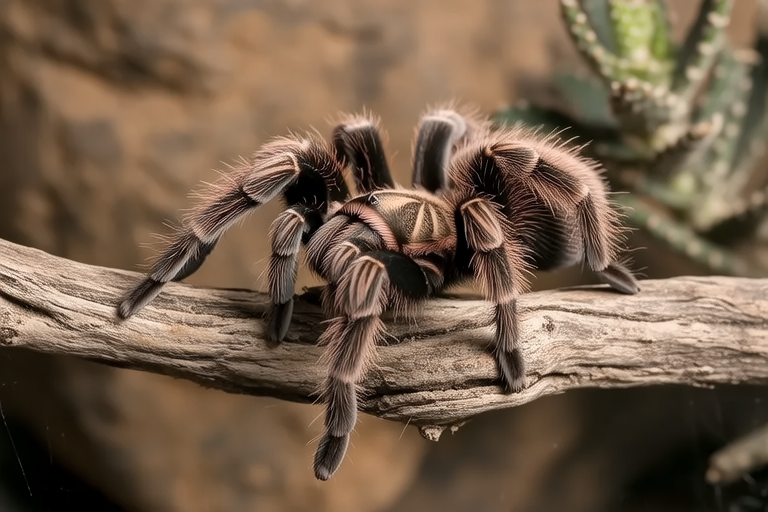
Adorable or Alien? The Surprising Truth About Keeping Tarantulas as Pets
Tarantulas have long been the subject of fascination and fear, often portrayed as dangerous creatures in movies and literature. However, the reality is far from this portrayal. These eight-legged wonders are not only fascinating but also make surprisingly low-maintenance and interesting pets. This article will delve into the world of tarantulas, dispelling common myths, discussing suitable species for pet ownership, their dietary needs, habitat requirements, and unique behaviors.
Dispelling Myths: Are Tarantulas Dangerous?
One of the most pervasive myths surrounding tarantulas is their extreme danger to humans. While it’s true that tarantulas can bite if provoked, these bites are rarely life-threatening. Their venom is generally less potent than that of a bee sting. In fact, many species of tarantulas found in the pet trade are docile and unlikely to bite unless severely threatened. Handling a tarantula requires gentle care and respect for its space, but with proper handling techniques, interactions can be safe and rewarding.
Choosing the Right Species for Your Pet
With over 900 species of tarantulas, there are numerous options available for potential pet owners. Some popular choices include:
- Baby Blue Tarantulas (Chilobrachys jingdongensis): Known for their striking blue coloration, these tarantulas are relatively small and easy to care for.
- Brown Recluse Tarantulas (Aphonopelma hentzi): These tarantulas are robust and adaptable, making them ideal for beginners.
- Red Rump Tarantulas (Brachypelma vagans): Another beginner-friendly option, these tarantulas are known for their docile nature and vibrant red markings.
Each species has its own set of care requirements, so it’s important to research thoroughly before bringing one home.
Dietary Needs
Tarantulas are carnivorous arachnids and require a diet rich in protein. In captivity, they typically eat insects such as crickets, mealworms, and waxworms. The size of the prey should match the size of the tarantula, ensuring that the prey can be easily consumed. Feeding frequency depends on the age and size of the tarantula, with younger tarantulas requiring more frequent meals.
Habitat Requirements
Creating an appropriate habitat is crucial for the health and well-being of your tarantula. A terrarium with a secure lid is essential to prevent escapes. The substrate should be deep enough for burrowing, typically around 3-4 inches of coconut fiber or similar material. Temperature and humidity levels must be carefully monitored; most tarantulas thrive in temperatures between 75-85°F (24-29°C) and relative humidity levels of 60-80%.
Providing hiding spots, such as cork bark or artificial caves, is important for creating a stress-free environment. Regular cleaning and maintenance of the enclosure are necessary to prevent mold growth and ensure the tarantula remains healthy.
Unique Behaviors and Interaction with Environment
Tarantulas exhibit a range of fascinating behaviors that make them intriguing pets. One of the most notable behaviors is molting, where the tarantula sheds its exoskeleton. During this process, the tarantula becomes extremely vulnerable and should be left undisturbed. Another behavior is urticating hairs, which some species use as a defense mechanism. When threatened, these tarantulas release tiny barbed hairs that can cause irritation to predators or handlers.
Observing a tarantula’s interaction with its environment can provide insight into its daily activities. They are nocturnal creatures, meaning they are most active during the night. Watching them hunt or simply moving around can be both educational and entertaining.
Tips for Handling and Bonding
Handling a tarantula requires patience and practice. Always use calm, deliberate movements when approaching your tarantula. It’s best to handle them gently by scooping them up with a soft brush or paper towel. Avoid touching the tarantula directly, as this can cause stress.
Bonding with your tarantula takes time and consistency. Regular interactions can help the tarantula become accustomed to your presence. Over time, you may notice subtle changes in behavior, such as increased activity or curiosity in your presence.
Conclusion
Tarantulas are far from the terrifying creatures often depicted in media. With proper care and understanding, they can make fascinating and rewarding pets. By choosing the right species, providing adequate nutrition and habitat, and learning about their unique behaviors, you can enjoy a fulfilling relationship with these captivating arachnids. Whether you’re a seasoned reptile enthusiast or a first-time pet owner, tarantulas offer a unique opportunity to connect with the natural world in a truly remarkable way.
