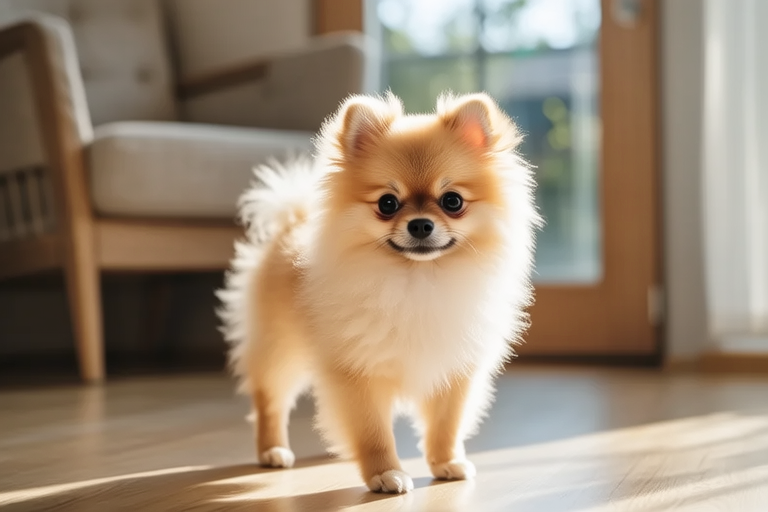
Pomeranian Parenting 101: Expert Advice for New Pet Owners
Welcome to the wonderful world of Pomeranian parenting! These charming, fluffy dogs have captured the hearts of many pet lovers around the globe. Known for their small size, big personalities, and striking appearance, Pomeranians are a favorite among families and individuals alike. Their vibrant energy and loyalty make them excellent companions. However, like any other breed, they come with specific needs that require attentive care. This guide will walk you through everything you need to know to ensure your Pomeranian lives a healthy, happy life.
Introduction: The Popularity and Unique Traits of Pomeranians
Pomeranians, originally bred as watchdogs, have evolved into delightful family pets. Their small stature (ranging from 3 to 7 pounds) and long, luxurious coats make them stand out. Despite their diminutive size, they possess a bold and confident demeanor, often referred to as ‘big dog syndrome.’ This characteristic can sometimes lead to challenges in training but also showcases their spirited nature. With proper guidance, Pomeranians can be loving, playful, and highly intelligent companions.
Essential Care Tips
Providing your Pomeranian with a safe and comfortable environment is paramount. Ensure your home is free from hazards such as toxic plants, small objects that could be swallowed, and slippery floors. Pomeranians thrive in a warm climate; they are sensitive to cold weather and may require a sweater or jacket during cooler months. Additionally, a cozy bed in a quiet corner of your home will provide them with a sense of security and comfort.
Dietary Needs
Feeding your Pomeranian a balanced diet is crucial for maintaining their health. High-quality commercial dog food formulated for small breeds is recommended. Look for ingredients like chicken, fish, or lamb as primary protein sources, along with vegetables and whole grains. Avoid foods containing fillers, artificial preservatives, and sugars. Fresh water should always be available. Consult with your veterinarian to determine the appropriate portion sizes based on your dog’s age, weight, and activity level. Remember, obesity can lead to serious health issues, so monitor your Pomeranian’s weight closely.
Exercise Routines
Despite their small size, Pomeranians require regular exercise to stay fit and healthy. Aim for at least 30 minutes of physical activity each day. Short walks, playtime in a secure yard, and interactive toys are great ways to keep your Pomeranian active. Mental stimulation is equally important; engage your pet in puzzle toys or obedience training sessions to keep their mind sharp. Be mindful of overexertion, especially in extreme weather conditions, as this can lead to exhaustion or heatstroke.
Grooming Requirements
A Pomeranian’s coat demands regular grooming to maintain its luster and prevent matting. Brush your Pomeranian’s fur daily with a slicker brush to remove loose hair and distribute natural oils. Bathe your pet every four to six weeks using a mild dog shampoo. Pay special attention to areas prone to matting, such as behind the ears and under the legs. Professional grooming every few months is advisable to keep their coat in top condition. Regular nail trimming and ear cleaning are also necessary to prevent infections and discomfort.
Training Techniques
Training is essential for a well-behaved Pomeranian. Start early and be consistent. Use positive reinforcement methods, rewarding good behavior with treats and praise. Basic commands like ‘sit,’ ‘stay,’ and ‘come’ should be taught first. Socialization is equally important; expose your Pomeranian to various environments, people, and other animals to build confidence and prevent fear-based aggression. Training sessions should be short (10-15 minutes) and fun to keep your pet engaged. Patience and consistency are key to successful training.
Common Health Issues
Like all breeds, Pomeranians are susceptible to certain health problems. Some common issues include patellar luxation (dislocation of the kneecap), hypothyroidism, and dental disease. Regular veterinary check-ups are vital for early detection and treatment of these conditions. Maintain a healthy weight and provide a balanced diet to reduce the risk of joint problems and metabolic disorders. Vaccinations and preventative medications against parasites are also crucial for your Pomeranian’s well-being.
Advice on Socializing Your Pomeranian
Socializing your Pomeranian from an early age is essential for their emotional development and behavior. Expose them to different environments, people, and animals in a controlled manner. Puppy classes are an excellent way to introduce your pet to other dogs and humans while learning basic obedience. Encourage gentle interactions with children and strangers to foster trust and friendliness. Positive experiences during socialization will help your Pomeranian become a well-adjusted and friendly companion.
Building a Strong Bond and Ensuring a Happy Life
The relationship between you and your Pomeranian is built on trust, love, and mutual respect. Spend quality time together each day through play, cuddling, and training. Learn to understand your pet’s body language and vocal cues to respond appropriately to their needs. Provide mental and physical stimulation to keep them engaged and prevent boredom-related behaviors. A strong bond will ensure a joyful and fulfilling life for both you and your Pomeranian.
In conclusion, raising a Pomeranian requires dedication, patience, and a deep understanding of their unique needs. By following these expert-backed tips, you’ll be well-equipped to provide your furry friend with a loving home and a long, healthy life. Embrace the journey of Pomeranian parenting with open arms and enjoy the countless moments of joy and companionship that await you.
