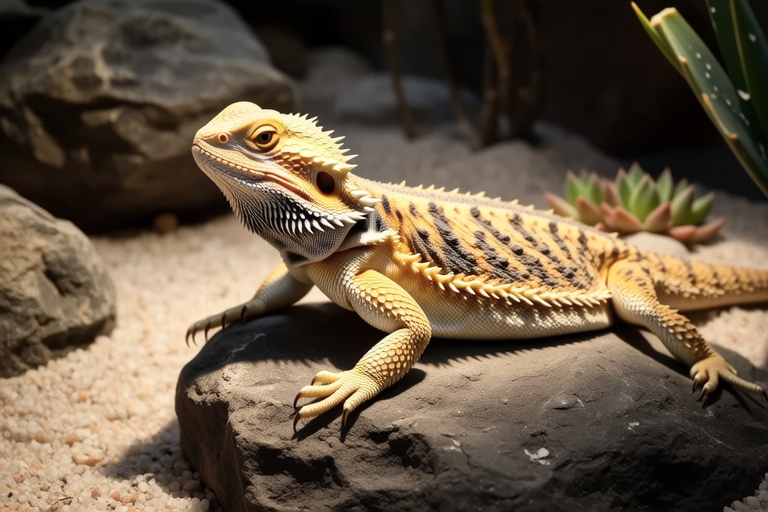
10 Shocking Bearded Dragon Myths Busted by Experts
Bearded dragons have captured the hearts of reptile lovers worldwide with their calm demeanor, expressive faces, and unique personalities. As their popularity grows, so does the flood of misinformation—some passed down through word of mouth, others spread by social media influencers or outdated pet care books. These myths can lead to serious health issues, shortened lifespans, and unnecessary stress for these remarkable creatures.
That’s why we’ve teamed up with certified reptile veterinarians, herpetologists, and experienced breeders to separate fact from fiction. In this article, we’re busting ten of the most dangerous and widespread bearded dragon myths using scientific evidence, expert insights, and practical care advice. Whether you’re a new owner or a seasoned enthusiast, understanding the truth behind these misconceptions is essential for providing the best possible life for your scaly companion.
1. Myth: Bearded Dragons Don’t Need UVB Lighting
The Myth: “My bearded dragon seems fine without UVB—it’s just a lizard.”
Why It’s False: This myth is one of the most harmful in the bearded dragon community. Without proper UVB lighting, bearded dragons cannot synthesize vitamin D3, which is crucial for calcium absorption. Over time, this leads to metabolic bone disease (MBD), a painful and often fatal condition characterized by soft, deformed bones, tremors, paralysis, and deformities in the jaw and limbs.
Dr. Lisa Marquez, a board-certified veterinarian specializing in exotic reptiles, explains: “UVB exposure isn’t optional—it’s non-negotiable. Bearded dragons are diurnal desert dwellers who evolved under intense sunlight. In captivity, they rely entirely on artificial UVB lighting to meet their biological needs.”
Practical Care Advice: Use a high-quality UVB bulb rated for bearded dragons (typically 10–12% output) and replace it every 12 months, even if it still appears to be working. Place the light within 12 inches of your dragon’s basking spot and ensure they have access to it for at least 10–12 hours per day. Never use heat lamps as a substitute for UVB.
2. Myth: You Can Feed Them Anything from the Garden
The Myth: “I found some fresh greens in my backyard—my bearded dragon will love them!”
Why It’s False: While bearded dragons do eat vegetables, not all plants are safe. Wild plants, especially those growing near roads or treated with pesticides, can be toxic. Even common garden weeds like dandelions (if not properly washed) may contain contaminants. Additionally, many plants contain oxalates or goitrogens that interfere with calcium absorption or thyroid function.
According to Dr. Raj Patel, a herpetologist at the National Reptile Research Institute, “Feeding wild-caught vegetation is like giving your dragon a surprise gift wrapped in poison. The risks far outweigh any benefit.”
Practical Care Advice: Stick to commercially available, pesticide-free greens like collard greens, mustard greens, and kale. Wash all produce thoroughly. Avoid spinach, Swiss chard, and beet greens due to high oxalate content. Always research any plant before introducing it to your dragon’s diet.
3. Myth: Bearded Dragons Are Low-Maintenance Pets
The Myth: “They don’t need much attention—they just sit in their tank and sleep.”
Why It’s False: Bearded dragons require daily interaction, environmental maintenance, and careful monitoring of temperature, humidity, and nutrition. Neglecting any of these elements can result in illness, behavioral problems, and reduced lifespan.
“These aren’t passive pets,” says Sarah Thompson, a veteran bearded dragon breeder and educator. “They’re intelligent, curious animals that thrive on routine and mental stimulation. Ignoring their needs leads to stress, which weakens their immune system and increases susceptibility to infections.”
Practical Care Advice: Spend at least 15–20 minutes daily handling your dragon (with gentle, calm movements). Clean the enclosure weekly, monitor temperatures twice daily, and offer a varied diet with gut-loaded insects and appropriate supplements. A well-cared-for bearded dragon can live 10–15 years—far longer than many assume.
4. Myth: They Can Live on a Diet of Only Insects
The Myth: “Bearded dragons are insect-eaters—just feed them crickets!”
Why It’s False: Juvenile bearded dragons do eat more insects, but adults require a balanced diet that’s roughly 80% vegetables and 20% insects. Relying solely on insects leads to obesity, nutritional imbalances, and digestive issues. Insects alone lack sufficient fiber and essential vitamins.
Dr. Elena Ruiz, a reptile nutritionist, emphasizes: “A diet of only crickets is like feeding a child only chicken nuggets. It’s convenient but disastrous for long-term health.”
Practical Care Advice: For adults, offer a variety of leafy greens, squash, and occasional fruits. Feed insects 2–3 times a week, dusted with calcium and vitamin D3 supplements. Monitor portion sizes—overfeeding insects is a common mistake.
5. Myth: Bearded Dragons Don’t Get Sick Easily
The Myth: “They’re tough lizards—I’ve never seen one sick.”
Why It’s False: Bearded dragons are susceptible to a wide range of health issues, including respiratory infections, impaction, parasites, and mite infestations. Many signs of illness are subtle—loss of appetite, lethargy, abnormal shedding, or changes in bowel movements—and can be overlooked until it’s too late.
“Just because your dragon looks healthy doesn’t mean it is,” warns Dr. Marquez. “Many diseases progress silently. Regular check-ups with a reptile-savvy vet are critical, especially during seasonal changes or after stress events like travel.”
Practical Care Advice: Schedule annual wellness exams with a qualified exotic animal veterinarian. Watch for warning signs such as wheezing, swollen joints, or refusal to eat. If your dragon shows any unusual behavior, don’t wait—seek professional help immediately.
6. Myth: You Should Keep Them in a Small Tank to Prevent Escaping
The Myth: “Smaller tanks keep them safe—they’ll never escape if they’re cramped.”
Why It’s False: Confining a bearded dragon to a small space is detrimental to its physical and mental health. These lizards are naturally active and territorial in the wild. A cramped habitat leads to stress, stunted growth, and behavioral issues like aggression or pacing.
Dr. Patel notes: “The minimum recommended enclosure size is 40 gallons for an adult, but larger is always better. A spacious, enriched environment promotes natural behaviors like climbing, exploring, and thermoregulating.”
Practical Care Advice: Choose a tank that allows for a proper temperature gradient (basking zone at 95–105°F, cool side at 75–85°F) and includes hides, branches, and climbing structures. Ensure there are no gaps or openings large enough for escape. A secure, spacious setup benefits both safety and wellbeing.
7. Myth: You Can Handle Them Anytime, Anywhere
The Myth: “They’re chill—let me pick them up right after I wake up.”
Why It’s False: Bearded dragons are sensitive to stress, especially when handled improperly or at the wrong time. Handling them immediately after waking up, during digestion, or when they’re stressed (e.g., after a move or loud noise) can cause regurgitation, dehydration, or fear-based aggression.
“Your dragon’s body clock matters,” says Sarah Thompson. “They’re diurnal—active during the day. Try to handle them during their peak activity hours, typically mid-morning to early afternoon, when they’re warm and alert.”
Practical Care Advice: Wait at least 30 minutes after feeding before handling. Avoid picking them up right after waking or during temperature fluctuations. Always support their body fully—never grab by the tail or legs. Gentle, consistent handling builds trust over time.
8. Myth: Their Beard Fluffing Means They’re Angry
The Myth: “If their beard puffs up, they’re mad—so I should back off.”
Why It’s False: While a darkened, fluffed beard can indicate aggression, it’s also a sign of stress, courtship, or even thermoregulation. Bearded dragons puff their beards to communicate a variety of emotions depending on context. A male might display his beard to attract a mate, while a stressed dragon might puff up to appear larger and intimidate a perceived threat.
“It’s not just about anger,” explains Dr. Ruiz. “Understanding the full picture—including body posture, eye shape, and environmental cues—is key. A puffed beard with flattened body and closed eyes suggests fear, not aggression.”
Practical Care Advice: Learn to read your dragon’s entire body language. Observe how they react in different situations. If your dragon puffs up and retreats, give them space. If they puff up and approach calmly, they may be curious or asserting dominance—not angry.
9. Myth: You Can Use Tap Water for Hydration
The Myth: “Tap water is fine—my dragon drinks from the bowl every day.”
Why It’s False: Tap water often contains chlorine, chloramines, and heavy metals that can harm bearded dragons over time. These chemicals can irritate their skin, disrupt their internal balance, and lead to kidney damage or dehydration.
Dr. Marquez advises: “Even if your dragon seems to drink tap water without issue today, long-term exposure can quietly erode their health. The risk isn’t worth it.”
Practical Care Advice: Use filtered, dechlorinated, or bottled water for drinking and misting. If you must use tap water, let it sit out for 24–48 hours to allow chlorine to evaporate. Always provide clean, fresh water daily in a shallow, stable dish.
10. Myth: Bearded Dragons Are Cold-Blooded So They Don’t Need Heat
The Myth: “They’re cold-blooded—they don’t need heat like mammals.”
Why It’s False: While bearded dragons are ectothermic (relying on external heat sources), they still require precise thermal regulation to digest food, regulate metabolism, and maintain immune function. Without proper heat, they become sluggish, stop eating, and are prone to illness.
“Cold-blooded doesn’t mean ‘no heat needed’—it means they need heat to survive,” clarifies Dr. Patel. “A bearded dragon kept below 75°F for extended periods will suffer irreversible health consequences.”
Practical Care Advice: Maintain a basking spot between 95–105°F and a cooler side around 75–85°F. Use a digital thermometer with a probe to verify temperatures. Avoid relying on ambient room temperature alone—use a reliable heat lamp or ceramic heater designed for reptiles.
Final Thoughts: Responsible Ownership Starts with Knowledge
Bearded dragons are not just trendy pets—they’re complex, intelligent animals with specific biological and psychological needs. Believing in myths can lead to unintentional neglect, suffering, and preventable deaths. By debunking these common misconceptions with expert-backed facts, we empower owners to make informed, compassionate choices.
Remember: a healthy, happy bearded dragon isn’t the result of luck—it’s the product of consistent, thoughtful care. Consult reputable sources like the Association of Reptilian and Amphibian Veterinarians (ARAV), peer-reviewed journals, or certified herpetological societies before making decisions about your pet’s care.
When in doubt, ask a veterinarian who specializes in reptiles. Your dragon depends on you to be vigilant, curious, and committed to learning. After all, the bond you build with your bearded dragon is based not just on affection—but on respect for their unique biology and needs.
Stay informed. Stay responsible. And above all, treat your bearded dragon like the extraordinary creature they truly are.
