Norwegian Forest Cats: The Secret Behind Their Lush Coats and Playful Souls
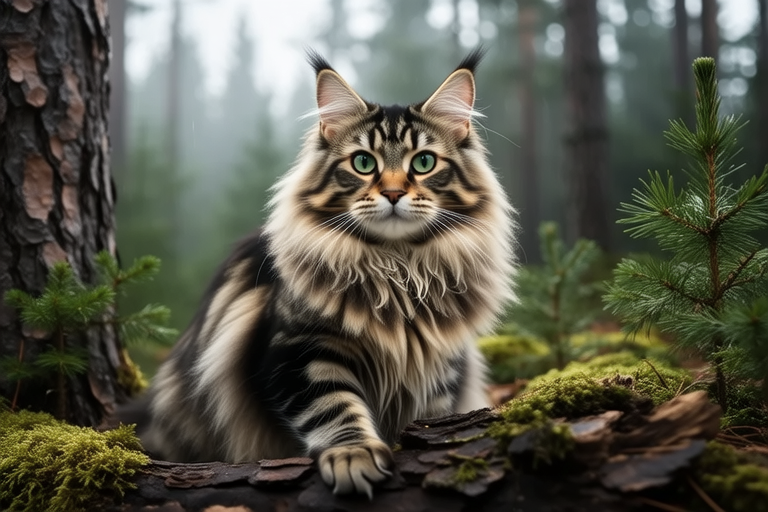
Imagine a feline with a coat so voluminous it seems to glow in the sunlight, eyes like polished amber reflecting curiosity and warmth, and a presence that fills a room with quiet charm. This is the Norwegian Forest Cat—a majestic creature whose striking appearance belies a surprisingly playful and affectionate soul. With their wild elegance and gentle demeanor, these cats are more than just eye-catching; they’re living testaments to nature’s resilience and companionship at its finest.
But beyond their breathtaking looks lies a story of survival, adaptation, and deep-rooted connection with humans. From ancient Norse legends to modern-day homes, Norwegian Forest Cats have evolved not only to thrive in harsh Scandinavian winters but also to become cherished family members. In this article, we’ll explore the secrets behind their lush coats, uncover the intelligence and spirit that make them such delightful companions, and guide you through everything you need to know before welcoming one into your life.
A Journey Through Time: The Origins and History of Norwegian Forest Cats
The Norwegian Forest Cat, or *Norsk Skogkatt*, traces its roots back thousands of years—long before the breed was formally recognized. Ancient cave drawings and archaeological findings suggest that long-haired cats roamed Norway’s forests as early as 5000 BCE, possibly accompanying early human settlers who needed animal allies for pest control and warmth.
These cats were not domesticated in the way we understand today; rather, they were self-domesticating. They adapted to Norway’s rugged terrain and freezing temperatures, evolving naturally over generations. As Viking ships sailed across the North Sea, some speculate that forest cats may have stowed away, contributing to the breed’s development across Northern Europe.
Throughout history, Norwegian Forest Cats were considered guardians of the home and even held a mystical place in Norse folklore. Some tales speak of them as protectors of sacred places, while others describe them as companions to forest spirits. Though these stories are steeped in myth, they reflect the deep respect Norwegians have always had for these resilient cats.
By the 19th century, the breed began to decline due to crossbreeding and shifting lifestyles. However, dedicated preservationists in Norway took action in the mid-20th century, working to restore the breed’s purity. Their efforts led to the establishment of formal breeding standards and recognition by international cat associations, including the Fédération Internationale Féline (FIFe) and the Cat Fanciers’ Association (CFA).
Today, the Norwegian Forest Cat stands as a symbol of Norway’s natural heritage—a living bridge between ancient wilderness and modern companionship.
The Marvel of Their Coat: Structure, Function, and Care
One cannot help but be captivated by the Norwegian Forest Cat’s luxurious coat. It’s not merely decorative—it’s a marvel of evolutionary engineering. Their thick, water-resistant double coat is the key to surviving sub-zero temperatures and icy storms.
The outer layer consists of long, coarse guard hairs that repel snow and moisture. These hairs are slightly wavy and stand out from the body, giving the cat a full, fluffy appearance. Beneath this protective layer lies a dense undercoat made of soft, downy fur that traps heat and insulates against cold air.
This dual-layer system works like a high-performance jacket. When it rains or snows, the outer guard hairs shed water, while the undercoat remains dry and warm. Even when drenched, the cat’s core temperature stays stable—a crucial advantage in environments where winter lasts for months.
Despite their impressive natural defenses, Norwegian Forest Cats require regular grooming to maintain their coat’s health and prevent matting. While they don’t shed excessively like some breeds, their long fur can tangle, especially around the tail, chest, and legs—areas prone to dirt and debris.
Experts recommend brushing your Norwegian Forest Cat at least two to three times a week. During shedding seasons (typically spring and fall), daily brushing helps remove loose hair and reduces the risk of hairballs. A slicker brush and a metal comb are ideal tools, allowing you to gently work through knots without pulling or damaging the coat.
Interestingly, many owners report that their cats enjoy grooming sessions—some even purr contentedly as their fur is brushed. This suggests a deep sense of trust and bonding, which makes routine care not just practical but a moment of shared intimacy.
Beyond the Fluff: A Playful, Intelligent, and Affectionate Spirit
While the coat commands attention, it’s the personality that truly wins hearts. Norwegian Forest Cats are known for their balanced mix of independence and affection—like a furry philosopher who values both solitude and connection.
They are highly intelligent animals. You’ll often find them solving puzzles, opening cabinet doors, or figuring out how to reach treats on high shelves. One owner recounts how her cat learned to open the kitchen cupboard by pushing the door handle with his paw—after watching her do it just once.
Playfulness is another hallmark. These cats love interactive toys, feather wands, and even simple games like chasing a laser dot. Unlike some breeds that tire quickly, Norwegian Forest Cats often play for extended periods, showing remarkable stamina and focus. Many enjoy climbing structures or window perches where they can survey their domain like a small, furry monarch.
Yet beneath the playful exterior lies deep emotional sensitivity. Norwegian Forest Cats form strong bonds with their families. They often follow their favorite person from room to room, greet them at the door, and even “help” with household tasks—like bringing a sock to their owner after a laundry run (a habit some claim is a remnant of their instinct to bring prey).
They’re also known for their quiet, melodic meows—often described as soft and musical. Unlike loud, demanding cries, their vocalizations are expressive and purposeful, used to communicate needs, seek attention, or simply share their thoughts.
For those seeking a cat that’s both dignified and engaging, the Norwegian Forest Cat strikes the perfect balance. They aren’t clingy in an overwhelming way, nor are they aloof. Instead, they offer thoughtful companionship—present when you want them, independent when you don’t.
Social Needs and Compatibility: Building a Harmonious Home
While Norwegian Forest Cats are affectionate, they are not typically suited to being the sole pet in a home. They thrive in environments where they can interact with people and other animals.
These cats enjoy having company—whether it’s a fellow feline, a dog, or even a curious rabbit. When introduced properly, they often form close friendships with other pets. Their calm temperament and lack of aggression make them excellent candidates for multi-pet households.
However, introductions should be gradual. Allow new animals time to get accustomed to each other’s scent and presence through closed doors before face-to-face meetings. Supervision during initial interactions ensures a smooth transition and prevents stress-related behaviors.
Children also benefit from the presence of a Norwegian Forest Cat. Their patient and gentle nature makes them ideal companions for older kids and teens. They tolerate gentle handling well and often participate in family activities—whether lounging beside a child doing homework or joining in on game night.
That said, young children should be taught to respect the cat’s space and boundaries. Like all cats, Norwegian Forest Cats appreciate quiet moments and personal time. Respecting these needs strengthens trust and leads to a deeper bond.
For busy professionals or those living alone, the Norwegian Forest Cat can be a rewarding companion—but consider adopting a pair if possible. Two cats often keep each other entertained and reduce feelings of loneliness, especially during long workdays.
Choosing a Reputable Breeder: Your First Step Toward a Happy Cat
If you’re ready to welcome a Norwegian Forest Cat into your life, choosing a responsible breeder is essential. Not all breeders prioritize health, temperament, or ethical practices—and unfortunately, some still operate under questionable conditions.
Look for breeders who are members of recognized cat associations, such as the Norwegian Forest Cat Club or national cat fanciers’ groups. These organizations often enforce strict guidelines regarding kitten health, genetic testing, and socialization.
A reputable breeder will:
- Allow you to visit the cattery and meet the parents.
- Provide health records, including screenings for common genetic conditions like hypertrophic cardiomyopathy (HCM).
- Ensure kittens are well-socialized, exposed to sounds, people, and different environments.
- Offer support and guidance after adoption, including advice on diet, grooming, and behavior.
Be cautious of breeders who advertise online with no photos, refuse visits, or seem overly eager to sell. A healthy, happy kitten should come from a clean, caring environment and show signs of confidence and curiosity.
Also, remember that Norwegian Forest Cats are not cheap—they often cost between $800 and $1,500 depending on lineage and location. But this investment reflects the quality of care, genetics, and commitment to preserving the breed’s integrity.
Maintaining Health and Happiness: A Lifelong Commitment
With proper care, Norwegian Forest Cats can live 12 to 16 years—or even longer with exceptional health. To ensure your cat lives a long, joyful life, focus on four pillars: nutrition, activity, veterinary care, and mental stimulation.
Nutrition: Feed a high-quality, species-appropriate diet rich in animal protein. Avoid fillers and artificial additives. Consult your veterinarian about portion sizes and feeding schedules based on age, weight, and activity level.
Activity: Provide vertical spaces like cat trees, window perches, and climbing towers. These cats love to explore and observe from elevated spots. Interactive toys and puzzle feeders keep their minds sharp and prevent boredom-induced mischief.
Veterinary Care: Schedule annual check-ups, vaccinations, and dental care. Early detection of issues like HCM or urinary tract problems can save lives. Keep up with flea, tick, and worm prevention, especially if your cat goes outdoors occasionally.
Mental Stimulation: Norwegian Forest Cats are naturally curious. Rotate toys regularly, introduce new scents, and engage in training sessions using positive reinforcement. Teaching tricks like “sit,” “come,” or even “high five” strengthens the human-cat bond and keeps their minds active.
Lastly, create a safe, enriching environment. If your cat enjoys the outdoors, consider a secure catio or harness training. This allows them to experience fresh air and natural stimuli without the risks of traffic, predators, or getting lost.
Final Thoughts: Embracing a Living Legend
The Norwegian Forest Cat is more than a beautiful pet—it’s a piece of living history, a testament to nature’s ingenuity, and a source of enduring companionship. Their thick, weatherproof coat is not just a feature; it’s a legacy of survival. Their playful yet thoughtful nature reminds us that intelligence and affection can coexist in the most elegant package.
For anyone seeking a cat that combines grace with heart, strength with tenderness, the Norwegian Forest Cat offers something rare: a true soulmate from the wilds of Scandinavia, now nestled comfortably in your home.
Whether you’re drawn to their regal appearance, intrigued by their fascinating past, or simply enchanted by their gentle gaze, one thing is certain—bringing a Norwegian Forest Cat into your life is not just about adding a pet. It’s about welcoming a loyal friend, a curious explorer, and a quiet guardian of warmth and joy.
So if you’re ready to embrace the secret behind their lush coats and playful souls, take the leap. With love, patience, and a little grooming, you’ll discover a companion unlike any other—one who will quietly remind you of the magic that exists in the everyday moments of life.
