Unraveling the Mystery Behind Leopard Gecko Behavior Patterns
Leopard geckos, scientifically known as Eublepharis macularius, are one of the most popular pet reptiles due to their docile nature, ease of care, and vibrant appearance. These small lizards are native to the arid regions of Pakistan, Afghanistan, and parts of Iran and India. Their unique characteristics, including their ability to vocalize and their distinct coloration, have made them a favorite among reptile enthusiasts.
Unique Characteristics of Leopard Geckos
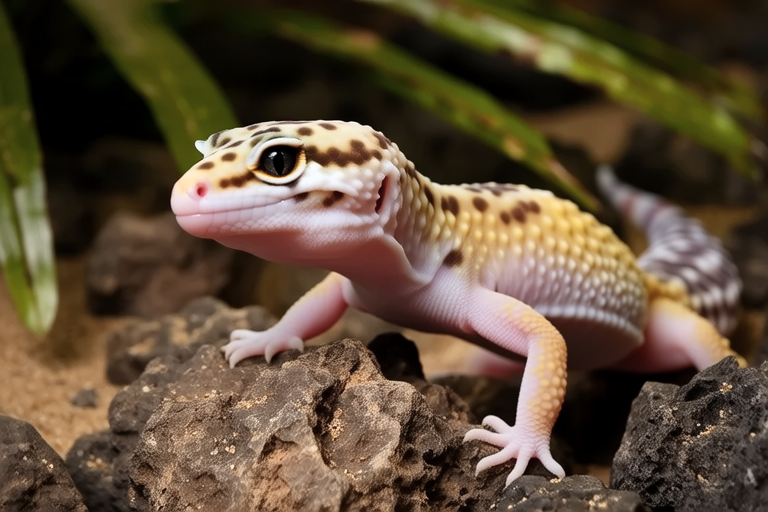
Leopard geckos possess several unique features that set them apart from other reptiles. One of their most striking features is their skin, which is covered in small, round spots resembling those of a leopard, hence their name. These geckos also have eyelids, unlike many other lizard species, allowing them to blink and sleep with their eyes closed. Another fascinating trait is their ability to vocalize; they can produce chirping sounds, especially during breeding season or when stressed.
Natural Habitat and Its Influence on Behavior
The natural habitat of leopard geckos plays a significant role in shaping their behavior. Native to the arid regions of central Asia, these geckos are well-adapted to desert environments. They prefer areas with rocky outcrops, sandy soil, and sparse vegetation. The climate in these regions is typically hot during the day and cool at night, with temperatures ranging from 80°F to 95°F (27°C to 35°C) during the day and dropping to around 65°F to 75°F (18°C to 24°C) at night.
In the wild, leopard geckos are primarily nocturnal, meaning they are most active during the night. This behavior is an adaptation to avoid the extreme heat of the day and to hunt for prey more effectively under the cover of darkness. As a result, in captivity, leopard geckos tend to be more active during the evening and nighttime hours, making them ideal pets for individuals who enjoy observing their pets during these times.
Common Behaviors: Feeding Habits and Nocturnal Activities
Leopard geckos are insectivores, feeding mainly on insects such as crickets, mealworms, and waxworms. In the wild, they hunt for food using their keen sense of smell and hearing. Owners should provide a varied diet to ensure their gecko receives all necessary nutrients. It’s important to gut-load feeder insects with nutritious foods before offering them to the gecko. Additionally, calcium and vitamin D3 supplements should be dusted onto the insects to prevent metabolic bone disease.
As mentioned earlier, leopard geckos are nocturnal animals. During the day, they will often hide in dark, secure places like caves or under rocks. At night, they emerge to search for food and explore their surroundings. Owners should mimic this natural cycle by providing a day-night light cycle in their gecko’s enclosure. A 12-hour light cycle is generally recommended, with a gradual dimming of lights to simulate dusk and dawn.
Social Interactions and Communication
Leopard geckos are solitary creatures by nature, and while they can coexist peacefully in the same enclosure, they should not be housed together. Aggression can occur if there is competition for resources such as food, hiding spots, or basking areas. If housing multiple geckos, it is crucial to provide ample space and resources to minimize stress and potential conflicts.
Communication between leopard geckos is mostly non-verbal. They use various forms of body language and signals to interact with each other and convey messages to their owners. For example, a relaxed gecko will often sit still with its tail curled up next to its body. Conversely, if a gecko feels threatened, it may flatten its body against the ground and puff up its head to appear larger. Another defensive posture involves opening its mouth wide and hissing. Understanding these signals can help owners interpret their gecko’s mood and respond appropriately.
Tips for Owners to Understand and Respond to Their Gecko’s Needs
Owners can foster a strong bond with their leopard geckos by understanding and responding to their needs. Regular handling can help geckos become accustomed to human interaction, but it’s essential to handle them gently and frequently to prevent stress. When picking up your gecko, always support its body and avoid grabbing it by the tail, as it can detach as a defense mechanism.
Maintaining a clean and stimulating environment is also crucial for the well-being of your gecko. Regular cleaning of the enclosure and providing enrichment through toys and climbing structures can help keep your gecko mentally and physically engaged. Owners should also monitor their gecko’s health closely, looking for signs of illness such as loss of appetite, lethargy, or changes in stool consistency. Prompt veterinary care can address any issues early and prevent more severe problems.
The Importance of Creating a Suitable Environment
Creating a suitable environment for leopard geckos is vital for their physical and mental health. The enclosure should provide enough space for the gecko to move around freely, with dimensions of at least 10 gallons per adult gecko. Proper substrate is essential, with options like paper towels, reptile carpet, or eco-friendly bedding being preferable to sand or gravel, which can cause impaction if ingested.
Temperature gradients within the enclosure are also crucial. Leopard geckos need a warm side, where they can bask at around 90°F (32°C), and a cooler side, where they can retreat to temperatures closer to 75°F (24°C). Achieving this gradient can be done using heat mats, ceramic heat emitters, or under-tank heating pads. Humidity levels should be maintained between 30% and 40%, with occasional misting to prevent dehydration.
Providing appropriate hiding spots, climbing structures, and decorations can enrich the gecko’s environment and encourage natural behaviors. These elements can include caves, cork bark, and live or artificial plants. Owners should also ensure the enclosure has adequate ventilation to prevent the buildup of harmful bacteria and mold.
In conclusion, understanding and respecting the natural behavior patterns of leopard geckos is key to providing them with a happy and healthy life. By mimicking their natural environment and meeting their specific needs, owners can create a fulfilling home for these fascinating creatures. Whether you’re a first-time reptile owner or a seasoned herpetologist, taking the time to learn about and appreciate the unique behaviors of leopard geckos will enhance your experience and deepen your connection with these remarkable pets.
